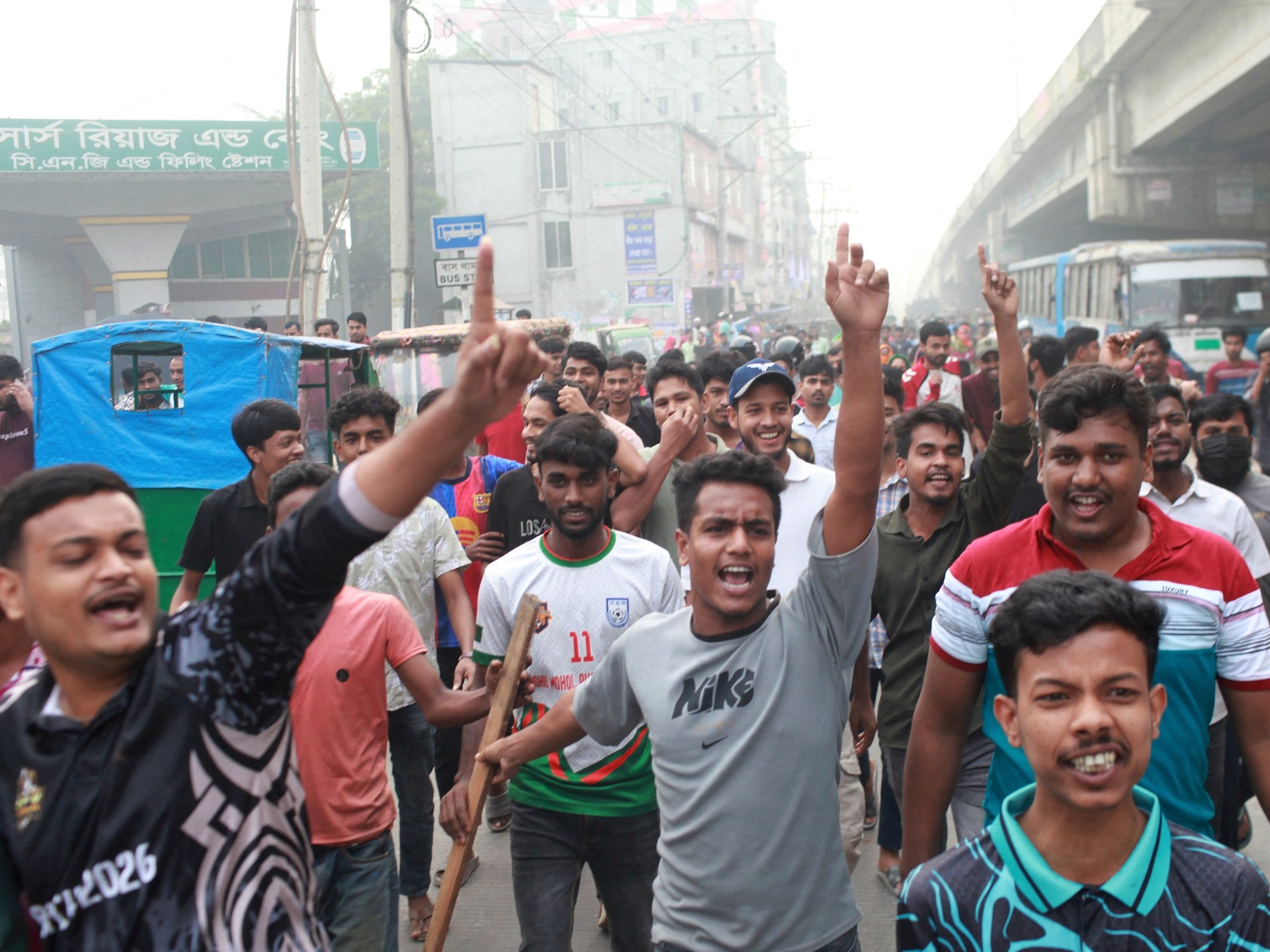
In a tense escalation of ongoing labor disputes in Bangladesh, garment workers took to the streets on Tuesday, blocking the main highway between Dhaka and Mymensingh and engaging in violent clashes with police. The unrest stems from a postponement of a key wage board meeting that was scheduled to discuss potential pay increases for the country's four million-plus garment workers.
Bangladesh, the world's second-largest garment exporter after China, has seen growing worker discontent over wages in recent weeks, with factories shutting down and production being disrupted as a result. Workers are demanding a minimum monthly wage of 30,000 taka ($240), representing a significant increase from the current 12,500 taka, as they struggle to cope with increasing costs in food, housing, transport, and healthcare.
As the wage board, consisting of representatives from employers and workers, was established by the government earlier this month to negotiate a pay rise, the new minimum wage is expected to be announced in December and come into effect in January 2023. However, some workers fear their demands may not be adequately addressed in the revised wage proposal, as they worry that their concerns are not being fully understood by board members.
In response to Tuesday's protests, the Border Guard Bangladesh (BGB) has increased patrols and deployed hundreds of personnel across the industrial zone, utilizing technology such as drones and body-worn cameras to monitor demonstrations closely. The Bangladesh Garment Manufacturers and Exporters Association (BGMEA) and the Bangladesh Knitwear Manufacturers and Exporters Association (BKMEA) have called for a resumption of wage negotiations at the earliest possible opportunity, with a scheduled meeting postponed due to illness among board members.
In light of these developments, it remains to be seen whether Bangladeshi garment workers will see the pay increases they are demanding and whether tensions in the industry can be resolved before further disruptions occur. The ongoing unrest underscores the need for continuous dialogue between employers and workers and raises questions about the long-term sustainability of the country's garment sector, which generates $38 billion annually.