On Tuesday morning, Japan reported two suspected Russian aircraft had violated its airspace near the Okinoshima island, prompting a strong response from the Japanese government. The incident marks the latest in a series of alleged airspace incursions by Russian military aircraft, with South Korea and Taiwan also reporting similar incidents near their territories earlier in the day. These events occurred within the unofficial buffer areas known as air defence identification zones, used for security purposes but not legally required for foreign military aircraft to notify governments before entering.
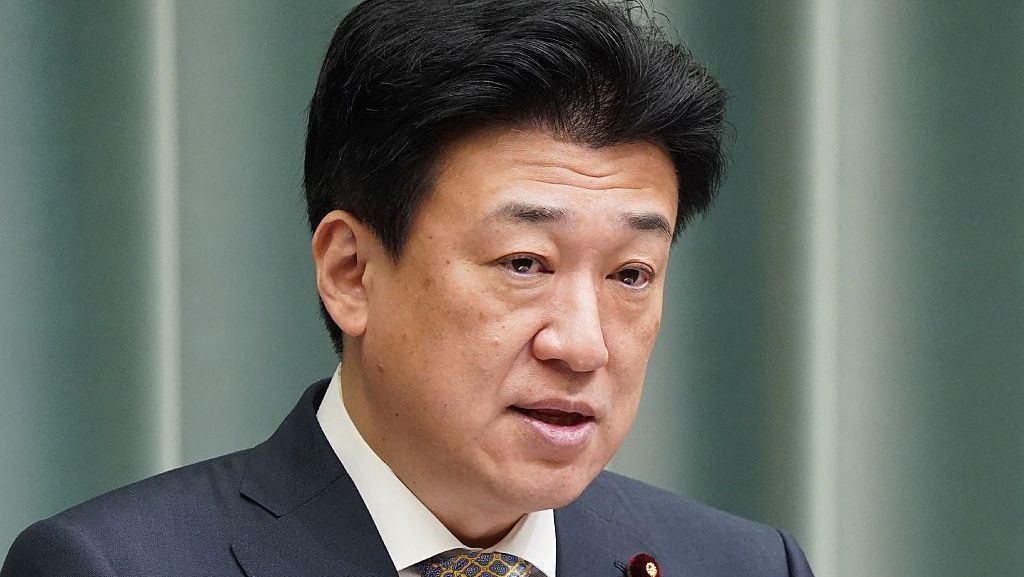
The alleged incursions come just days before the APEC economic summit in China, where both Russian President Vladimir Putin and U.S. President Donald Trump are scheduled to attend. Japan's Chief Cabinet Secretary, Minoru Kihara, described the flight paths of the Russian aircraft as a "serious infringement of Japan's sovereignty" and "completely unacceptable." The last such incursion occurred in 2024, when a Russian military patrol plane entered Japanese airspace off Rebun island, Hokkaido. Taiwan reported that it responded accordingly after two Russian military aircraft entered its air defence identification zone, while South Korea sent up jets after an unspecified number of Russian aircraft entered its air defence identification zone over the Sea of Japan.
The East China Sea contains self-declared, overlapping air defence identification zones between China, Taiwan, Japan, and South Korea. Despite these tensions, it is not clear if the three neighbours were responding to the same or different aircraft. The escalating tension between Japan and Russia, locked in a decades-old territorial dispute over a cluster of islands in the Pacific Ocean, has been on the rise for months. In August, Putin paid his first visit to one of these islands, prompting a sharp rebuke from Japanese Prime Minister Sanae Takaichi. In October, Russia detained a Japanese journalist on spying allegations.
This incident serves as a reminder of the ongoing geopolitical tensions in the region, as world leaders gather for the APEC summit this week. Both Japan and South Korea have yet to receive an official comment from Moscow regarding these alleged airspace violations. The situation remains fluid, with potential implications for regional stability and international diplomacy.