In a bid to address the education crisis in West Africa, the BBC World Service has launched Dars Hausa, an educational program aimed at providing English, math, and science lessons to children across the region. This initiative comes as millions of Nigerian children are deprived of their right to education due to factors such as kidnapping, child marriage, and poverty. The program targets out-of-school children in northern Nigeria, as well as neighboring countries like Niger, Cameroon, and others, utilizing social media, local television partnerships, and radio broadcasts. According to the charity Save the Children, nearly half of households in Nigeria have a radio, making it an effective medium for reaching these underserved communities.
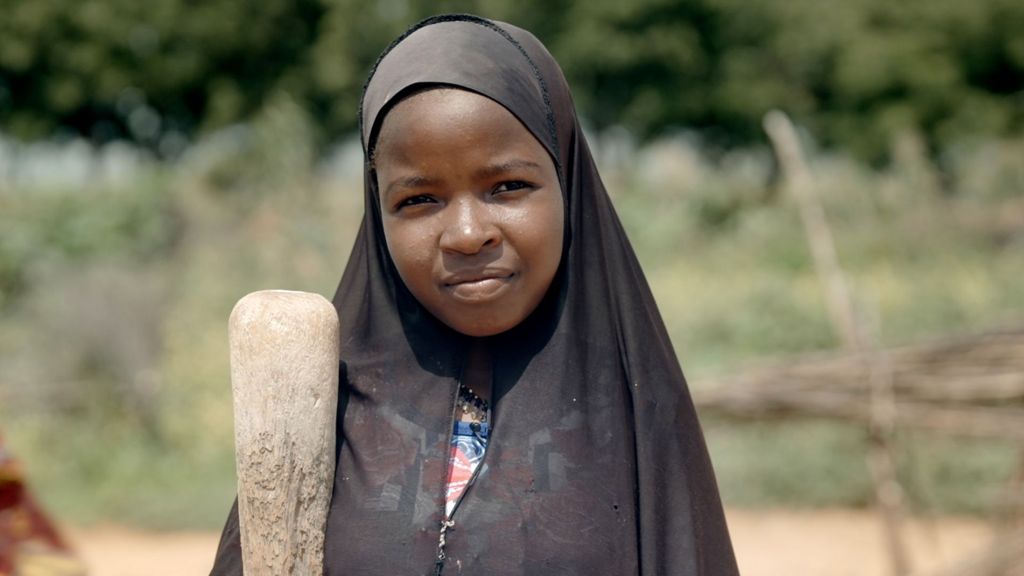
One of the children benefiting from this program is Hadiza, a 15-year-old girl who was forced out of school due to a raid by armed men two years ago. Following the attack, Hadiza found herself in a displaced persons camp in Goronyo, where she briefly attended school but was eventually married at the age of 13. This early marriage is a common practice in her community, one that ends a girl's education. Hadiza now lives with her in-laws and helps run the household. Despite Nigerian law prohibiting marriage under the age of 18, enforcement is not always consistent.
Another child living in the Goronyo displacement camp is Rukayya, a 12-year-old girl who spends her days gathering firewood to sell and begging so that her siblings can eat. Rukayya's father was killed by bandits about a year ago, forcing her family to flee their home to the camp. She and Hadiza are part of the 670,000 people in north-west and central Nigeria who have been displaced due to armed robbery and kidnappings, according to the International Organization for Migration.
The school that Hadiza once attended in Goronyo is the only one serving children in the camp and typically has about 50 students per class. Despite lessons being free, attendance remains low due to parents needing their children to earn money. The school also faces a shortage of teachers and classrooms, with funding often coming from individuals or organizations rather than the government. Additionally, bandit attacks have disrupted education in some areas, causing parents to withdraw their children for fear of violence.
The Nigerian government aims to provide nine years of free, compulsory education to every child, but many schools face shortages and poorer families struggle to afford uniforms, books, and transport. This crisis has been decades in the making, with successive governments struggling to address chronic underfunding and poor resource management. Furthermore, children in the traditional Almajiri system, which provides Islamic education, often lack access to subjects like math and science, and are considered out of school by Unicef.
The Nigerian Minister of State for Education, Prof Suwaiba Sa'id, believes that the number of children out of school is lower than reported, but acknowledges that Nigeria's growing population necessitates proper investment and oversight in education. Initiatives like Lumina, which aims to support one million girls by 2030, are designed to help address these issues and bring education to those who have been denied it for far too long.