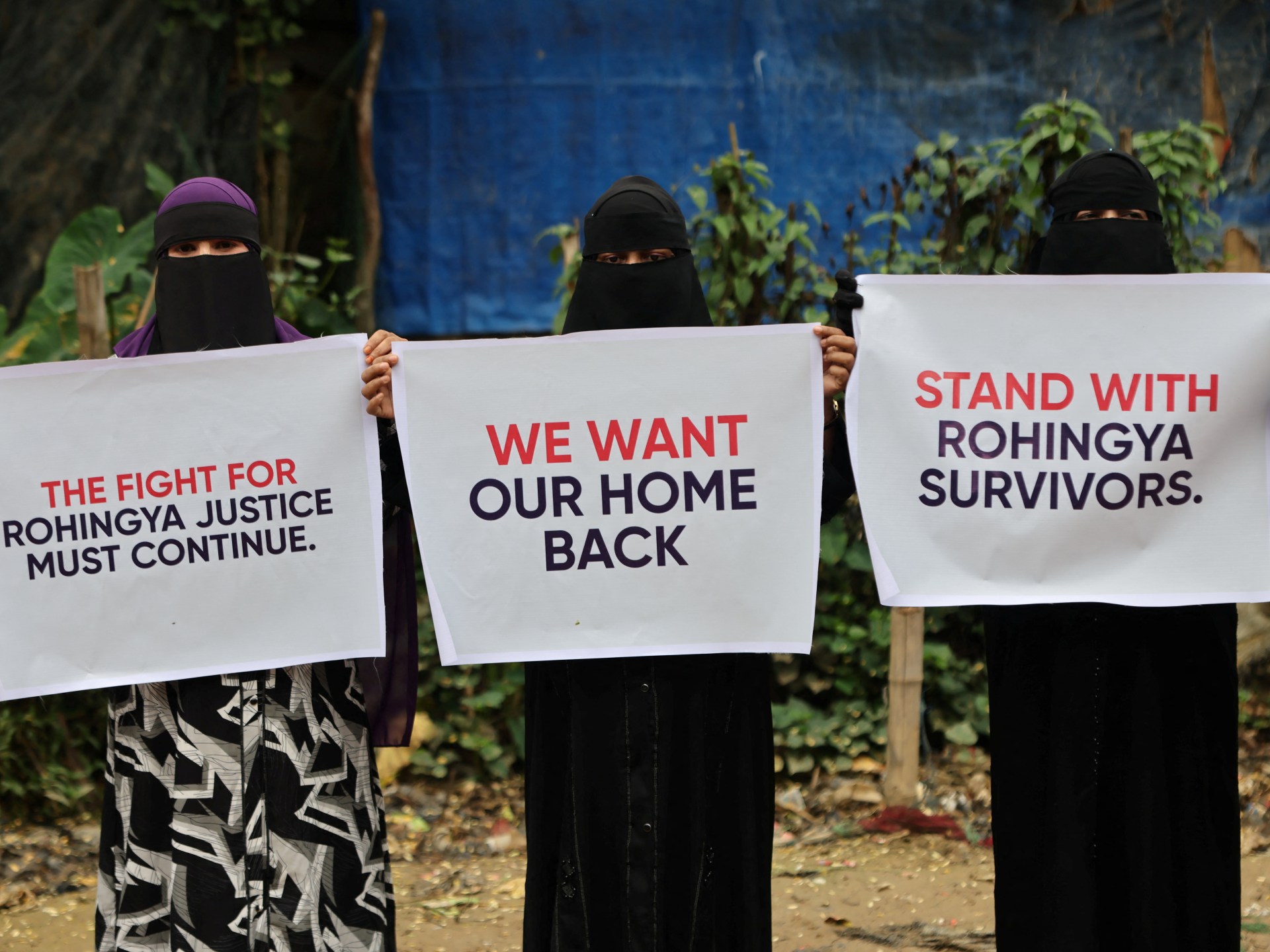
In a landmark ruling, the International Court of Justice (ICJ) has found that Myanmar has committed genocide against the Rohingya minority ethnic group. The decision, delivered after seven years of deliberations and read out over three hours by ICJ President Yuji Iwasawa on Thursday, marks the first time in the history of the World Court that a state has been declared guilty of genocide. Nine out of the 15-judge panel voted in favor of the ruling, which also includes a landmark reparations order against Myanmar for decades of persecution of the mostly Muslim group. The case was brought by The Gambia in 2019, following years of persecution that culminated in a military offensive in 2017, forcing about 750,000 Rohingya from their homes and lands into squalid refugee camps, primarily in neighboring Bangladesh. Thousands were killed in the early stages of the military operation, with thousands more dying in shipwrecks as they fled on perilous boat trips across the Bay of Bengal. The ruling details widespread sexual violence, extreme violence against children, and acts aimed at preventing birth among the Rohingya community. Myanmar is now ordered to cease all acts of violence, investigate those responsible, prosecute and punish the guilty, and provide guarantees that such actions will not recur. The ICJ also ruled that Myanmar must institute restitution and reparations, including facilitating the safe return of Rohingya refugees, returning or replacing damaged collective property, and ensuring proper burials for the disappeared. This ruling is significant as it paves the way for individual accountability of perpetrators and architects of the genocide.
The International Court of Justice (ICJ) has ruled that Myanmar has committed genocide against the Rohingya minority ethnic group, marking a historic first for the World Court. Nine out of the 15-judge panel found Myanmar guilty of widespread sexual violence, extreme violence against children, and acts aimed at preventing birth among the Rohingya community. The ruling also includes a landmark reparations order against Myanmar for decades of persecution of the mostly Muslim group. Myanmar is now required to cease all acts of violence, investigate those responsible, prosecute and punish the guilty, and provide guarantees that such actions will not recur. The ICJ also ordered Myanmar to institute restitution and reparations, including facilitating the safe return of Rohingya refugees, returning or replacing damaged collective property, and ensuring proper burials for the disappeared. This ruling sets a precedent for individual accountability of perpetrators and architects of the genocide.
The International Court of Justice (ICJ) has ruled that Myanmar has committed genocide against the Rohingya minority ethnic group, marking a significant step towards accountability for the atrocities committed against them. The ruling details widespread sexual violence, extreme violence against children, and acts aimed at preventing birth among the Rohingya community. The ICJ ordered Myanmar to cease all acts of violence, investigate those responsible, prosecute and punish the guilty, and provide guarantees that such actions will not recur. The court also ruled that Myanmar must institute restitution and reparations, including facilitating the safe return of Rohingya refugees, returning or replacing damaged collective property, and ensuring proper burials for the disappeared. This ruling provides much-needed momentum to efforts to hold the perpetrators and architects of the genocide individually criminally accountable.