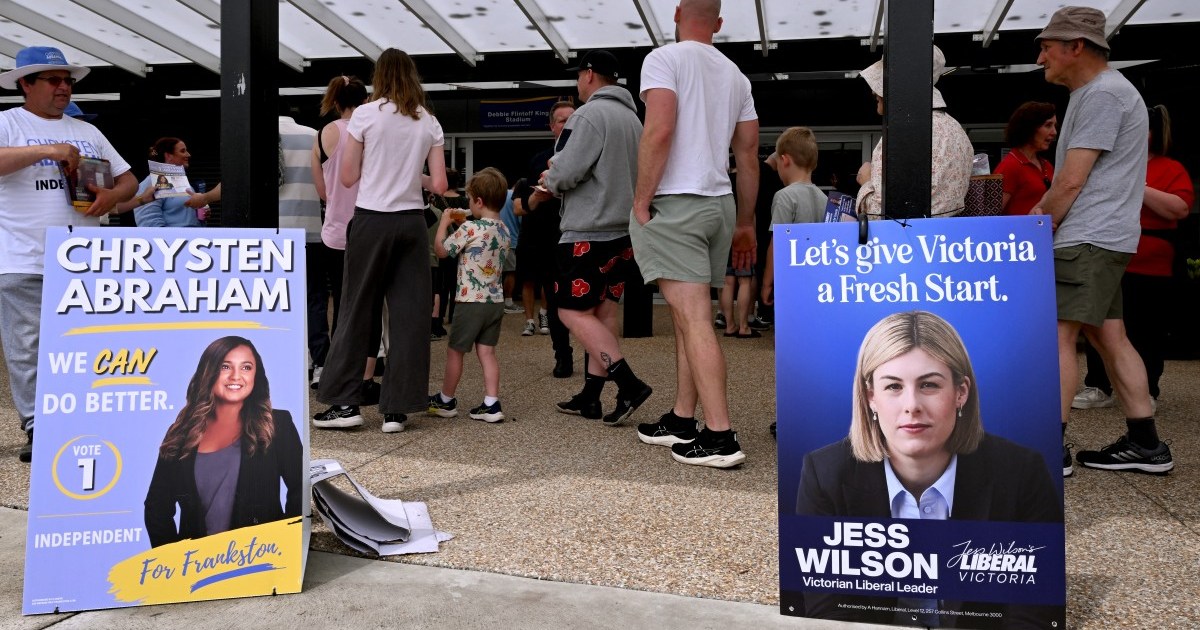
In a significant political shift, the conservative Liberal-National coalition has emerged victorious in Australia's southeastern Victoria state election, marking the end of 12 years of Labor government. According to projections by the Australian Broadcasting Corporation (ABC), the opposition party has secured a parliamentary majority with at least 49 seats in the 88-member lower house, as 57.5 percent of votes have been counted post the Saturday election. The Greens have managed to secure six seats, while Labor has only three, with 30 seats still undecided. Outgoing Premier Ben Carroll conceded defeat after losing his seat of Niddrie in Melbourne, accepting full responsibility for the election result that ended Labor's rule in Victoria, a traditional stronghold.
The newly elected Liberal leader Jess Wilson, at 36 years old, is set to become Victoria's youngest premier and the first woman to hold the position. During her campaign, Wilson focused on tackling crime, improving roads, reducing state debt, and partially privatizing Melbourne's sewerage network. Her government faces significant challenges, with rebuilding Victoria likely to take several years. The coalition last won an election in Victoria in 2010 but governed for only four years before Labor regained power.
The election result is a setback for Prime Minister Anthony Albanese, whose federal Labor government secured a second term in May 2025. The defeat in Victoria follows months of political turmoil within the state government, including a royal commission into allegations of criminal activity and corruption involving major infrastructure projects. Economic pressures have intensified nationally, with the Reserve Bank of Australia raising its benchmark interest rate by 25 basis points to 4.85 percent amid persistent inflation and economic uncertainty.
The election also highlighted growing support for Pauline Hanson's far-right, anti-immigration One Nation party, particularly outside Melbourne. The party fielded candidates in all 88 lower-house constituencies, compared with just five in the 2022 state election. Preliminary figures suggest One Nation attracted 32.3 percent of first-preference votes in regional Victoria, compared with 15.7 percent in metropolitan areas. Despite this surge in support, the party has yet to secure a lower-house seat in ABC's latest projections. The final composition of the state parliament is yet to be determined as counting continues.