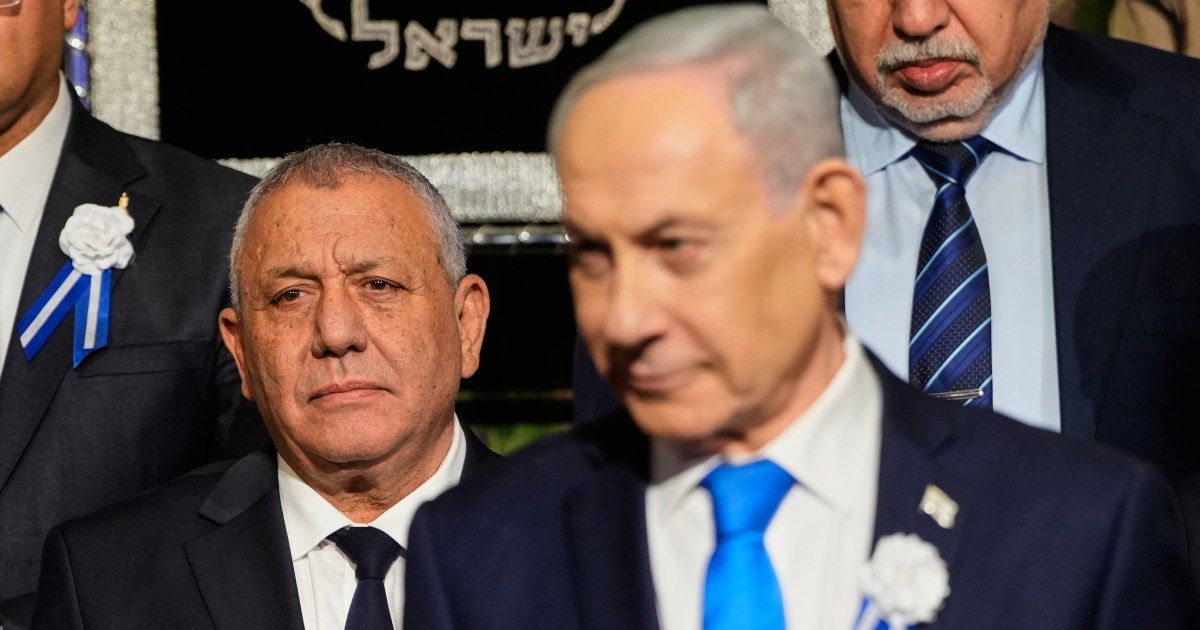
In a significant political development, Israel's caretaker Prime Minister Benjamin Netanyahu has proposed a rotating premiership with his main rival, Gadi Eisenkot, leader of the centrist Yashar party. The proposal is part of ongoing coalition talks scheduled for Sunday, following Eisenkot's appointment by Israel's president to form a new government. If successful, this arrangement would mark a departure from traditional power-sharing agreements in Israeli politics.
Eisenkot, who was tapped to lead the government formation process after the October 27 elections failed to deliver a clear majority for either bloc, has accepted Netanyahu's invitation for immediate talks on Saturday night to discuss the proposal's details. The objective is to establish a unified government and address pressing policy issues.
Netanyahu's proposal comes as he faces mounting pressure to form a coalition government due to Eisenkot's growing support from potential partners, which could potentially hand him a governing majority or allow him to form a coalition government. However, the announcement has been met with skepticism from some political figures, such as Yair Golan, leader of the Democrats group, who have publicly opposed any unity formula with Netanyahu in the past.
The potential for a rotating premiership is a notable shift in Israeli politics, signaling a possible move towards coalition-building and compromise in the face of domestic and international challenges. The development underscores the complexity of Israel's political landscape and the need for strategic alliances to address pressing issues, including security concerns and economic recovery. The outcome of these negotiations will be closely watched by both Israeli citizens and global observers as they assess the direction of Israel's future government.