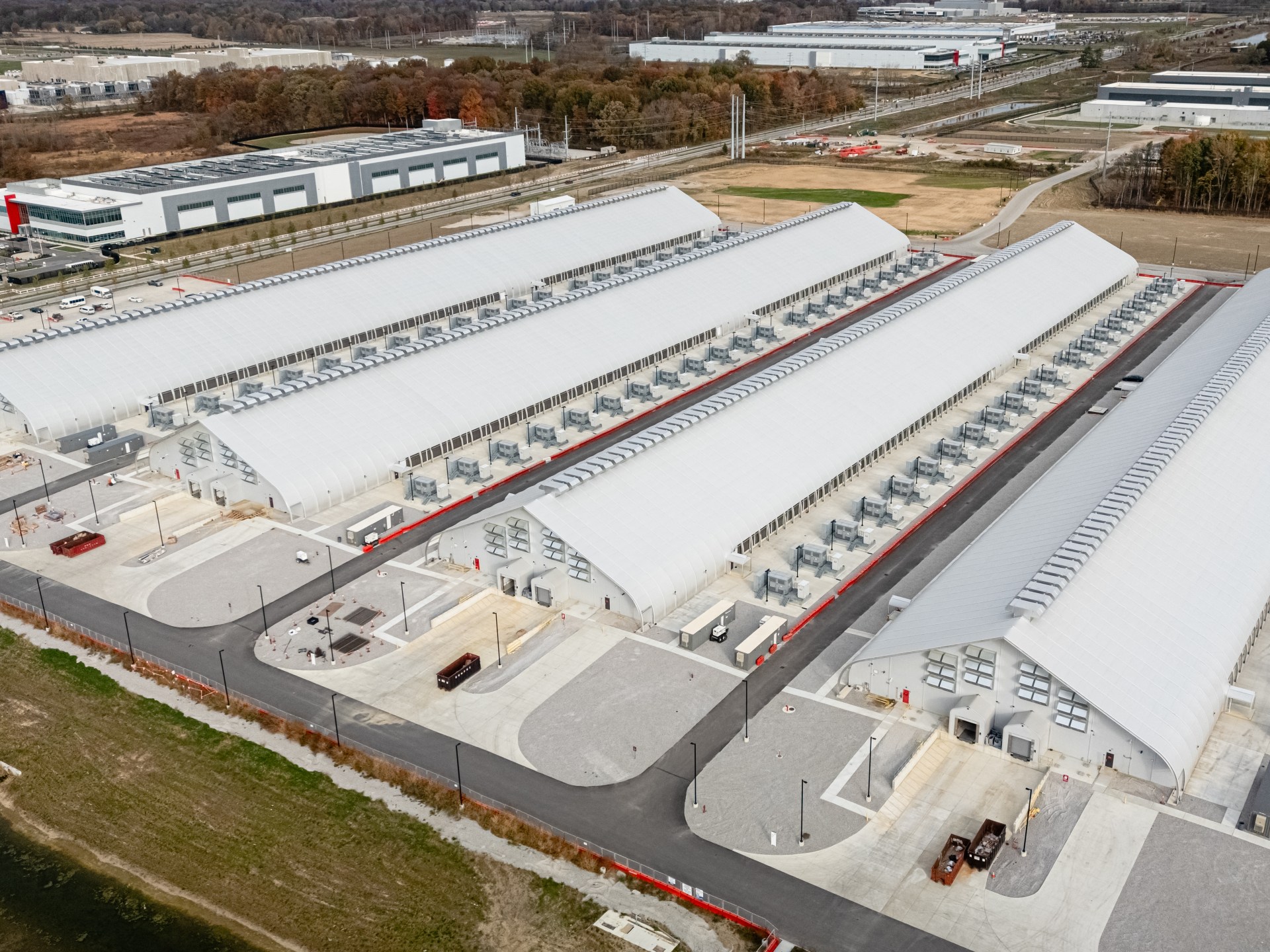
In a significant political move, the United States Senate has advanced a bipartisan bill that aims to expedite the construction of new energy infrastructure and data centers across the nation. The vote, which took place on Monday with an overwhelming 73-25 majority, marks a rare instance of cross-party cooperation. Known as the Bipartisan American Affordability and Jobs Act, the legislation seeks to modernize the permitting process for major energy projects, both clean and fossil fuel-based, by reducing environmental review deadlines and imposing restrictions on court challenges.
The bill also mandates that owners of energy-intensive data centers contribute towards the infrastructure costs required to power them, addressing growing public concern over rising electricity bills due to these facilities' increasing use in powering artificial intelligence. The bill's supporters, including President Donald Trump, argue that this legislation is crucial to meet the nation's surging demand for electricity and boost energy independence.
Despite the bill's claims of promoting clean energy projects, environmental organizations have expressed opposition. They contend that the bill would not only facilitate fossil fuel development but also weaken environmental laws and make it more challenging for US residents to contest projects within their communities. This concern is shared by a coalition of national groups, including the Climate Justice Alliance, Indigenous Environmental Network, and Western Environmental Law Center, who issued a joint statement in September expressing their opposition to the bill.
The potential impact of this legislation on residential electricity bills is significant, with claims that it could provide $19 billion in savings by 2040. Additionally, the number of solar and wind projects connecting to the US electric grid is expected to double, with data centers contributing $55 billion over the next decade to cover their power usage. However, the Democrats' midterm victory may complicate the bill's final passage, as some within the party argue that it should be delayed until new Democratic majorities are sworn in early next year. Criticism from House Minority Leader Hakeem Jeffries and his concerns about the bill's shortcomings further highlight the potential for political obstacles ahead.