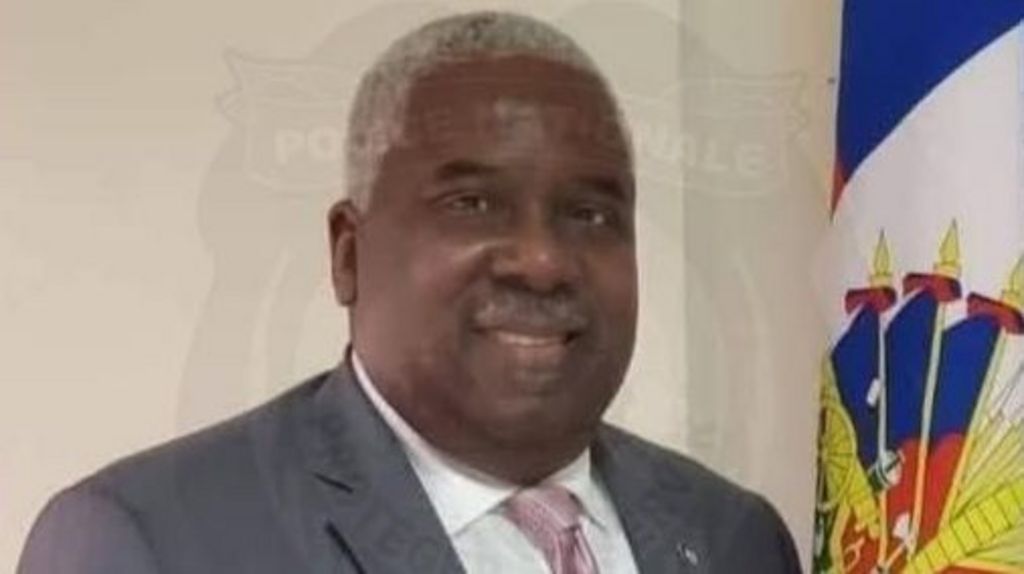
A Florida-based pastor has been found guilty of his involvement in the assassination of Haitian President Jovenel Moïse, a high-profile case that has shaken the Caribbean nation and raised global concerns. Christian Emmanuel Sanon, a dual US-Haitian national, was convicted on multiple charges including conspiracy to kill or kidnap, which carry a potential life sentence. The 67-year-old pastor, who had allegedly sought to replace Moïse as president in 2021, stood trial for eight weeks in federal court in Miami.
Prosecutors claimed that Sanon had political aspirations and, in April 2021, met with several co-conspirators to devise a plan to oust Moïse through an armed raid on the presidential palace in Port-au-Prince. Among them were the heads of Counter Terrorist Unit Federal Academy and Counter Terrorist Unit Security (CTU), who would finance the coup in exchange for lucrative government contracts. However, it was later discovered that Sanon lacked the constitutional qualifications and popular support to become Haiti's president, prompting a shift in strategy to another candidate. The plot ultimately evolved from one to forcibly remove Moïse from office to assassinating him.
On 6 July 2021, a group of Colombian mercenaries entered the presidential palace and killed Moïse. His wife, Martine, who was also injured in the attack, announced this week that she intends to stand in next year's presidential election. The successful assassination plot has left Haiti without a leader for five years, intensifying gang violence in the impoverished nation. Sanon and several other co-conspirators were arrested by Haitian authorities, while three mercenaries were killed in a gun battle with police. Eighteen people were transferred to Florida in September to stand trial over the plot. Four men, including the heads of the CTU, were convicted of their role earlier this year.
In a landmark trial, a Florida court has found Christian Emmanuel Sanon, a dual US-Haitian national and a pastor, guilty of his role in the assassination of Haitian President Jovenel Moïse. Sanon was accused of being involved in a plot to replace Moïse as president with himself, allegedly to award lucrative contracts to a Florida-based security outfit once in power. The verdict comes five years after Moïse's murder, which left Haiti without a leader and intensified gang violence in the impoverished Caribbean nation.
The trial revealed that Sanon had met with several co-conspirators in April 2021 to devise a plan to oust Moïse through an armed raid on the presidential palace in Port-au-Prince. The heads of Counter Terrorist Unit Federal Academy and Counter Terrorist Unit Security (CTU), who would finance the coup, were also implicated in the plot. However, it was later discovered that Sanon lacked the constitutional qualifications and popular support to become Haiti's president, prompting a shift in strategy to another candidate. The successful assassination plot raised questions about the relative ease with which mercenaries were able to gain access to the president.
Sanon's case is part of a larger conspiracy involving dozens of people who have been implicated in the assassination plot. Prosecutors claim that the plot involved coordinating funding for and delivering weapons and mercenaries to Haiti to carry out the attack. The country - the poorest in the Americas - has been ravaged by gang violence for years, but Moïse's assassination ushered in a period of worsening instability that emboldened gangs and prompted the deployment of a multinational force.
In a trial that has gripped global attention, Christian Emmanuel Sanon, a Florida-based pastor, has been found guilty of his role in the assassination of Haitian President Jovenel Moïse. Sanon was accused of being involved in a plot to replace Moïse as president with himself, allegedly to award lucrative contracts to a Florida-based security outfit once in power. The verdict comes five years after Moïse's murder, which left Haiti without a leader and intensified gang violence in the impoverished Caribbean nation.
The trial revealed that Sanon had met with several co-conspirators in April 2021 to devise a plan to oust Moïse through an armed raid on the presidential palace in Port-au-Prince. The heads of Counter Terrorist Unit Federal Academy and Counter Terrorist Unit Security (CTU), who would finance the coup, were also implicated in the plot. However, it was later discovered that Sanon lacked the constitutional qualifications and popular support to become Haiti's president, prompting a shift in strategy to another candidate. The successful assassination plot raised questions about the relative ease with which mercenaries were able to gain access to the president.
The trial marked a significant milestone in uncovering the truth behind Moïse's assassination and holding those responsible accountable for their actions. Sanon faces a potential sentence of life in prison, and his lawyer has announced plans to appeal against the verdict. The case is part of a larger conspiracy involving dozens of people who have been implicated in the assassination plot, and it remains to be seen how this development will impact Haiti's political landscape moving forward.