Following their impressive victory in the midterm elections, the Democratic Party convened in Denver to discuss strategies for moving forward. The conference, titled "What's Next," aimed to address the party's priorities for the future. However, despite their electoral success, the Democrats remain a divided group, with significant disagreements over issues such as healthcare, foreign policy, and accountability for the Trump administration.
One of the key points of contention is the approach towards working with Republicans. While some, like James Talarico, advocate for cooperation to push forward an economic agenda that resonates with Americans, others, like Alabama Congressman Shomari Figures, caution against targeting Trump when there are more pressing concerns for voters. This divide was evident in discussions about impeachment proceedings and military aid to Israel.
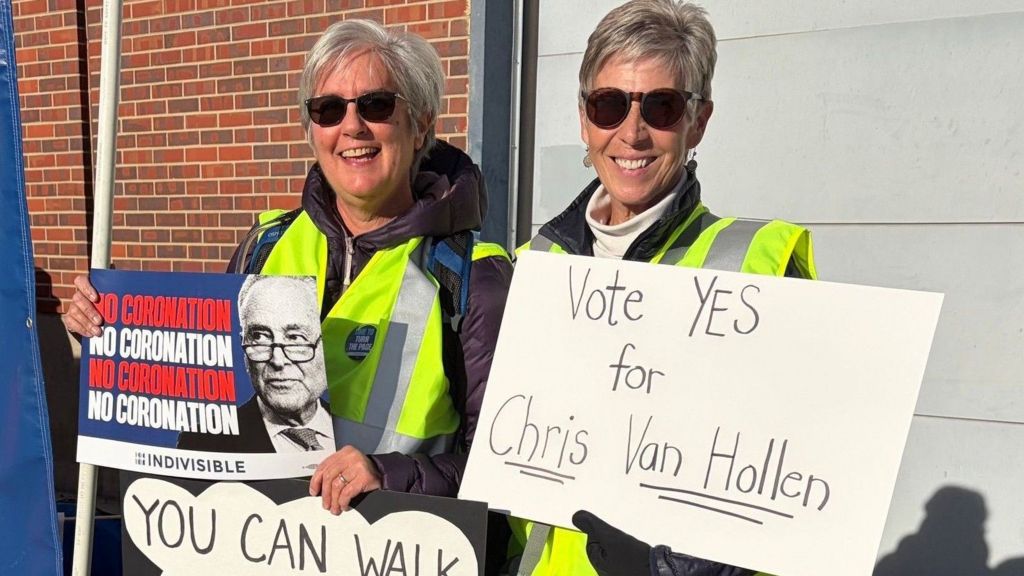
The two-day event, organized by Majority Democrats, also highlighted tensions between the left and centrist factions of the party. Prominent progressive members, such as Congresswoman Alexandria Ocasio-Cortez and Senator-elect Abdul El Sayed, were absent from the conference. Protesters advocating for Palestinian rights and transparency in investigations into the Trump administration could be seen outside the event, while some attendees criticized the party's centrist leadership, particularly Senate minority leader Chuck Schumer.
Despite these challenges, many speakers emphasized the importance of focusing on policies that impact constituents' daily lives. Delaware Senator Chris Coons advised newly elected members to "under-promise and over-deliver." The conference served as a platform for new and young leaders to share their vision for the future of the Democratic Party, offering hope that these internal disputes can be resolved in pursuit of a common goal.
The next few years will likely see intense debates within the Democratic Party as they navigate complex policy decisions and intraparty tensions. The outcome of these discussions could shape not only the direction of the party but also the future of American politics.