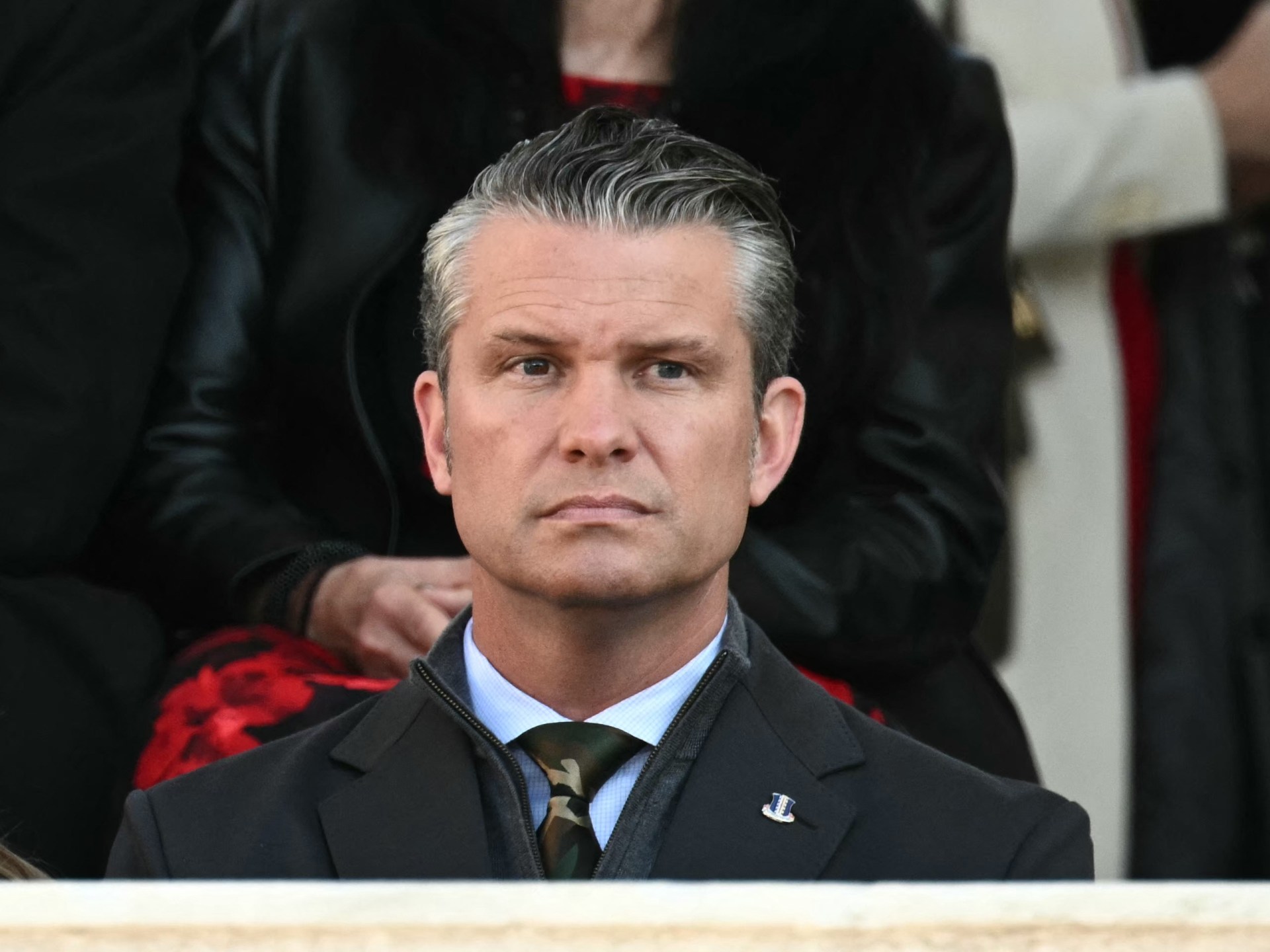
Following the US midterm elections, questions persist regarding the future tenure of Defense Secretary Pete Hegseth, as Democratic majorities take office. Despite a failed impeachment attempt, Hegseth remains under fire for his leadership at the Pentagon, with critics alleging accountability issues in decision-making processes such as the US-Israel war on Iran. Jasmine El-Gamal, a former Middle East adviser in the Pentagon, points out that while Hegseth holds significant power in directing the US war effort, he is not its sole architect and works closely with President Donald Trump and his advisers. Since assuming office in 2025, Hegseth has overseen controversial international campaigns like the war on Iran and boat strikes in the Caribbean Sea and eastern Pacific Ocean, which have been accused of violating international law. The Iran war became a contentious issue during the midterm race, with 44% of US voters reporting they were less likely to support a candidate who backed the war. The Democratic Party scored a resounding victory in the November 3 midterms, flipping both the House and Senate from Republican control. Despite calls for his resignation, Hegseth has remained defiant, dismissing critics as "deep-state radicals" and appealing to the military to "stay the course." Criticism has also come from within Hegseth's own party, with Vice President JD Vance attributing the Republican loss in the midterms to the war itself.
-------------------
In the aftermath of the US midterm elections, analysts are questioning the fate of Defense Secretary Pete Hegseth as Democratic majorities take office. Although an impeachment bid against Hegseth was recently shelved, he continues to face scrutiny over his leadership at the Pentagon and his role in controversial international campaigns like the war on Iran. Jasmine El-Gamal, a former Middle East adviser in the Pentagon, emphasizes that while Hegseth wields significant power in directing US military efforts, he is not solely responsible for shaping military policy under President Donald Trump.
Since taking office in 2025, Hegseth has overseen campaigns like the war on Iran and boat strikes in the Caribbean Sea and eastern Pacific Ocean that have been accused of violating international law. The Iran war, in particular, was a contentious issue during the midterm race, with 44% of US voters stating they were less likely to support a candidate who backed the war. The Democratic Party scored a decisive victory in the November 3 midterms, flipping both the House and Senate from Republican control.
Despite calls for his resignation, Hegseth has remained resolute, dismissing critics as "deep-state radicals" and appealing to the military to "stay the course." Criticism has also come from within Hegseth's own party, with Vice President JD Vance attributing the Republican loss in the midterms to the war itself.
-------------------
Following the US midterm elections, attention is focused on Defense Secretary Pete Hegseth as Democratic majorities take office. Although an impeachment bid against Hegseth failed, he continues to face backlash over his leadership at the Pentagon and his role in controversial international campaigns like the war on Iran. Jasmine El-Gamal, a former Middle East adviser in the Pentagon, highlights that while Hegseth holds significant power in directing US military efforts, he is not solely responsible for shaping military policy under President Donald Trump.
Since assuming office in 2025, Hegseth has overseen campaigns like the war on Iran and boat strikes in the Caribbean Sea and eastern Pacific Ocean that have been accused of violating international law. The Iran war was a contentious issue during the midterm race, with 44% of US voters reporting they were less likely to support a candidate who backed the war. The Democratic Party scored a resounding victory in the November 3 midterms, flipping both the House and Senate from Republican control.
Despite calls for his resignation, Hegseth has remained defiant, dismissing critics as "deep-state radicals" and appealing to the military to "stay the course." Criticism has also come from within Hegseth's own party, with Vice President JD Vance attributing the Republican loss in the midterms to the war itself.