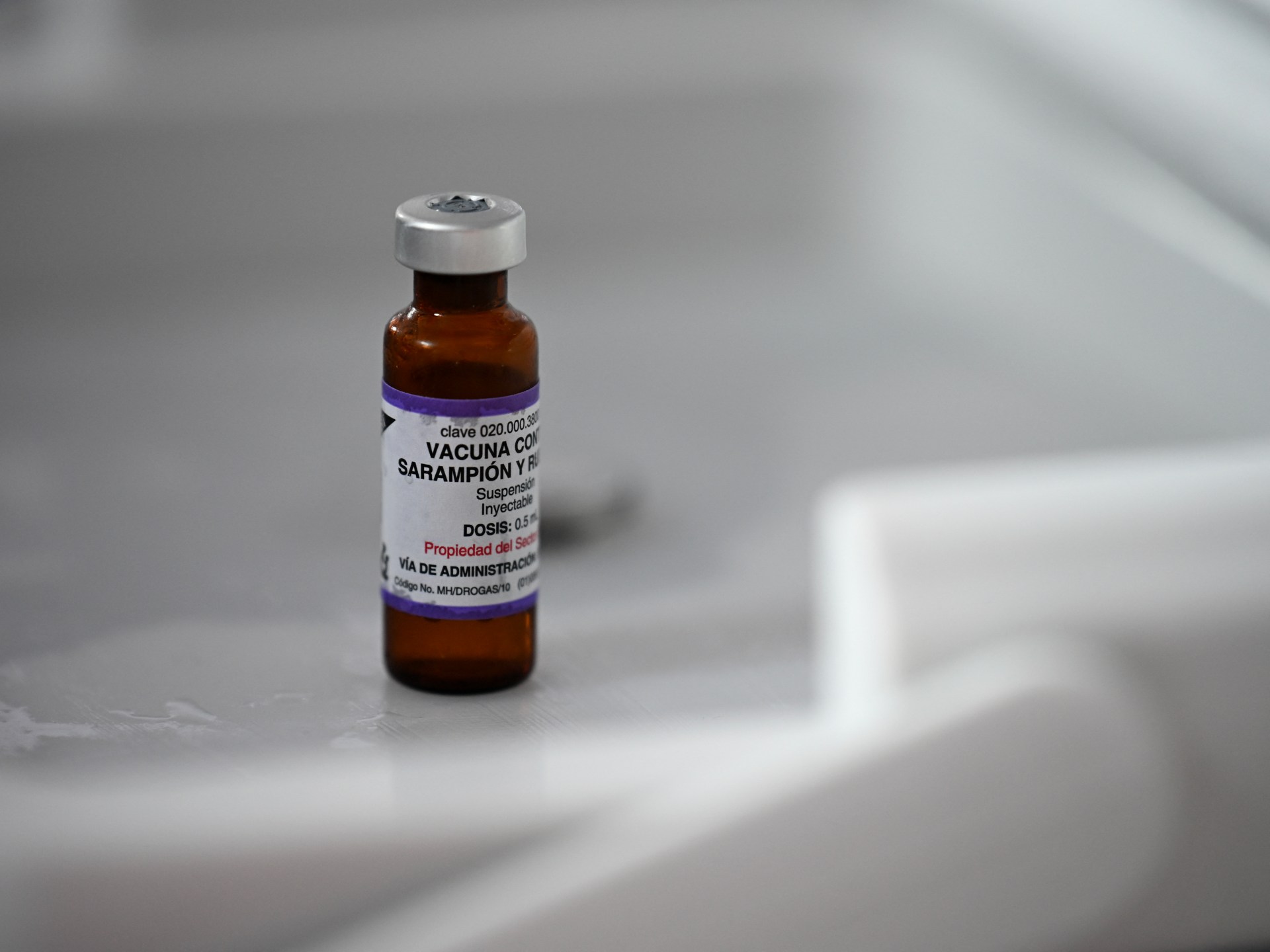
In a concerning development, the Pan American Health Organization (PAHO) has revoked the United States' measles elimination status after reviewing transmission data from the country. This designation, held for nearly 26 years, indicated that measles was not endemic to the US, meaning no single strain had circulated continuously for 12 months or more. The decision comes as Pennsylvania, a northeastern state in the US, reports its eighth measles-related death this year, with the latest fatality being an unidentified resident of Clinton County.
As of November 12, the Centers for Disease Control and Prevention (CDC) has counted 5,412 confirmed cases since the start of the year, marking the worst measles outbreak in over three decades. Pennsylvania alone reported 1,589 cases across 46 of its 67 counties. The state's health agency is actively responding to the outbreak, with approximately 300 staff members working to combat it through access to fact-based information and the administration of the measles, mumps, and rubella (MMR) vaccine.
Experts attribute the rising number of cases to vaccine hesitancy in recent years. Measles is highly contagious and can spread quickly, particularly when someone coughs or sneezes. The virus can survive for up to two hours in the air, and an estimated 90 percent of those who are not immune will catch it upon exposure, according to medical authorities. Critics have pointed to leadership under US President Donald Trump as contributing to the measles outbreaks, with one of his cabinet officials, Health Secretary Robert F Kennedy Jr., questioning the efficacy and safety of vaccines like the MMR shot.
The CDC remains committed to stopping measles outbreaks and regaining the country's elimination status. "The measles elimination designation is not what protects Americans. Vaccination does," said CDC Director Erica Schwartz. Prior to taking office in early 2025, Kennedy claimed that no vaccine was "safe and effective" and promoted the discredited theory that vaccines cause autism.