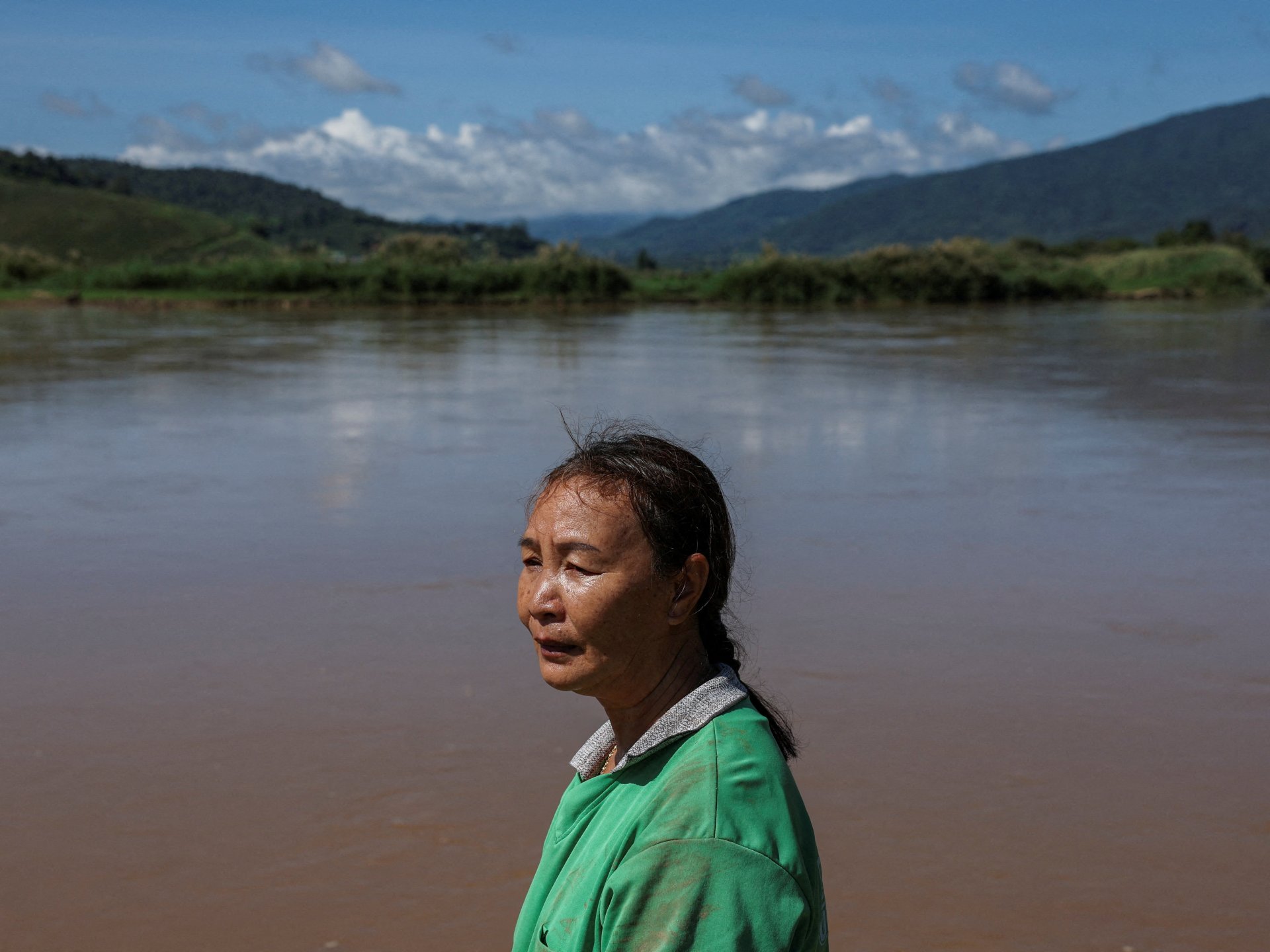
In a concerning development, authorities in Thailand are scrambling to provide clean water for over 20,000 households in the northern province of Chiang Rai, following the discovery of unsafe levels of arsenic in local water supplies. The contamination is believed to be linked to rare earth mining operations in neighboring Myanmar, according to recent research by Naresuan University.
The arsenic, found at levels 30 times above the safe limit in some waterworks, has forced authorities to suspend tap water supplies to thousands of homes in 14 villages in Mae Sai district, near the Myanmar border. Additionally, untreated water from the Sai River, a tributary of the Mekong River, was found to contain arsenic at levels 25 times above the drinking water limit.
The surge in rare earth mining in rebel-held pockets of Myanmar, supplying Chinese processing plants, is being blamed for the toxic levels of heavy metals in Thai waterways, including the Mekong River. This pollution has raised concerns about its potential impact on millions of people across several countries who rely on the Mekong River.
Thai Foreign Minister Sihasak Phuangketkeow recently visited Myanmar to discuss this issue with government officials, highlighting the "dramatic" increase in pollution in the Sai River and blaming "wastewater from mining." The Thai government has also reportedly discussed the matter with Beijing, acknowledging that many of the mining operations in Myanmar are Chinese-run.
In a further development, arsenic was found in the urine samples of 17 out of 177 people tested in the northeastern province of Nong Khai, on the border with Laos, adding to concerns about the spread of this contamination. The ongoing civil war in Myanmar has enabled unregulated exploitation of natural resources, including rare earth elements used in smartphones, wind turbines, and electric vehicles. This situation underscores the urgent need for international cooperation to address environmental issues that transcend national borders.