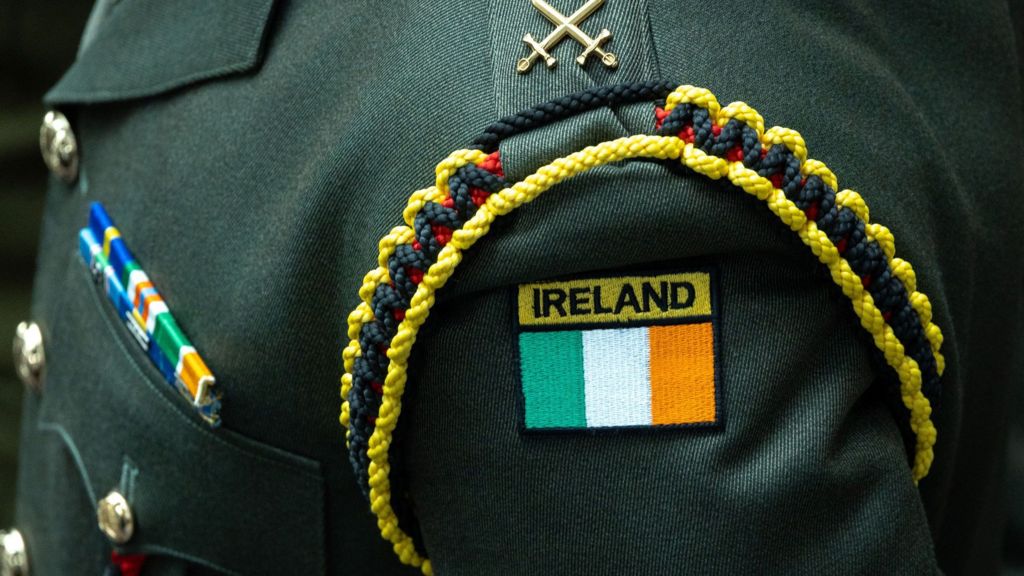
In the heart of Europe, a contentious debate is unfolding over Ireland's long-standing 'triple lock' policy, a cornerstone of the nation's foreign affairs. Proposed reforms by the Irish coalition government aim to modernize this policy, but critics argue they could erode Ireland's neutrality and commitments to peacekeeping missions.
The triple lock, a three-tier approval process for deploying troops abroad, has been in place since 1960, rooted in Ireland's founding principles and reinforced during World War II. The current system requires the approval of the UN Security Council, the government, and the Dáil (Irish parliament) before any troop deployment overseas.
The proposed changes, however, would remove the need for UN approval and raise the deployable troops limit from 12 to 50 without Dáil sign-off. The Irish government contends that this reform is necessary to support ongoing peacekeeping missions and avoid foreign vetoes on Irish troop deployments, particularly from countries like Russia and China.
Opposition parties, including Sinn Féin, have expressed concern that these changes could undermine Ireland's long-held neutrality. In a recent public meeting in Belfast, Sinn Féin MP Pat Cullen labeled the plans as "disgraceful" and accused the government of reneging on promises to the Irish people.
The Defence Amendment Bill 2026 is currently making its way through the Irish houses of parliament, with President Catherine Connolly's signature needed for enactment. Connolly, a vocal critic of the proposed changes before her election, must now evaluate any constitutional conflicts presented by the bill in her role as president.
The debate over Ireland's triple lock policy has raised questions about the nation's future international involvement and commitment to peacekeeping missions. As the legislation progresses through the Irish parliament, it remains to be seen how this long-standing policy will evolve in response to changing global dynamics.