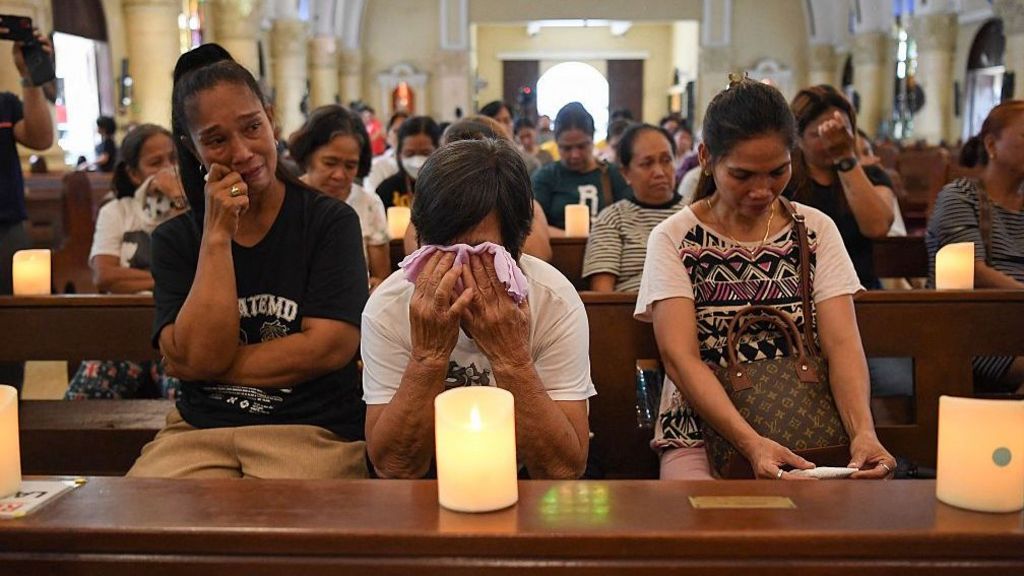
The trial of former Philippine President Rodrigo Duterte, set to commence at the International Criminal Court (ICC) on Monday, will revisit a dark chapter in the country's history marked by widespread violence and human rights abuses. Although still popular among his supporters, who argue that the current administration under President Ferdinand Marcos is undermining national sovereignty by sending Duterte to a foreign court, families of thousands of victims of his anti-drug campaign welcome this accountability and public recognition of their suffering. Duterte, now 81 years old, faces charges of murder and attempted murder in connection with his aggressive anti-drugs campaign that resulted in the deaths of thousands of alleged drug offenders. The trial offers a glimmer of hope to families like Leonila Ignacio's, whose 15-year-old daughter Princess vanished seven years ago during a police operation, and Randy Delos Santos, whose 17-year-old nephew Kian was shot dead by the police in 2017. The trial represents a small step towards justice for these families who have long been denied any form of acknowledgement or compensation in their home country.
The anti-drug campaign, initiated in 2016, saw numerous extrajudicial killings and human rights violations committed by police officers, hit squads, and even drug syndicates. According to reports, the killings were carried out during door-knocking operations against those suspected of using or dealing narcotics, with victims often shot dead after being accused of resisting arrest or fighting back. In addition, unidentified assassins on motorbikes would target and shoot victims as they went about their daily lives.
The trial at the ICC will focus on 76 reported deaths, although prosecutors claim that these are just examples of a much wider pattern of killings that took place before and during Duterte's presidency. The cases date back to his time as mayor of Davao City, where he is alleged to have run death squads, and continued into his presidential term when he withdrew the Philippines from the ICC in 2019 to avoid investigation. This trial represents a significant step towards holding those responsible accountable for their actions during one of the most violent periods in Philippine history.