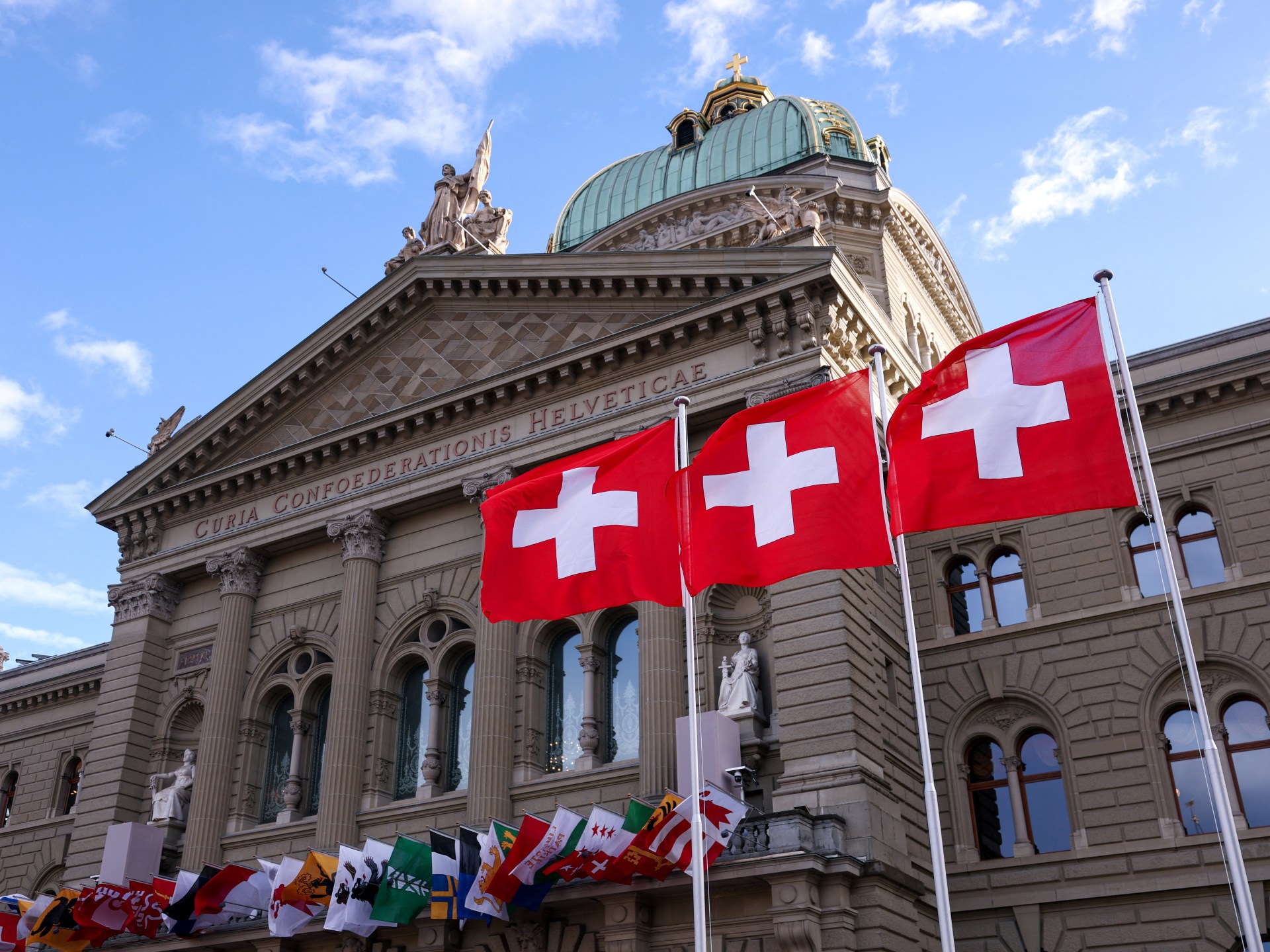
Switzerland is set to hold a referendum this Sunday on easing restrictions on weapons exports, a move that is part of the country's effort to balance its traditional neutrality with evolving security needs in Europe. The vote centers around amendments to the War Materiel Act, passed last year, which aims to adapt to a changing European security landscape following Russia's full-scale invasion of Ukraine in 2022. Left-wing parties and humanitarian organizations have secured this referendum under Switzerland’s direct democracy system, expressing concerns that the reforms could undermine the country’s neutrality and escalate the risk of Swiss-made weapons being used in conflicts.
The proposed legislation would allow Switzerland to supply military equipment to 36 designated partner countries involved in armed conflicts, provided the exports adhere to its neutrality obligations and foreign and security policy interests. The countries include members of the European Union, the United Kingdom, the United States, Australia, and Japan. Under the new rules, purchasing countries would no longer be obligated to seek Switzerland’s approval before transferring Swiss-made weapons to third countries, but existing commitments would remain binding. All exports would still require government approval, according to Switzerland’s State Secretariat for Economic Affairs.
Advocates of the legislation argue that current restrictions are disadvantageous to Swiss defense manufacturers and hinder the country's access to international military supply chains. They claim that these restrictions have led to exclusion from some defense procurement contracts in Germany, Denmark, and the Netherlands. In 2025, Swiss arms exports increased by 43 percent to 948.2 million Swiss francs ($1.13bn), with Germany being the largest recipient, according to reports. Opponents, including humanitarian organizations and left-wing politicians, argue that relaxing export controls could increase the risk of Swiss weapons reaching countries involved in conflicts or accused of human rights violations.
This referendum comes two months after Swiss voters rejected an initiative seeking a stricter interpretation of neutrality in the constitution. Despite Russia’s war on Ukraine being a significant factor driving the reforms, direct weapons exports to Kyiv would remain prohibited under Switzerland’s neutrality laws. Indirect transfers would also continue to be subject to restrictions. Alongside this key decision, Swiss voters will also consider three other proposals on Sunday regarding pension funding, restrictions on fireworks, and changes to the taxation of married couples.