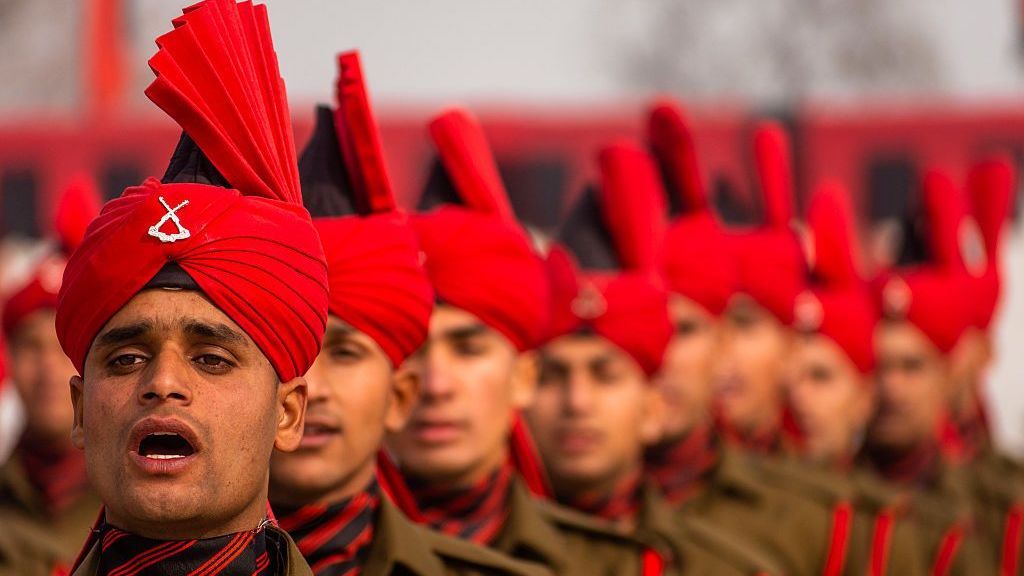
In a significant policy shift, the Indian government has extended its Agnipath recruitment scheme, offering additional two years of service to young recruits who failed to secure permanent positions. This decision comes as the first batch of recruits prepares to complete their four-year term and as more than 300,000 current Agniveers prepare for the end of their initial tenure by 2026.
The Agnipath scheme, introduced in 2022, aimed to reduce the average age of the armed forces, lower long-term salary and pension costs, and create a more technologically adaptable fighting force. However, the policy has been met with criticism from military experts, opposition leaders, and recruitment aspirants who question its feasibility and impact on the traditional career path in the armed forces.
The extension of the Agnipath scheme is seen as an attempt to address these concerns and reverse a decline in interest in joining the armed forces. Critics, however, argue that four years may not be enough time to turn recruits into experienced soldiers, particularly for technical roles requiring specialized skills. They also question whether the shorter training period can maintain military effectiveness, which is said to depend on experience and trust built over years.
The debate over Agnipath goes beyond the terms of service. Personnel shortages in the armed forces, reported by The Indian Express last November, are another issue that the extension may help address. Senior military leaders have welcomed the decision, with Air Vice Marshal Shekhar Yadav stating that the additional two years could help improve recruits' skills, particularly in handling specialised equipment.
The move to extend the Agnipath scheme is a forward-looking step by the Indian government as it grapples with both public criticism and personnel shortages in the armed forces. The decision remains a topic of debate among military experts and opposition leaders, who will continue to scrutinize its impact on the future of the Indian armed forces.