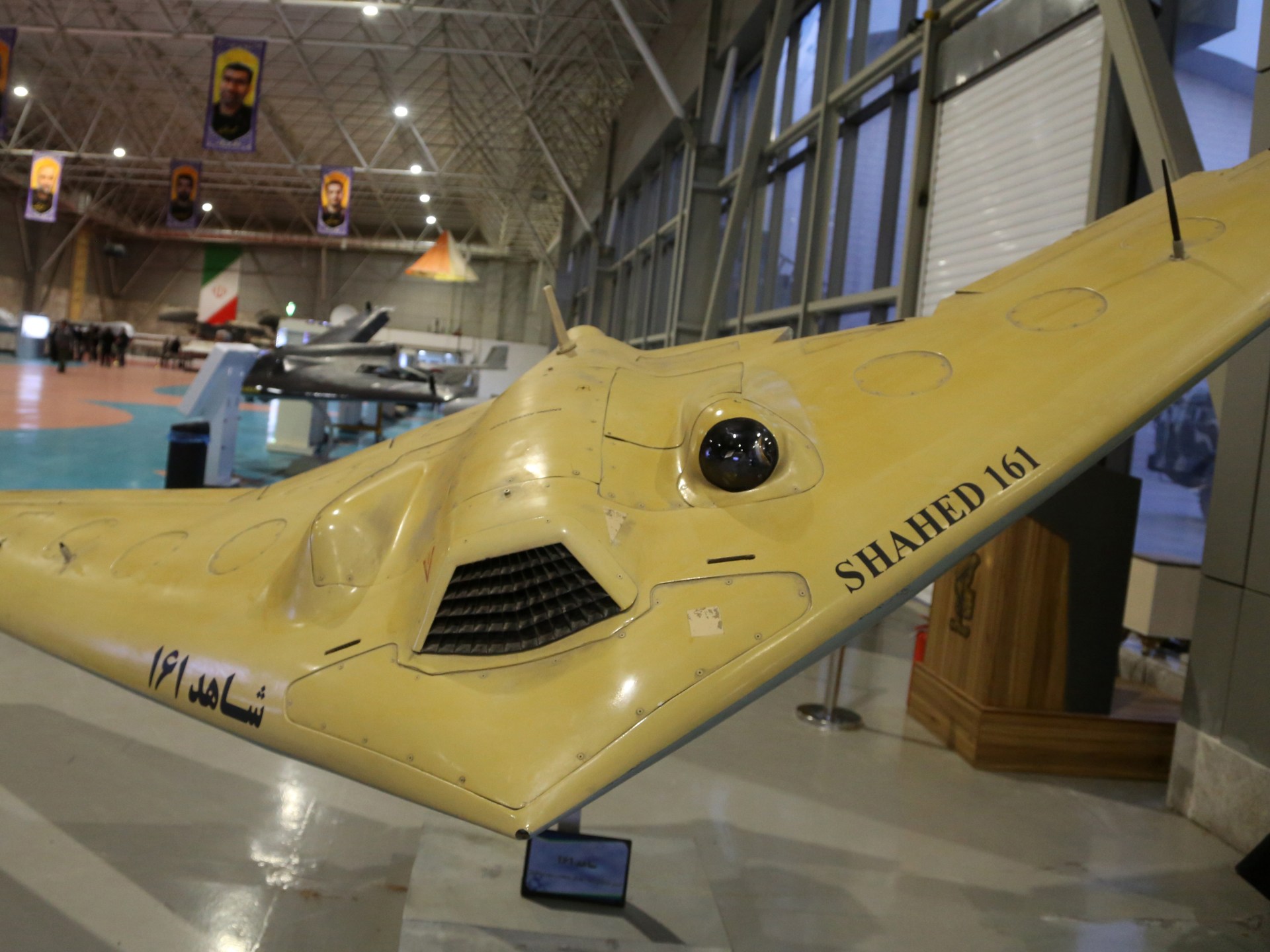
In a recent escalation of regional tensions, Iran's Islamic Revolutionary Guard Corps (IRGC) has reportedly launched multiple drone attacks on US radar systems stationed at the Isa and Riffa airbases in Bahrain. The latest attack took place on Tuesday, according to Iran's state broadcaster IRIB, which claimed that the assault was part of efforts to counter perceived hostile activities by US forces in the region. These incidents follow a series of alleged attacks on US radar systems in Bahrain over the past few days, with the Ministry of Interior urging residents to seek safe shelter during the most recent episode. The attacks have occurred amid ongoing diplomatic stalemates regarding the US-Israel conflict with Iran, which erupted on February 28 and has affected the entire Gulf region and beyond. Bahrain, home to the US Navy's Fifth Fleet, now faces renewed security concerns in the wake of these incidents. Al Jazeera reports that Iran may be attempting to restore deterrence by targeting US military installations, citing a pattern emerging from Iranian threats against US ships and aircraft if they do not coordinate with Iran through the Strait of Hormuz. The US military has denied that any of their facilities have been hit in these attacks, claiming they intercepted two Iranian drones without causing damage or casualties.
Incidents of Iranian aggression against US interests continue to escalate regional tensions, with the latest attacks on Bahrain's air defense systems marking a significant development in this ongoing conflict. The IRGC's alleged targeting of US radar systems is part of an assertive strategy aimed at countering perceived hostile activities by American forces in the region. The stalemate between the US and Iran over their ongoing conflict has created a volatile situation, with Bahrain bearing the brunt of these escalating tensions as it hosts key US military assets.
Tensions between Iran and its regional adversaries have been on the rise for some time, but the recent drone attacks on US radar systems in Bahrain represent a new level of hostility. The IRGC's claim that the assault was part of an effort to counter perceived hostile activities by American forces underscores the escalating tensions and the increasingly assertive posture of Iranian forces. As diplomatic efforts to resolve the ongoing conflict between the US and Iran stall, regional powers such as Bahrain face growing security concerns in the face of these attacks on critical US military infrastructure.
The latest drone attack on a US radar system in Bahrain is not an isolated incident but rather part of a pattern of escalating aggression by Iran against US interests in the region. The IRGC's alleged targeting of US radar systems is indicative of a broader strategy aimed at countering perceived hostile activities by American forces and exerting pressure on their regional allies. In light of these developments, it appears that the rules of engagement may have changed, with Iran now threatening to attack US military installations in response to what it perceives as violations of its airspace or failure to coordinate with Iran through strategic waterways like the Strait of Hormuz. These events underscore the need for diplomatic solutions to de-escalate tensions and avoid a wider conflict in the region.