The International Court of Justice (ICJ), the supreme judicial organ of the United Nations, is poised to deliver a landmark ruling in a case alleging that Myanmar has committed genocide against its Rohingya minority. The judgment, scheduled for 10am GMT on Thursday at the Peace Palace in The Hague, could potentially mark the first time the court finds a state guilty of such crimes. If Myanmar is found responsible, it may be ordered to prosecute those involved, make reparations, and ensure the safe return of Rohingya refugees. This case, brought forward by The Gambia in November 2019 with the backing of the Organisation of Islamic Cooperation, stems from a 2017 military offensive that displaced over 730,000 Rohingya into Bangladesh. Survivors have reported killings, mass rape, and village burnings, allegations that were supported by a UN fact-finding mission concluding the campaign included "genocidal acts." Myanmar denies these accusations, claiming its forces acted legitimately in response to armed group attacks, and argues there is no evidence of intent to destroy the Rohingya. The ruling's impact could extend beyond this case, potentially influencing other genocide allegations, such as South Africa's claim against Israel in Gaza. It is important to note that the ICJ does not try individuals but rather settles disputes between states, with The Gambia seeking orders for Myanmar to prosecute those responsible and provide reparations.
SUMMARY (CONTINUED):
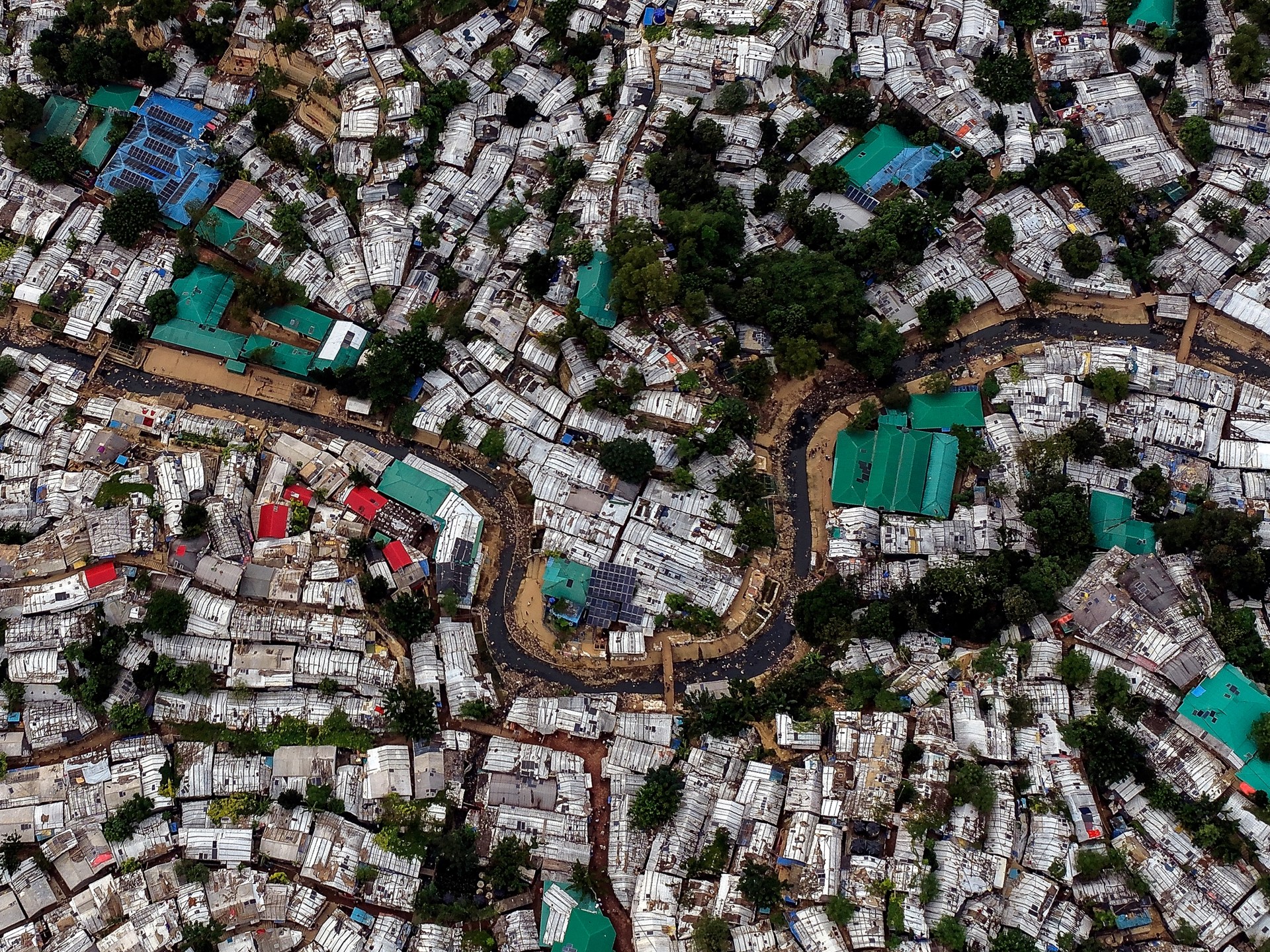
The ruling comes at a time when over 1.2 million Rohingya refugees reside in the Cox's Bazar refugee settlement in Bangladesh, many eagerly awaiting the judgment's outcome. Meanwhile, approximately 550,000 Rohingya remain within Myanmar, facing restrictions on movement, healthcare, and livelihoods. The ICJ's ruling will be final and cannot be appealed, but its enforcement remains limited. If Myanmar chooses to disregard the judgment, The Gambia could potentially ask the UN Security Council to take action. This case serves as a significant test for international justice in holding states accountable for alleged genocide, with potential implications for future cases involving ethnic, national, racial, or religious groups worldwide.
SUMMARY (CONTINUED):
The International Court of Justice's ruling on the Rohingya genocide case against Myanmar, set to be delivered on Thursday, carries immense weight in global affairs. The court's decision could potentially establish new precedents for holding states accountable for genocidal actions and provide some measure of justice for the Rohingya community. However, it is important to remember that the ICJ's enforcement powers are limited, and Myanmar's response remains uncertain. If found guilty, Myanmar may be ordered to prosecute those responsible for the atrocities, make reparations, and ensure the safe return of Rohingya refugees. The global community will closely watch the court's decision and its potential impact on other genocide allegations, such as South Africa's case against Israel in Gaza. This landmark ruling serves as a testament to the ongoing struggle for justice and accountability in cases of alleged genocide, offering hope for the millions affected by ethnic, national, racial, or religious persecution worldwide.