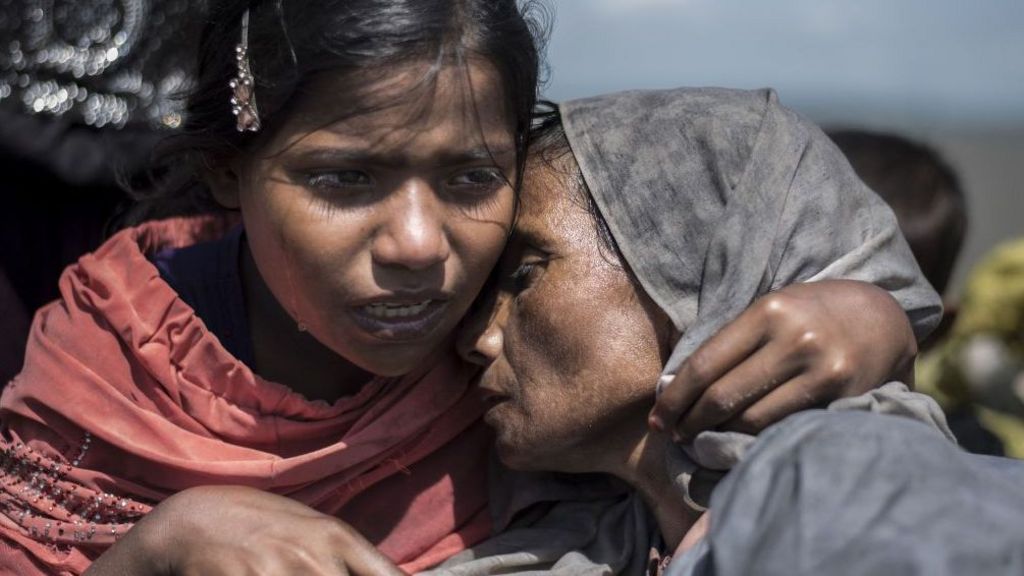
The International Court of Justice (ICJ) is set to deliver a groundbreaking verdict on Thursday, potentially making history by finding a state guilty of genocide for the first time. The case, filed by The Gambia against Myanmar over the 2017 Rohingya massacres in Rakhine State, could significantly reinforce international legal accountability and the Genocide Convention. The Rohingya population was subjected to a brutal military operation that resulted in the expulsion of hundreds of thousands who sought refuge in neighboring Bangladesh. Accounts of killing, torture, and mass rape by Burmese soldiers have been extensively documented by human rights groups and UN fact-finding missions. Myanmar authorities have consistently denied accusations of ethnic cleansing or genocide, claiming their actions were a response to terrorist activities by Rohingya militants. However, a UN report in 2018 suggested the army's tactics were disproportionate and called for the investigation of top military figures for genocide and crimes against humanity. The ICJ was chosen to address the Rohingya issue due to limited avenues of redress for victims. The case has attracted global attention, especially when Aung San Suu Kyi, then head of Myanmar's elected government, personally led the initial legal defense at The Hague, facing widespread criticism. Since her deposition in 2021 and subsequent arrest, a new military-appointed team has taken over the defense. Proving genocide is challenging, as judges apply a high bar for evidence demonstrating intent. If The Gambia succeeds, it could mark a turning point in international law by giving indirectly affected states legal standing to file complaints based on violations of significant conventions.
---
On Thursday, the International Court of Justice (ICJ) is poised to make a landmark decision in a seven-year-old genocide case filed by The Gambia against Myanmar. If successful, this verdict could rejuvenate the 1948 Genocide Convention and emphasize international legal accountability for state-perpetrated crimes. In August and September 2017, the Rohingya population in Rakhine State was subjected to a military operation of exceptional brutality that led to mass expulsion and human suffering on an unprecedented scale. Hundreds of thousands of Rohingyas fled to neighboring Bangladesh, providing accounts of killing, torture, and mass rape by Burmese soldiers. Extensive documentation by human rights groups and UN fact-finding missions supports these claims. Myanmar authorities have consistently denied accusations of ethnic cleansing or genocide, maintaining they were responding to terrorist activities by Rohingya militants. However, a 2018 UN report highlighted the disproportionate nature of the army's tactics and called for investigations into top military figures for genocide and crimes against humanity. As Myanmar was not a signatory to the International Criminal Court, this case was filed at the ICJ instead. The Gambia argued that all states are bound by the Genocide Convention, giving them an interest in upholding it, even if they are indirectly affected.
---
The International Court of Justice (ICJ) is on the brink of delivering a historic verdict in a seven-year-old genocide case filed by The Gambia against Myanmar. This decision could set a precedent for international legal accountability and reinforce the Genocide Convention. In 2017, the Rohingya population in Rakhine State was subjected to a brutal military operation that resulted in mass expulsion and severe human suffering. Hundreds of thousands of Rohingyas fled to neighboring Bangladesh, providing accounts of killing, torture, and mass rape by Burmese soldiers. These allegations have been extensively documented by human rights groups and UN fact-finding missions. Myanmar authorities have consistently denied accusations of ethnic cleansing or genocide, claiming they were only responding to terrorist activities by Rohingya militants with so-called military "clearance operations". A 2018 UN report suggested the army's tactics were disproportionate and called for investigations into top military figures for genocide and crimes against humanity. The ICJ was chosen to address the Rohingya issue due to limited avenues of redress for victims. If The Gambia wins, it could mark a significant turning point in international law by giving indirectly affected states legal standing to file complaints based on violations of important conventions.