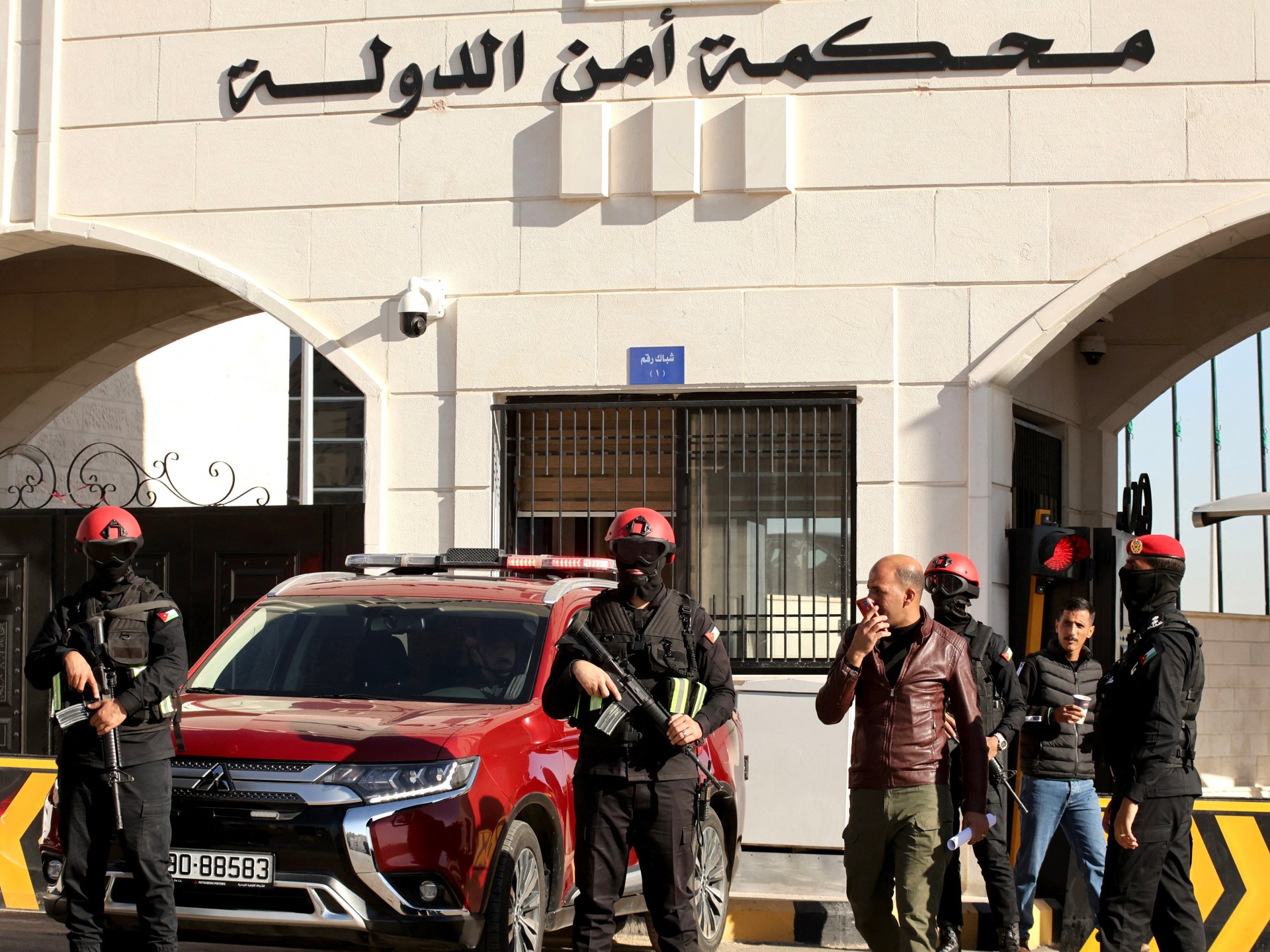
Authorities in Jordan and Iraq have announced plans to ban the popular messaging app, Telegram, citing national security concerns and the proliferation of extremist content. The decision comes amidst a heightened security climate in both countries, with Jordan taking action following an attack on a Greek Orthodox church last month that left nine people dead. The Public Security Directorate (PSD) of Jordan urged citizens to exercise caution when using social media applications and to report any unlawful practices or content through official channels. In Iraq, the authorities accused Telegram of failing to address non-compliant content and not adhering to Iraqi laws, giving the company a 30-day ultimatum to comply before further action is taken. Previously, in 2023, Iraq had also blocked the app due to similar concerns. The founders of Telegram, Russian-born entrepreneur Pavel Durov, face investigations in several countries, including Russia where an arrest warrant was issued in July for alleged aiding of terrorism. The Middle East and North Africa region account for about 8% of global users of the app, which supports end-to-end encrypted chats but not all conversations are secure.
---
The Jordanian government has taken decisive action to curb the dissemination of extremist content online by announcing its intention to ban the Telegram messaging app. This move comes in the wake of a security crackdown following an attack on a Greek Orthodox church last month that claimed nine lives. The Public Security Directorate (PSD) of Jordan has urged citizens to exercise caution when using social media applications and to report any unlawful practices or content through official channels.
In Iraq, authorities have accused Telegram of failing to address non-compliant content and not adhering to Iraqi laws. The media and communications authority in Iraq has given the company a 30-day ultimatum to comply, threatening further action if the company fails to meet their demands. This is not the first time Iraq has blocked Telegram; the app was also banned in 2023 due to national security concerns and mishandling of users' personal data.
The founder of Telegram, Russian-born entrepreneur Pavel Durov, faces investigations in several countries, including Russia where an arrest warrant was issued in July for alleged aiding of terrorism. The Middle East and North Africa region account for about 8% of global users of the app, which supports end-to-end encrypted chats but not all conversations are secure.
---
The decision to ban Telegram in Jordan and Iraq raises questions about the role of messaging apps in spreading extremist content and undermining national security. The authorities in both countries allege that the app has failed to address non-compliant content, prompting them to take action. In Jordan, the move comes after a deadly attack on a Greek Orthodox church last month, while in Iraq, concerns about the integrity of users' personal data also played a role in the decision.
The founder of Telegram, Pavel Durov, faces investigations in several countries, including Russia where an arrest warrant was issued for alleged aiding of terrorism. The app's popularity in the Middle East and North Africa region, which accounts for about 8% of global users, is likely to be affected by these bans. The app supports end-to-end encrypted chats but not all conversations are secure, raising concerns about the potential for extremist groups to use the app to communicate undetected.
The impact of these bans on Telegram and its users remains to be seen, but it is clear that both Jordanian and Iraqi authorities view the app as a threat to national security and are taking action to address this threat. The decision to ban Telegram highlights the increasing importance of trend-spotting and analytical approaches in identifying and addressing potential threats online.