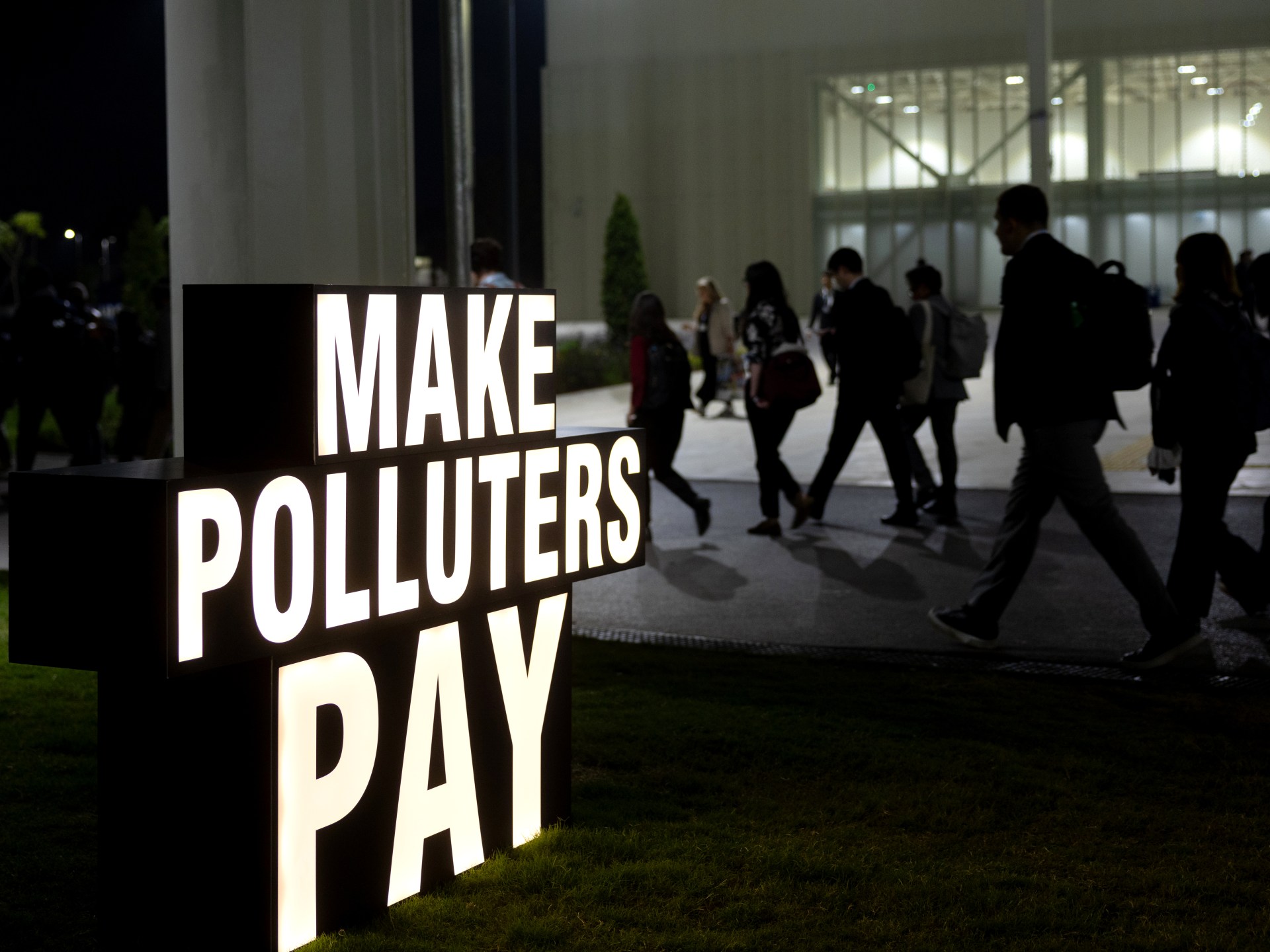
At the ongoing United Nations climate conference (COP31) in Turkiye, tensions have risen over a contested draft decision that outlines demands for carbon reduction, including a phaseout of fossil fuels. The 18-page "cover decision," published by co-host Australia on Monday, has sparked disagreements among the attending nations, with some expressing concerns about its direction and need for significant amendments. While negotiations are scheduled to conclude this Friday, past climate talks have often extended beyond the set deadline due to the requirement of consensus, which allows a single country to block the entire process.
One contentious issue in the draft text is the call for developed nations to achieve net-zero emissions by 2030 and phasing out fossil fuels, a proposal that oil-rich countries have long resisted. Consensus on this matter at COP31 appears challenging, according to Michael Joseph, the environment minister of Antigua and Barbuda. Another dispute revolves around the timeline for publishing crucial reports by the UN's climate science panel (IPCC), with several European, African, and Pacific states pushing for their publication before the next COP33 conference in 2028. However, Saudi Arabia, one of the parties involved, has defended its position on the report's timeline, stating that it advocates for publication timelines that allow thorough scientific review and meaningful participation.
The IPCC, which publishes reports every five to seven years to provide a definitive scientific assessment of global warming and guide policy responses, suspended its last meeting due to an impasse. A new session is set for December to address this issue, with Ilana Seid, chair of the Alliance of Small Island States, describing delays in publishing the IPCC's seventh assessment report as "unjustifiable." The delay in the publication of the IPCC report has become one of the main points of contention at COP31.