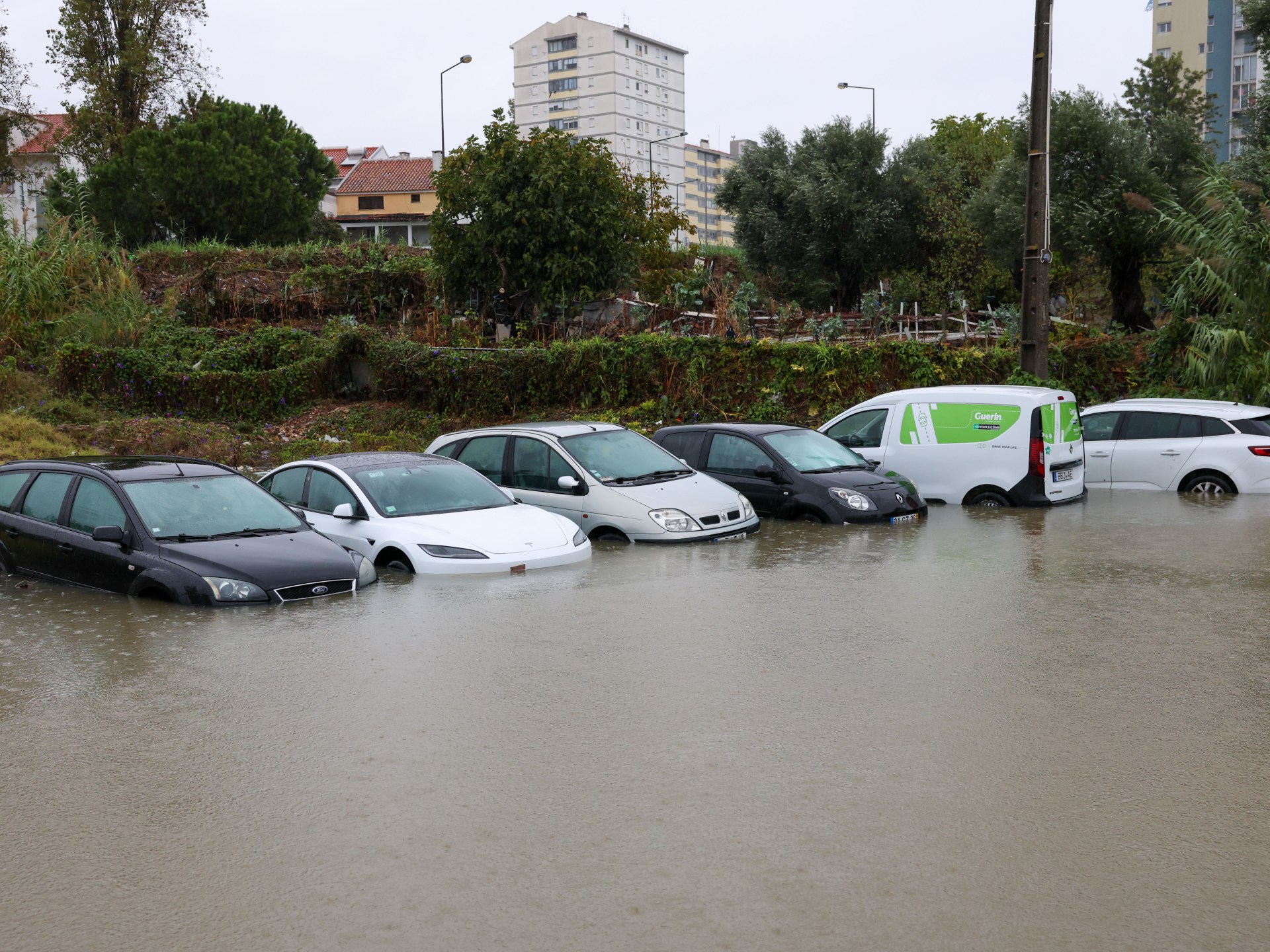
In an effort to mitigate the impact of another significant Atlantic storm, Portuguese authorities have taken proactive measures to safeguard the nation, following criticisms over their response to January's Storm Kristin. As a result, more than 300 flights in and out of Portugal were cancelled, businesses and schools shut down, and non-essential public services closed across the country on Wednesday. The storm, named Charles, was forecasted to bring heavy rainfall and intense winds, with wind gusts exceeding 120km/h (75mph) in certain areas. The national weather agency, IPMA, recorded such gusts in some parts of Portugal's mainland.
In a historic move, approximately 8,000 schools closed their doors, marking the first time ever that so many educational institutions have cancelled classes due to an Atlantic storm. Streets were largely deserted as the government urged citizens to stay at home, fearing potential damage. The country's capital, Lisbon, experienced some flooding due to clogged drains, and a national supermarket chain closed its stores, while the Web Summit technology conference in Lisbon postponed its events.
By mid-afternoon, only the southern Algarve region remained on red alert, initially covering more than half of the country. Storm Charles had previously struck the Portuguese island of Madeira with 130km/h (81mph) winds on Tuesday. In January, Portugal's centre-right government faced harsh criticism for their response to Storm Kristin, which caused widespread property damage in central Portugal. The government has since established a crisis unit, led by Prime Minister Luis Montenegro and eight other officials, to monitor such weather events and ensure appropriate responses.
The storm is expected to move towards Spain later on Wednesday, with workers there preparing for a general strike. Strike organizers have cancelled or postponed demonstrations in some southern cities, including Cordoba, Huelva, and Cadiz, due to the impending storm. Authorities are careful not to be accused of overreacting as they manage the storm response according to weather forecasts.