Global Analysis: New Delhi's Diwali Fireworks Aggravate Chronic Air Pollution Crisis
In the heart of India, the capital city of New Delhi, has been engulfed in a severe smog crisis following the Diwali festivities.
By Global Trend Scope Desk
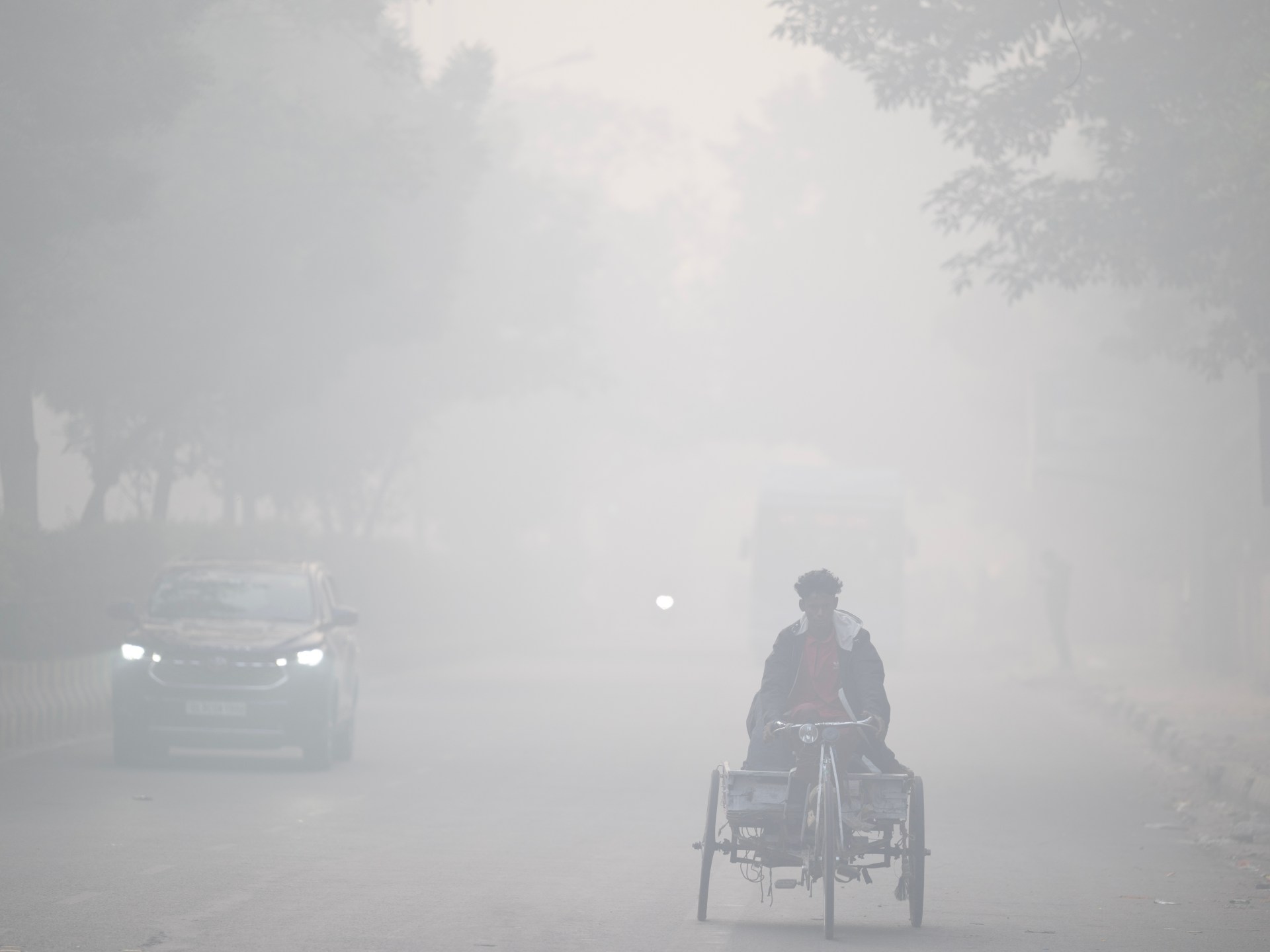
In the heart of India, the capital city of New Delhi, has been engulfed in a severe smog crisis following the Diwali festivities. The air quality index soared to "severe" levels on Monday morning, posing significant health risks for the city's 30 million residents. This worsening pollution predicament is attributed to the widespread use of firecrackers during the Hindu festival of lights, despite restrictions aimed at limiting Diwali-related pollution. Despite the limitations, the approved crackers released harmful emissions into the air, exacerbating the seasonal crisis. In the weeks leading up to Diwali, New Delhi's air pollution surged more than 30 times beyond the World Health Organization's (WHO) recommended daily limit, demonstrating a persistent challenge for the city. The issue is further compounded during the winter months when cooler temperatures, low wind speeds, and stagnant atmospheric conditions hinder pollutant dispersion. According to India's Ministry of Environment, Forest and Climate Change, vehicles and biomass burning, including farm stubble fires, account for 43% of New Delhi's winter pollution. The result is a persistent thick haze that lingers over the capital and surrounding areas for days on end. As one of the world's most polluted capital cities, addressing this environmental concern is critical to safeguarding the health and wellbeing of millions of residents in the region.
Filed underClimate
More stories
Climate
Global Analysis: Reno Wildfire Contained but Persistent Threat Looms amidst Unfavorable Weather Conditions
Global Trend Scope Desk
Climate
Catastrophic Tornado Ravages Southwestern French Village, Leaves Over Three Dozen Injured and Hundreds of Homes Damaged
Global Trend Scope Desk
Climate
Record Heatwave Claims Life of French Tourist in Death Valley's Inhospitable Terrain
Global Trend Scope Desk
Climate
Nevada Wildfire Containment Progress, but Fears Persist as Fire Approaches Reno
Global Trend Scope Desk
Climate
British Columbia Wildfires Threaten Homes and Livestock Amidst Drought Conditions
Global Trend Scope Desk
Climate
Europe Faces Imminent Heatwave: Water Restrictions, Wildfires, and Navigational Challenges Loom
Global Trend Scope Desk