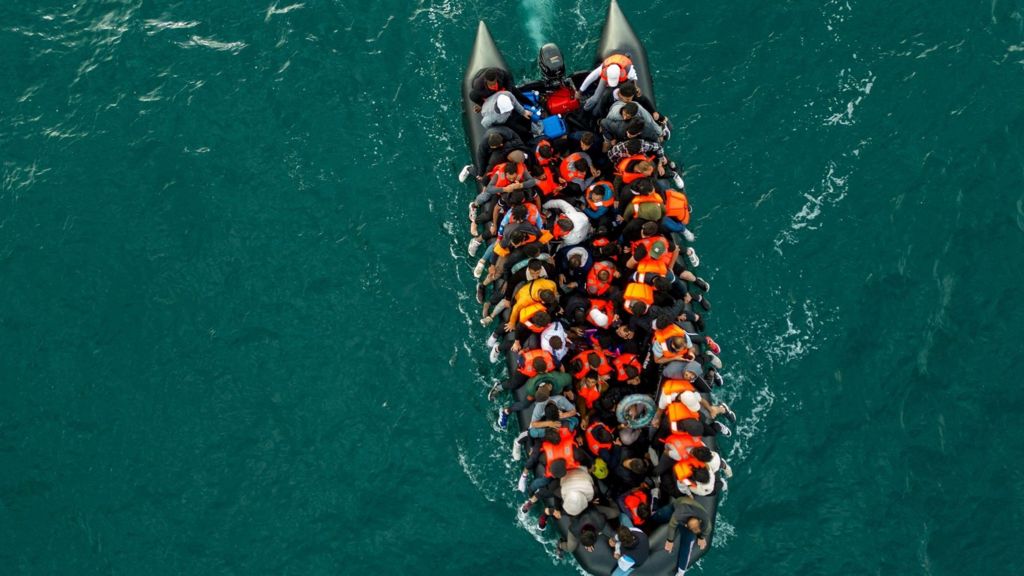
A coalition of five European Union (EU) countries, including Germany, Denmark, Austria, Greece, and the Netherlands, have announced plans to open a migrant return hub in Rwanda next year. This move is part of a broader strategy aimed at increasing the number of removals of failed asylum seekers from these nations. The scheme, which will reportedly be operational in 2027, will serve as an alternative for deportees who cannot be returned to their countries of origin. The hub aims to accept transfers of migrants staying illegally within the five nations and will provide them with the opportunity to either integrate into Rwandan society or return to their home country.
The decision comes in light of a recent EU reform that allows for the creation of hubs outside the bloc. The new plan differs from a scrapped British deal, which envisioned sending people to Rwanda for claim processing, as this scheme will focus on migrants who have exhausted their legal options to stay within these five nations. However, legal challenges and concerns about human rights violations have been raised by various organizations.
The Dutch government has confirmed that initially, only single men will be sent abroad under the first phase of the deal, with a focus on individuals from countries in the same region as Rwanda. Once in Rwanda, migrants will reportedly have access to rights such as residence, education, healthcare, employment opportunities, and legal recourse. Rwandan Interior Minister Vincent Biruta has stated that his country is committed to working with European partners to provide a "safe, legal, and dignified solution for migrants" and to address the global imbalance in economic opportunities, which he considers a key driver of irregular migration.
The hub is expected to operate as a pilot, hosting approximately 100 people initially, with each nation potentially sending around 20 migrants. The United Nations' International Organisation for Migration (IOM) could play an ancillary role in the project. As elections approach in several EU nations, administrations are under pressure to show that they can manage migration effectively, given concerns about security, struggling economies, and disillusionment with governing parties shaping attitudes towards people leaving their home countries. However, human rights organizations have expressed concerns about Rwanda's record of repression, arbitrary detention, ill-treatment in detention, and support for armed rebels in neighboring countries.