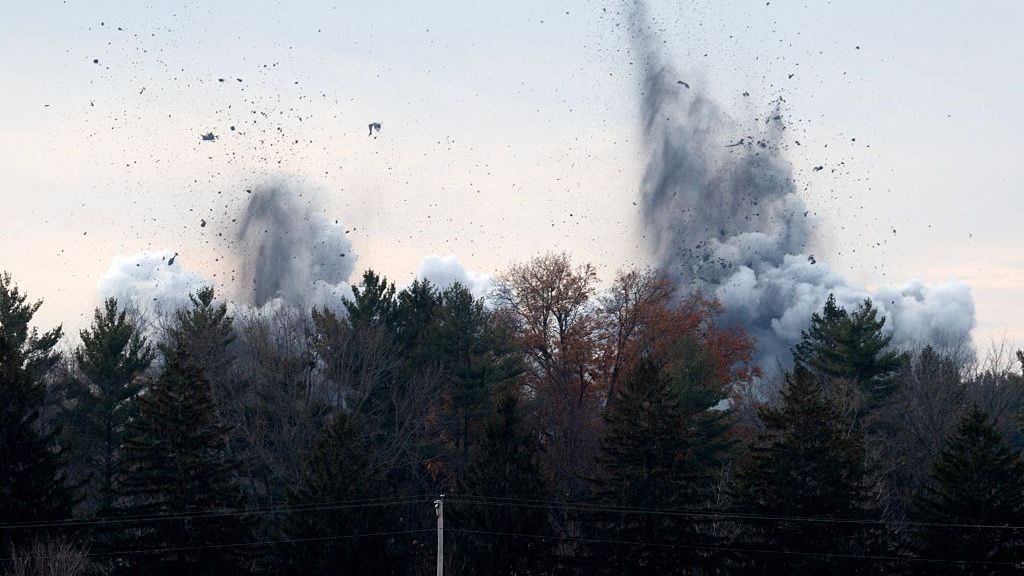
Following the detonation of nearly five tonnes of toxic explosives in Middletown, Iowa, by the US military, concerns regarding potential pollution in local water sources have been alleviated. The Environmental Protection Agency (EPA) announced that tests conducted on 38 water samples from public supplies following the explosion on November 25th revealed no elevated levels of lead. In preparation for the detonation, the EPA had initially collected samples from 35 drinking water sources across Iowa, Illinois, and Missouri to establish a baseline.
The Army faced significant opposition and legal challenges due to concerns about potential health and environmental impacts. These challenges delayed the detonation multiple times, with the Army citing the need to carry it out before the onset of winter temperatures, which could increase the risk of an uncontrolled explosion. In response to these concerns, the Army had advised Middletown residents about potential exposure to toxic lead dust and created an optional evacuation zone, as well as issuing a shelter-in-place advisory. The EPA stresses that no level of lead exposure is considered safe for human or animal health.
In addition to water testing, a team of 300 personnel and contractors spent 30 consecutive hours after the blast collecting samples and monitoring for airborne lead. As more lab results from over 3,200 air, soil, dust, and water samples (collected pre and post detonation) become available, the EPA will continue to provide updates on their findings in the coming days.
On Monday, an appeals court gave the green light for the detonation, stating that while the concerns were valid, the risk posed by a potential uncontrolled explosion was greater. The Army hailed the detonation as a "huge success" after it took place several days later. The explosives in question had been stored for approximately 20 years and had degraded through recrystallization, making them more susceptible to accidental detonation due to friction or movement.