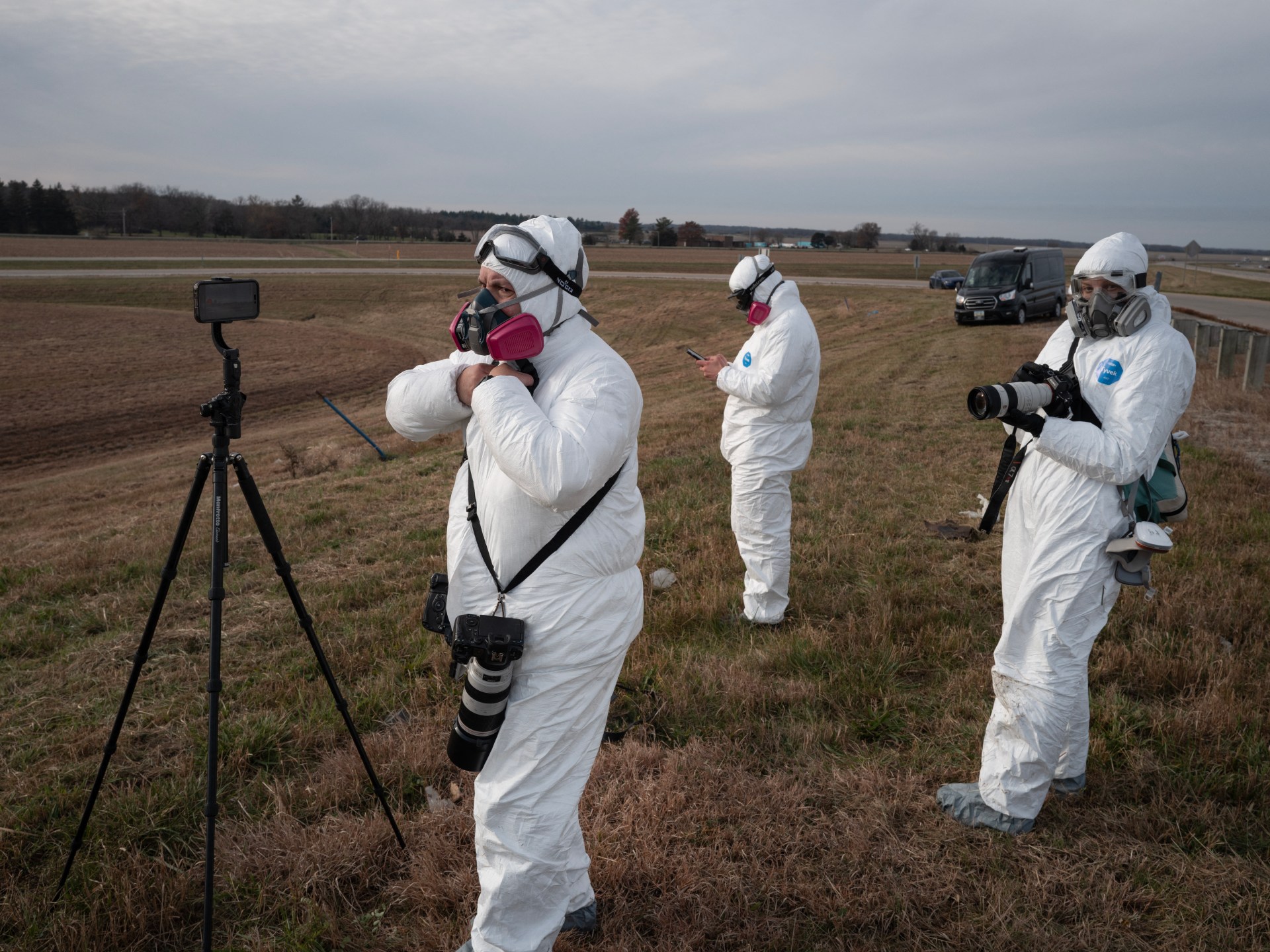
The US Environmental Protection Agency (EPA) has reported that the recent controlled detonation of five tonnes of lead azide, a highly volatile substance used for munitions, in Middletown, Iowa, did not cause an increase in contamination levels in the water sources supplying drinking water to the area. The EPA released its initial findings online over the weekend, three days after the US Army carried out the explosion at an army munitions depot. On Thursday, about 300 people collected samples from schools, playgrounds, churches, and homes across the region, with more than 1,500 samples being taken before and after the detonation. The EPA used an Xact air monitoring system to monitor for airborne lead for 30 consecutive hours following the explosion, with further updates expected in the coming days as new lab results are validated.
Lead, a heavy metal particularly harmful to children and pregnant women, is known not to break down once it enters the environment. The Army opted for an immediate detonation of the degrading stockpile due to fears that it might explode at any time as temperatures dropped. However, concerns about potential environmental contamination and insufficient communication from the federal government have been raised by residents and some elected officials. While independent experts have welcomed the initial air quality readings, they emphasize that the real measure of lead fallout will come from water, soil, and structural surface sampling, with longer analysis times required for these samples.
WHERE: Middletown, Iowa, approximately 150 miles southwest of Des Moines, the state capital.
WHEN: The controlled detonation took place on a specific day (mentioned in the original content), and initial lab results were released online on Saturday.
WHO: The US Army, US Environmental Protection Agency (EPA), residents of Middletown, some elected officials, independent experts.
WHY: To prevent potential explosion due to degradation of lead azide stockpile, to monitor for environmental contamination, and to address concerns about insufficient communication from the federal government.