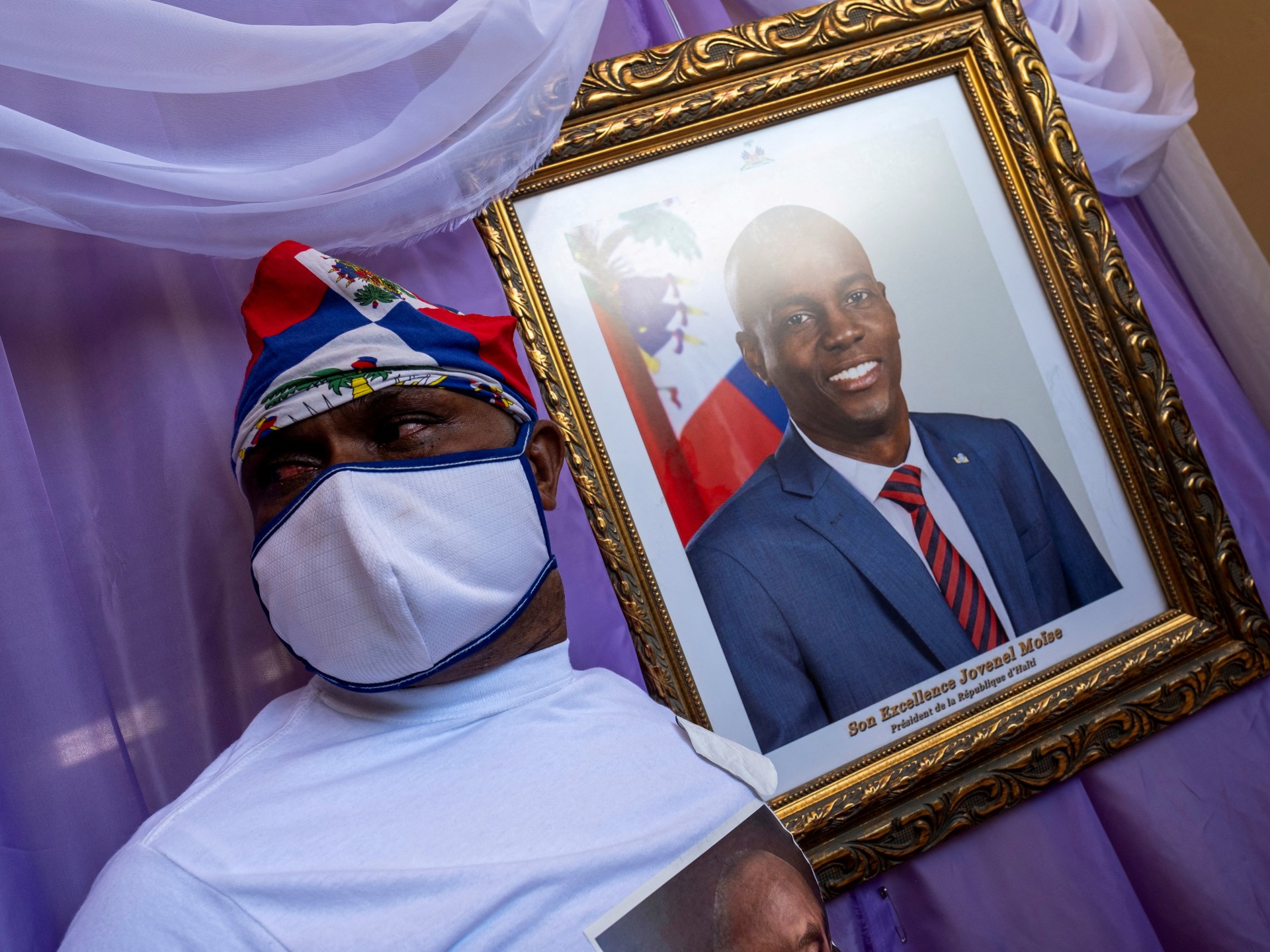
A Florida pastor with dual Haitian-American citizenship, Christian Emmanuel Sanon, has been found guilty by a federal court in Miami on charges related to the assassination of Haitian President Jovenel Moise. The verdict was delivered after an eight-week trial, and Sanon faces up to life imprisonment following his conviction on all eight charges, including conspiring to kill the Caribbean nation's president. Prosecutors allege that a plot to oust Moise involved paying approximately two dozen foreign mercenaries, using funds obtained from U.S. government programs intended for businesses during the COVID-19 pandemic. South Florida reportedly served as a hub for planning and financing the assassination conspiracy. Sanon admitted to communicating with individuals seeking to replace Moise but claimed that the group had shifted focus to another candidate before the assassination. He maintains his innocence throughout the trial and was arrested in Port-au-Prince days after the assassination. The widow of the slain president, Martine Moise, who served as a key witness, has since registered as a presidential candidate for Haiti's 2027 general election.
In related developments, more than 40 people have been charged by U.S. prosecutors with crimes linked to the assassination, and over a dozen have been convicted, including five who are serving life sentences. A new list of indictments released in September included four individuals whose names were redacted. Additionally, seven others have been charged for facilitating the funding of the assassination plot and helping those responsible evade justice after the killing, including Vitel’homme Innocent, a gang leader tied to the kidnapping of 17 U.S. and Canadian missionaries later in 2021. Haiti has not had a president since Moise's death, with armed gangs seizing control of much of the capital and surrounding regions, leading to economic, security, and humanitarian crises that have forced nearly 1.5 million people to flee their homes according to the United Nations. The situation in Haiti has resulted in over 4,595 deaths from armed violence between January and October this year, as reported by the United Nations Human Rights Office.
In a high-profile trial held in Miami, Florida, Christian Emmanuel Sanon, a pastor with dual Haitian-American citizenship, has been found guilty of charges related to the assassination of Haitian President Jovenel Moise. The plot allegedly involved paying foreign mercenaries using funds from U.S. government programs intended for businesses during the COVID-19 pandemic. South Florida served as a hub for planning and financing the conspiracy to oust Moise and install a president of the conspirators' choosing. Sanon acknowledged communicating with individuals seeking to replace Moise but claimed the group had moved on to another candidate before the assassination. The widow of the slain president, Martine Moise, is now a presidential candidate for Haiti's 2027 general election.
Over 40 people have been charged with crimes related to the assassination by U.S. prosecutors, and over a dozen have been convicted, including five who are serving life sentences. The new indictments released in September included four individuals whose names were redacted, while seven others have been charged for their roles in facilitating the funding of the assassination plot and helping those responsible evade justice after the killing. Haiti has not had a president since Moise's death due to armed gangs seizing control of much of the capital and surrounding regions. The situation has caused economic, security, and humanitarian crises, forcing nearly 1.5 million people to flee their homes according to the United Nations.
A Florida pastor with dual Haitian-American citizenship, Christian Emmanuel Sanon, has been convicted in a federal court in Miami on charges related to the assassination of Haitian President Jovenel Moise. The nearly eight-week trial revealed that South Florida was used as a hub for planning and financing the plot to oust Moise and install a president of the conspirators' choosing. Sanon, who admitted to communicating with individuals seeking to replace Moise, faces up to life imprisonment following his conviction on all eight charges, including conspiring to kill the Caribbean nation’s president.
The widow of the slain president, Martine Moise, served as a key witness in the trial and has now registered as a presidential candidate for Haiti's 2027 general election, marking the first election in more than 10 years. Over 40 people have been charged with crimes related to the assassination by U.S. prosecutors, and over a dozen have been convicted, including five who are serving life sentences. In addition, seven others have been charged for their roles in facilitating the funding of the assassination plot and helping those responsible evade justice after the killing. The situation in Haiti, with armed gangs seizing control of much of the capital and surrounding regions, has caused economic, security, and humanitarian crises, forcing nearly 1.5 million people to flee their homes according to the United Nations.