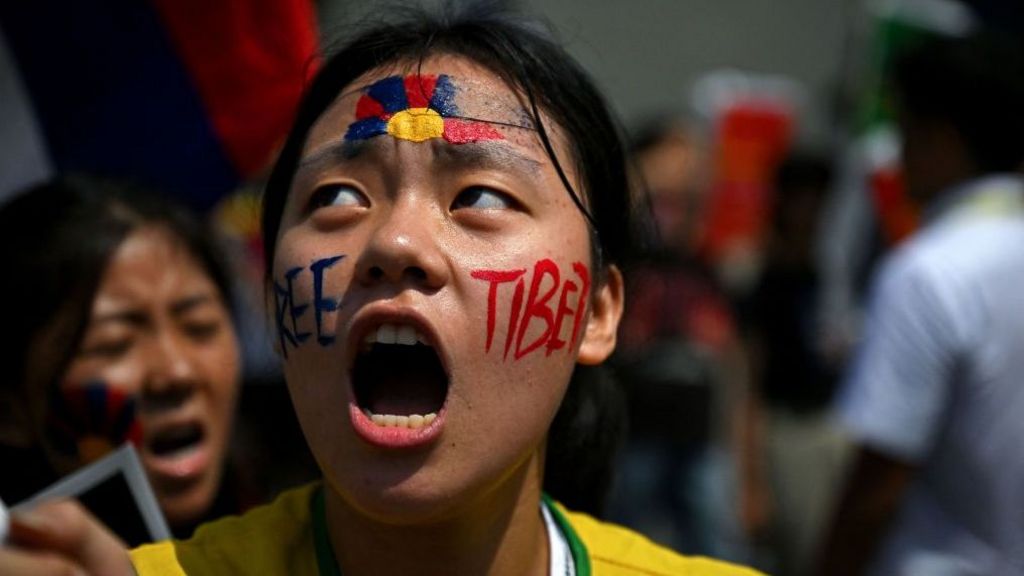
In a world where Chinese influence has expanded to include both hard and soft power, critics and activists are finding it increasingly difficult to make their voices heard. Uyghur activist Dolkun Isa, who has spent nearly three decades in exile in Germany, laments the diminishing support for his cause as the crowds protesting China's human rights abuses have dwindled from thousands to hundreds. This decline coincides with China's rapid economic growth, which has led to an increase in its global influence and a corresponding shift in foreign policy priorities away from human rights issues.
Beijing's newfound economic muscle has earned it respect abroad, but at the same time, Western governments have become more inwardly focused and populist, pushing human rights concerns down their lists of priorities. China is now using its influence not only through threats but also through offers of family reunions, money, and safety in exchange for information about networks and promotion of pro-party narratives. This tactic has resulted in a movement with fewer voices and less trust.
The Chinese government denies allegations that it is asking activists to spy on or disclose information about fellow exiles, stating that facilitating visits by overseas Chinese to reunite with their families is a normal part of consular services. However, Uyghur journalist Arslan Hidayat reports that he has interviewed at least a dozen Uyghur exiles who have been invited back to China on the condition that they provide information to Chinese agents from time to time. This trend is deeply concerning for dissidents, as it weakens their networks and undermines international pressure.
In July, Tibetan activist Lobga Rangzen set himself on fire outside the UN headquarters in New York to protest against China's new "ethnic unity law," which requires minorities, including Tibetans, to learn Mandarin. The UN called his death an "absolutely tragic" incident, but attention quickly faded. These incidents highlight the growing cost of confrontation or condemnation as China's leverage on the global stage has grown.