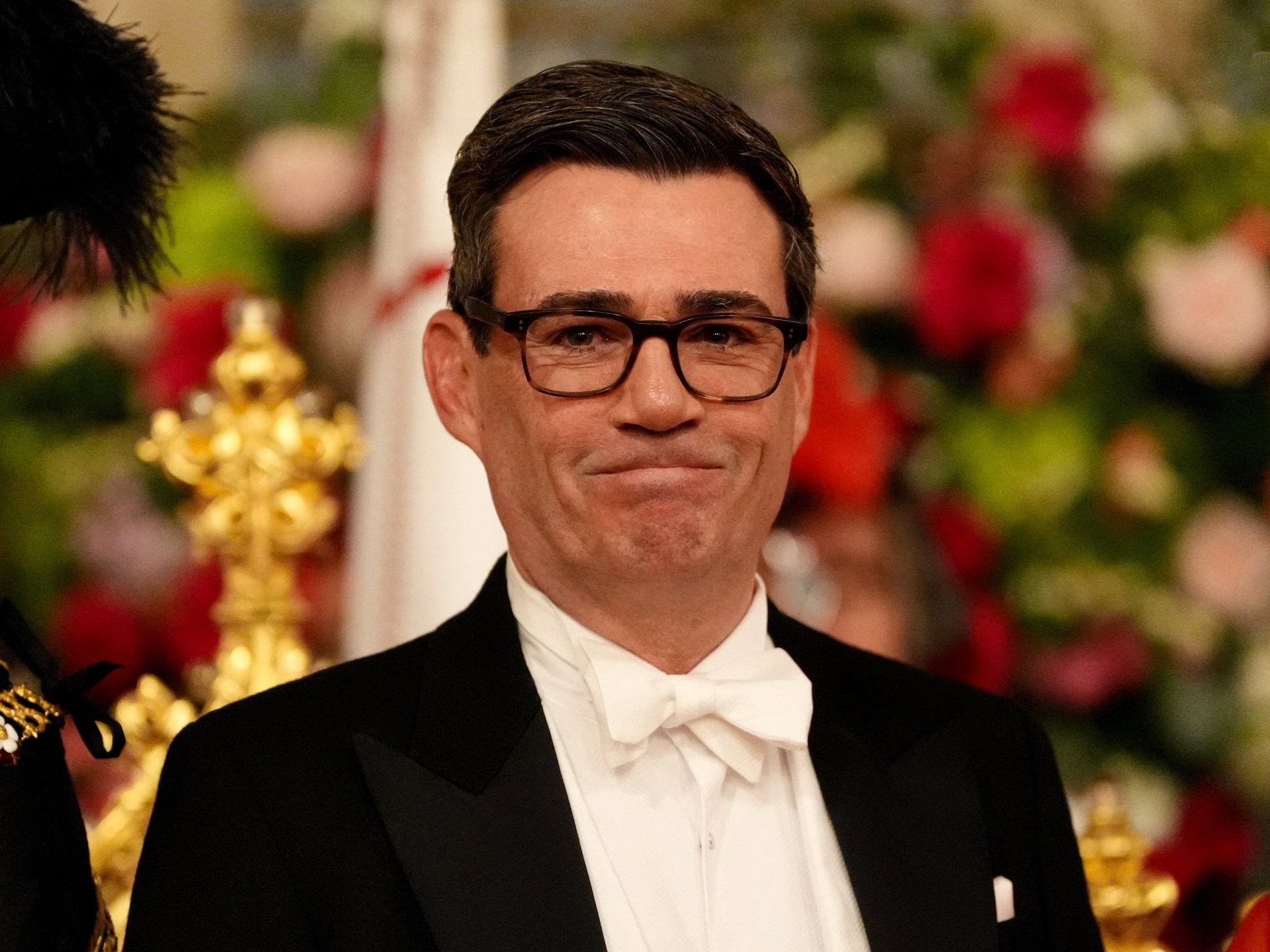
British Prime Minister Andy Burnham has called for a reevaluation of the United Kingdom's relationship with the European Union, expressing dissatisfaction with the outcomes of Brexit. In a speech at the Lord Mayor’s Banquet in London, he likened the Brexit aftermath to Hans Christian Andersen's "The Emperor's New Clothes," suggesting that no one has been willing to speak honestly about its failures. Burnham is set to attend a UK-EU summit in Brussels on Friday, where he hopes for significant improvements in regions neglected for too long. Any deal reached would need to meet three tests: it must align with Labour's manifesto and red lines, enhance the Brexit agreement to match voter expectations from 2016, and pass Burnham's Makerfield Test, a measure ensuring genuine benefits for long-neglected areas of the UK. The meeting aims to lay the groundwork for a renewed relationship with the 27-nation bloc, ten years after Brexit was first initiated and six years after its formal implementation in 2020. Discussions are expected to cover trading food and drink, energy and emissions agreements, and plans for youth mobility between the UK and EU. Burnham has criticized the unfulfilled promise of "taking back control" over borders, laws, and economy, citing a sharp decline in trade with EU countries and potential economic damage ranging from 4 to 8 percent of the UK's GDP. As the country seeks to move past a decade of political instability, Burnham emphasizes that the UK is well-positioned to lead in an era of renewed international cooperation amidst growing global isolationism and protectionism. He also warns against the potential repercussions of increased isolationism, such as weakening Europe and creating divisions within NATO, which Russia allegedly desires. Burnham plans to initiate discussions with EU partners on Britain's long-term relationship with the bloc following the Brussels summit, but stresses that no definitive outcomes have been assumed. Until the next national election, he remains bound by a pledge made by his predecessor, Keir Starmer, not to rejoin the EU's tariff-free customs union or frictionless single market for goods, services, and labor.
In a speech at the Lord Mayor’s Banquet in London, British Prime Minister Andy Burnham has criticized the outcomes of Brexit and called for a reset of the UK's relationship with the European Union. Comparing the situation to Hans Christian Andersen's "The Emperor’s New Clothes," he implied that no one has been honest about its failures. The upcoming UK-EU summit in Brussels, scheduled for Friday, could bring real improvements to regions long neglected within the country. Any deal reached would need to adhere to three tests: it must align with Labour's manifesto and red lines, improve the Brexit agreement to match voter expectations from 2016, and pass Burnham's Makerfield Test, ensuring benefits for long-neglected areas of the UK. The meeting aims to establish a renewed relationship with the 27-nation bloc, ten years after Brexit was first initiated and six years after its formal implementation in 2020. Discussions are expected to cover trading food and drink, energy and emissions agreements, and plans for youth mobility between the UK and EU. Burnham has expressed dissatisfaction with the unfulfilled promise of "taking back control" over borders, laws, and economy, citing a sharp decline in trade with EU countries and potential economic damage ranging from 4 to 8 percent of the UK's GDP. As the country seeks to move past a decade of political instability, Burnham emphasizes that the UK is well-positioned to lead in an era of renewed international cooperation amidst growing global isolationism and protectionism. He also warns against the potential repercussions of increased isolationism, such as weakening Europe and creating divisions within NATO, which Russia allegedly desires. Burnham plans to initiate discussions with EU partners on Britain's long-term relationship with the bloc following the Brussels summit, but stresses that no definitive outcomes have been assumed. Until the next national election, he remains bound by a pledge made by his predecessor, Keir Starmer, not to rejoin the EU's tariff-free customs union or frictionless single market for goods, services, and labor.
In a significant move, British Prime Minister Andy Burnham has called for a reevaluation of the United Kingdom's relationship with the European Union, expressing dissatisfaction with the outcomes of Brexit. Comparing the situation to Hans Christian Andersen's "The Emperor’s New Clothes," he implied that no one has been honest about its failures. The upcoming UK-EU summit in Brussels, scheduled for Friday, could bring real improvements to regions long neglected within the country. Any deal reached would need to adhere to three tests: it must align with Labour's manifesto and red lines, improve the Brexit agreement to match voter expectations from 2016, and pass Burnham's Makerfield Test, ensuring benefits for long-neglected areas of the UK. The meeting aims to establish a renewed relationship with the 27-nation bloc, ten years after Brexit was first initiated and six years after its formal implementation in 2020. Discussions are expected to cover trading food and drink, energy and emissions agreements, and plans for youth mobility between the UK and EU. Burnham has expressed dissatisfaction with the unfulfilled promise of "taking back control" over borders, laws, and economy, citing a sharp decline in trade with EU countries and potential economic damage ranging from 4 to 8 percent of the UK's GDP. As the country seeks to move past a decade of political instability, Burnham emphasizes that the UK is well-positioned to lead in an era of renewed international cooperation amidst growing global isolationism and protectionism. He also warns against the potential repercussions of increased isolationism, such as weakening Europe and creating divisions within NATO, which Russia allegedly desires. Burnham plans to initiate discussions with EU partners on Britain's long-term relationship with the bloc following the Brussels summit, but stresses that no definitive outcomes have been assumed. Until the next national election, he remains bound by a pledge made by his predecessor, Keir Starmer, not to rejoin the EU's tariff-free customs union or frictionless single market for goods, services, and labor.