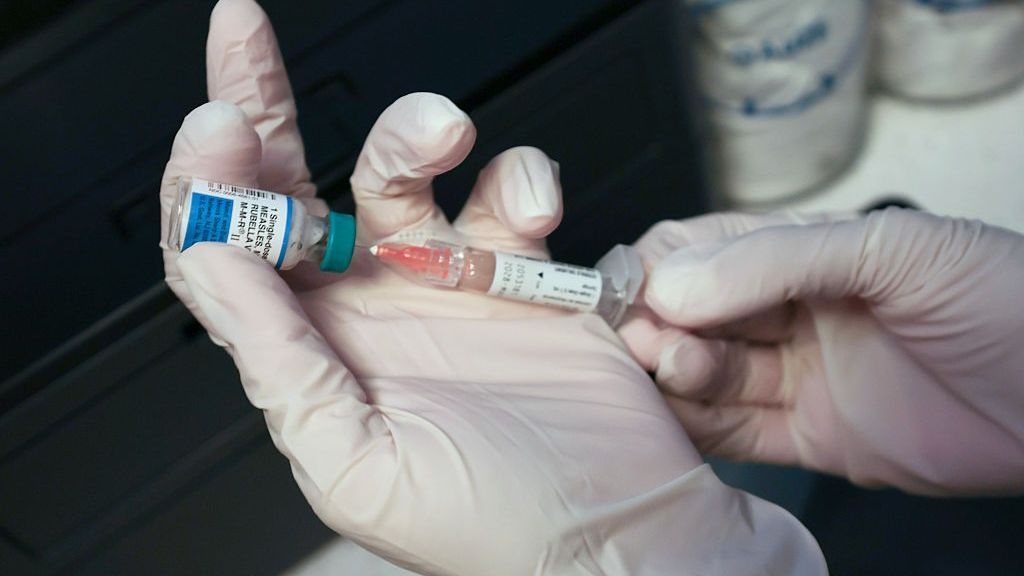
In a concerning turn of events, the United States, along with Mexico and Bolivia, have lost their measles elimination status following persistent gaps in vaccination coverage. The Pan American Health Organization (PAHO), a specialized service of the United Nations, made this determination after uninterrupted transmission of the virus for more than 12 months was observed in these countries. The US Centers for Disease Control and Prevention (CDC) reported over 5,400 measles cases and ten related deaths for the first time since the early 1990s this year alone.
The resurgence of measles across the region is attributed to inadequate vaccination rates, a situation exacerbated by vaccine skepticism and misinformation. The US Health Secretary Robert F Kennedy Jr., a known vaccine critic, has advocated for changes to US vaccine recommendations and policies, potentially contributing to the decline in vaccination rates. PAHO's director, Dr Jarbas Barbosa, emphasized that this trend is a serious warning for the region, as measles continues to resurge globally due to persistent gaps in vaccination coverage.
The CDC remains committed to stopping measles outbreaks and regaining elimination status by expanding access to vaccines and encouraging MMR (measles, mumps, and rubella) vaccination. However, the US vaccination rate for MMR has fallen below the 95% level necessary for herd immunity, leaving communities vulnerable to measles outbreaks. The declining trust in public health systems due to misinformation during the Covid-19 pandemic is believed to have played a role in this situation.
Countries such as the UK, Spain, and Austria, along with Russia, Azerbaijan, and Uzbekistan, have also lost their measles-free status this year. The loss of elimination status for these countries underscores the global challenge of maintaining high vaccination rates and ensuring public trust in vaccines to combat preventable diseases like measles.