US Public Support for Iran Conflict Wanes Amidst Rising Uncertainties and Economic Strain
A recent Reuters/Ipsos poll indicates a decline in American public support for the ongoing conflict with Iran, coinciding with President Donald Trump's record-low approval ratings.
By Global Trend Scope Desk
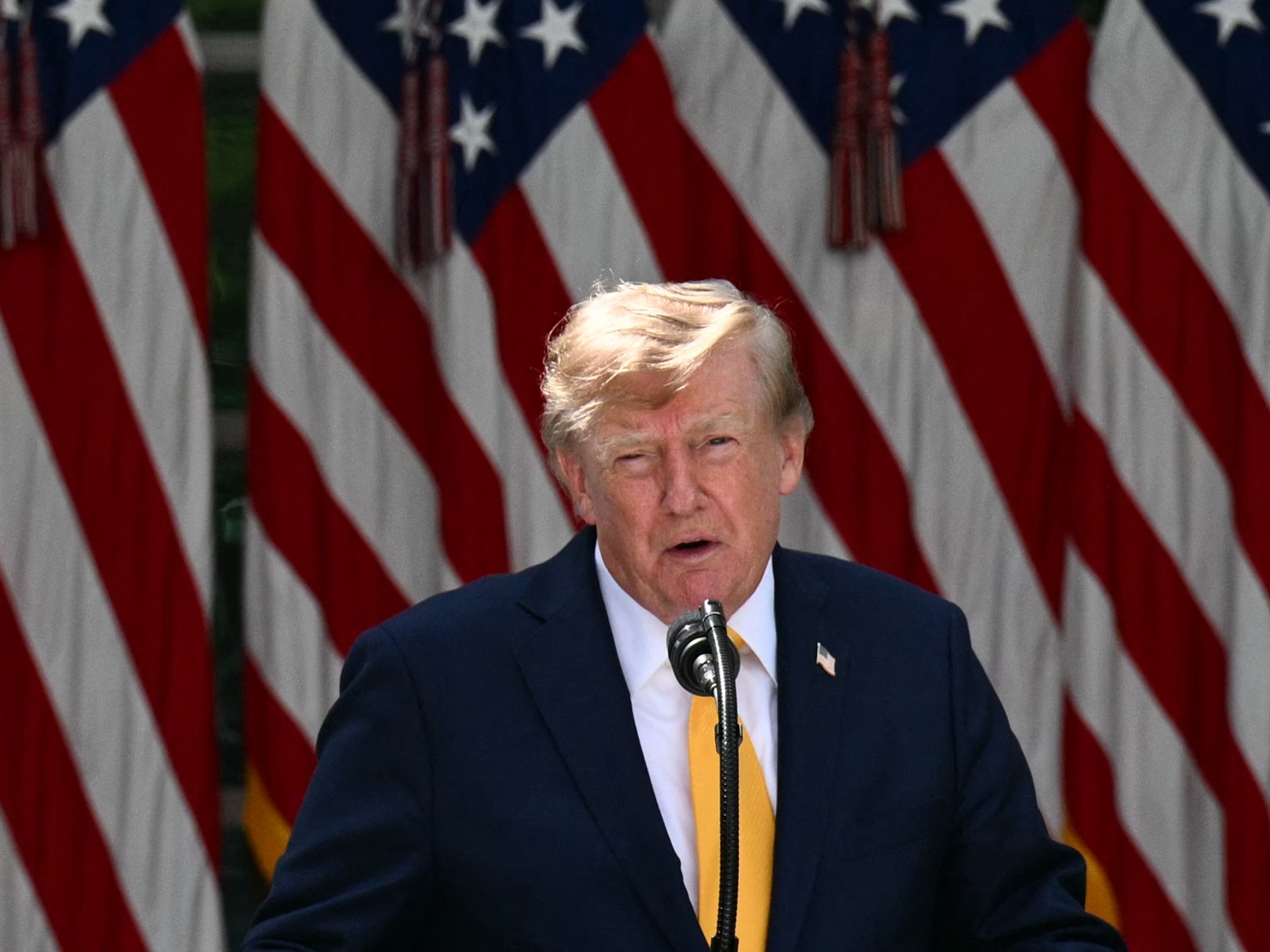
A recent Reuters/Ipsos poll indicates a decline in American public support for the ongoing conflict with Iran, coinciding with President Donald Trump's record-low approval ratings. The drop in backing can be attributed to dwindling Republican support and concerns over prolonged warfare and soaring gas prices. The survey suggests that 31% of Americans endorse military action against Iran, a figure that has decreased from 37% in March and 34% earlier this month. Republican respondents' support has dropped to 69%, down from 77% in March. The war's impact on Trump's public standing is evident, as the poll indicates consistently low approval ratings for his performance as president. For the second consecutive Reuters/Ipsos survey, 33% of respondents approve of Trump's presidency, mirroring the lowest approval rating recorded in the polling series throughout his first and second terms. The military campaign's purpose, according to Trump, is to prevent Iran from developing a nuclear weapon, yet its economic consequences remain a significant concern for Americans. Iran has imposed an unofficial blockade on oil exports from the region, leading to near-record high gas prices in the United States. Additionally, the Trump administration has pledged to intensify economic pressure on Iran by targeting all of their revenue sources, including oil. This campaign, known as "Operation Economic Outcast," aims to discourage other countries and companies from conducting business with Tehran. The poll suggests that a growing majority of Americans anticipate the conflict will persist for an extended period, with 83% believing it will continue for some time, up from 80% earlier this month. This prospect presents a challenge for Trump, who had promised during his 2024 presidential campaign to combat inflation and adopt an "America First" strategy that minimizes foreign military engagements. With gas prices more than $1 per gallon (3.8 litres) higher than before the war, economic pressure is mounting ahead of November's midterm elections. This increase in fuel costs could pose difficulties for Republicans defending narrow congressional majorities. The poll further indicates that independent voters lean towards Democrats over Republicans when asked which party they would support in a congressional election held today. Among independents, 33% said they would vote for a Democrat, compared to 19% who favor a Republican. The Reuters/Ipsos survey questioned 1,215 adults across the United States over four days, with a margin of error of 3 percentage points in either direction.
Filed underConflict
More stories
Conflict
Deadly Backpack Bombing Rattles Northern Spain, Prompting Wide-scale Manhunt
Global Trend Scope Desk
Conflict
DR Congo Court Imposes Death Sentences on Soldiers for Desertion and Mutiny
Global Trend Scope Desk
Conflict
Americans Shift Away from Pro-War Candidates, Prioritizing Economic Stability over Military Conflicts
Global Trend Scope Desk
Conflict
Global Energy Crisis Escalates as Saudi Arabia Intercepts Houthi Missiles Targeting Key Infrastructure
Global Trend Scope Desk
Conflict
House Resolution Introduced to Impeach Defense Secretary Hegseth Over Alleged Constitutional Violations
Global Trend Scope Desk
Conflict
US Agencies Collaborate to Enhance Counter-Drone Measures Globally
Global Trend Scope Desk