Global Energy Crisis Escalates as Saudi Arabia Intercepts Houthi Missiles Targeting Key Infrastructure
In a significant escalation of the ongoing conflict, Saudi Arabia's air defense forces have successfully intercepted multiple missiles aimed at its capital, Riyadh, and southern region, following a…
By Global Trend Scope Desk
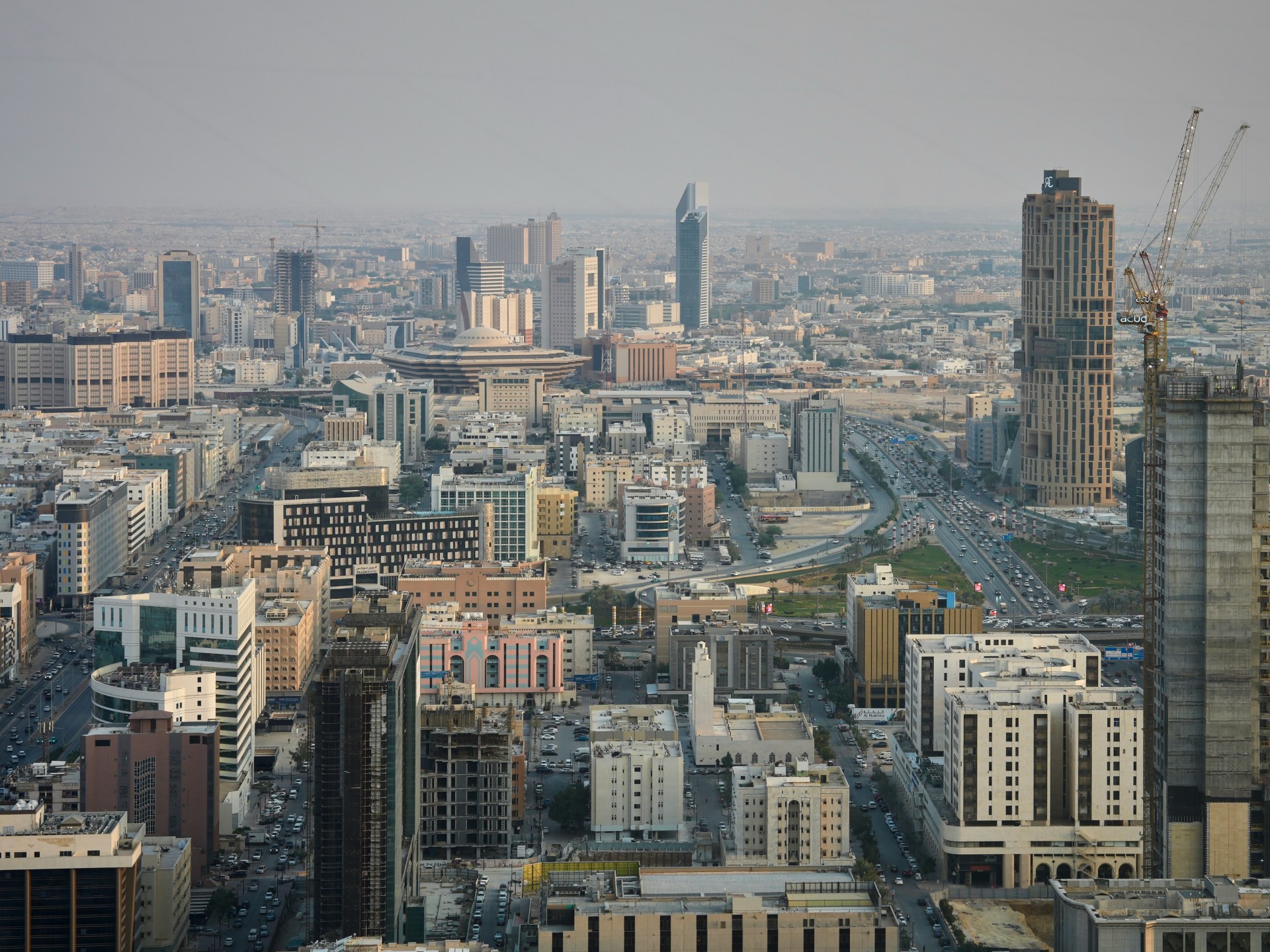
In a significant escalation of the ongoing conflict, Saudi Arabia's air defense forces have successfully intercepted multiple missiles aimed at its capital, Riyadh, and southern region, following a reported attack on the vital East-West oil pipeline. The attacks, attributed to the Iran-backed Houthi rebels in Yemen, come as part of an intensifying series of exchanges between the Houthis and Saudi Arabia's internationally recognized government. On Tuesday, two ballistic missiles and a cruise missile were intercepted over Riyadh, while another ballistic missile was downed in the south. The Houthis have not yet commented on these attacks, but they have been repeatedly striking Saudi oil infrastructure with drones and missiles. Meanwhile, the Houthi-controlled Yemeni capital, Sanaa, has reported air strikes from the Saudi-led coalition, targeting facilities like the al-Mufazir gas facility and a state oil company building in Sanaa. The Houthis have also claimed responsibility for an attack on Riyadh's business district on Sunday, causing minor damage to the Aramco Tower. As the war between Iran and Saudi Arabia continues to fuel a global energy crisis, these attacks are likely to exert further pressure on oil markets and global energy supplies. The pipeline, a crucial route for Saudi oil exports, has been targeted several times due to Tehran's restrictions in the Strait of Hormuz following the US-Israel war against Iran. Despite the reported limited impact of these attacks on the pipeline operations, the ongoing aggression underscores the volatile nature of the region and the potential for further disruptions to global energy supplies.
Filed underConflict
More stories
Conflict
Deadly Backpack Bombing Rattles Northern Spain, Prompting Wide-scale Manhunt
Global Trend Scope Desk
Conflict
DR Congo Court Imposes Death Sentences on Soldiers for Desertion and Mutiny
Global Trend Scope Desk
Conflict
Americans Shift Away from Pro-War Candidates, Prioritizing Economic Stability over Military Conflicts
Global Trend Scope Desk
Conflict
House Resolution Introduced to Impeach Defense Secretary Hegseth Over Alleged Constitutional Violations
Global Trend Scope Desk
Conflict
US Agencies Collaborate to Enhance Counter-Drone Measures Globally
Global Trend Scope Desk
Conflict
Yemeni Rebels Intensify Airstrikes on Saudi Arabia, Targeting Key Infrastructure and Civilians
Global Trend Scope Desk