US Appeals Court Greenlights Trump Administration to Revise Slavery Narrative at George Washington's Home
In a recent decision, a three-judge panel of the U.S. 3rd Circuit Court of Appeals has allowed the Trump administration to reinstate interpretive panels at President George Washington's residence in…
By Global Trend Scope Desk
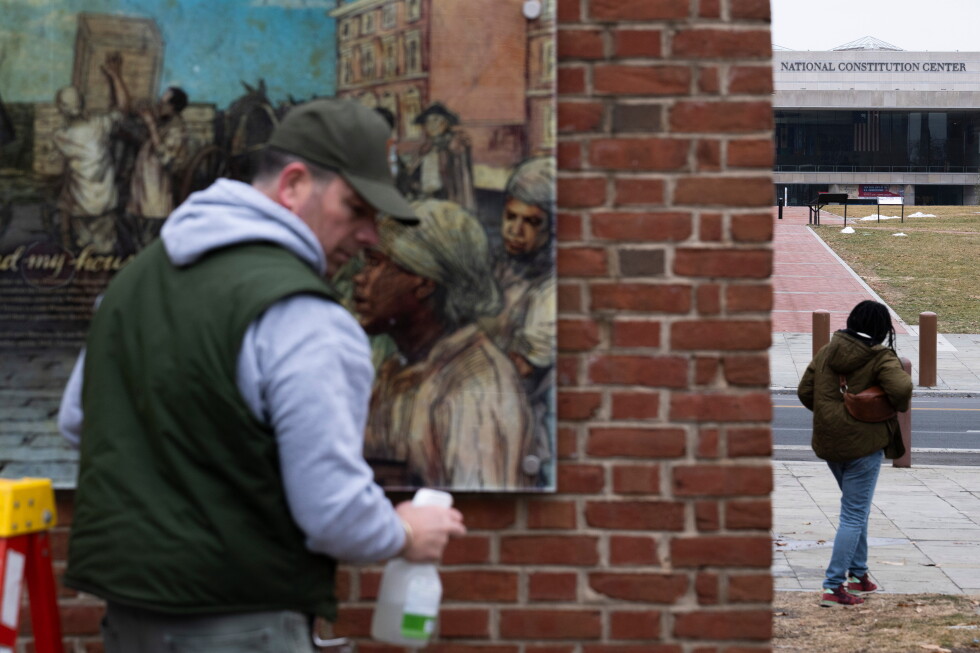
In a recent decision, a three-judge panel of the U.S. 3rd Circuit Court of Appeals has allowed the Trump administration to reinstate interpretive panels at President George Washington's residence in Philadelphia. These panels, critics contend, gloss over the history of slavery. The new educational displays were intended to replace those installed in 2010, which highlighted the presence of nine slaves in the household during the temporary U.S. capital's tenure. The administration's move stems from a 2025 executive order that forbids federally-owned historic sites from exhibiting information that "disparages" American history. The ruling, issued by a judge nominated by Trump himself, along with two others appointed by former presidents George W. Bush and Barack Obama, overturned a lower court decision ordering the removal of the new panels. The government has requested immediate installation of these revised panels, citing their readiness for display. However, advocates, academics, and city officials have expressed concern that the revised panels may gloss over the nation's painful past in favor of a more triumphant narrative. While the new panels do contain information about enslaved people who lived there, they lack some details found in the earlier ones, such as maps of slave trade routes and timelines on slavery. The City of Philadelphia, which filed a lawsuit over the removal of the previous information, has requested a temporary halt to the installation of the new panels, arguing that it would undermine the site's historical significance. Half of the original panels were reinstalled earlier this year before a court ordered a stop to the work.
Filed underPolitics
More stories
Politics
Trump Signals De-escalation with Iran, Hints at Negotiations for Regional Peace
Global Trend Scope Desk
Politics
Cameroon Announces Long-Awaited Legislative and Local Elections for February 2023
Global Trend Scope Desk
Politics
Accusations of Model Agency's Role in Putting Abuse Victim at Risk Emerge Amidst Epstein Inquiry
Global Trend Scope Desk
Politics
US-Iran Conflict: Trump Signals Potential De-escalation, Amid Middle Eastern Allies' Pressure for Status Quo
Global Trend Scope Desk
Politics
Supreme Court Clears Path for Border Wall Construction in Big Bend National Park
Global Trend Scope Desk
Politics
Massie Pursues Impeachment Vote on Defense Secretary Hegseth to Check Executive Overreach
Global Trend Scope Desk