Supreme Court Clears Path for Border Wall Construction in Big Bend National Park
The United States Supreme Court has given the green light to the Trump administration's plans to construct a border wall in a remote section of Big Bend National Park, West Texas.
By Global Trend Scope Desk
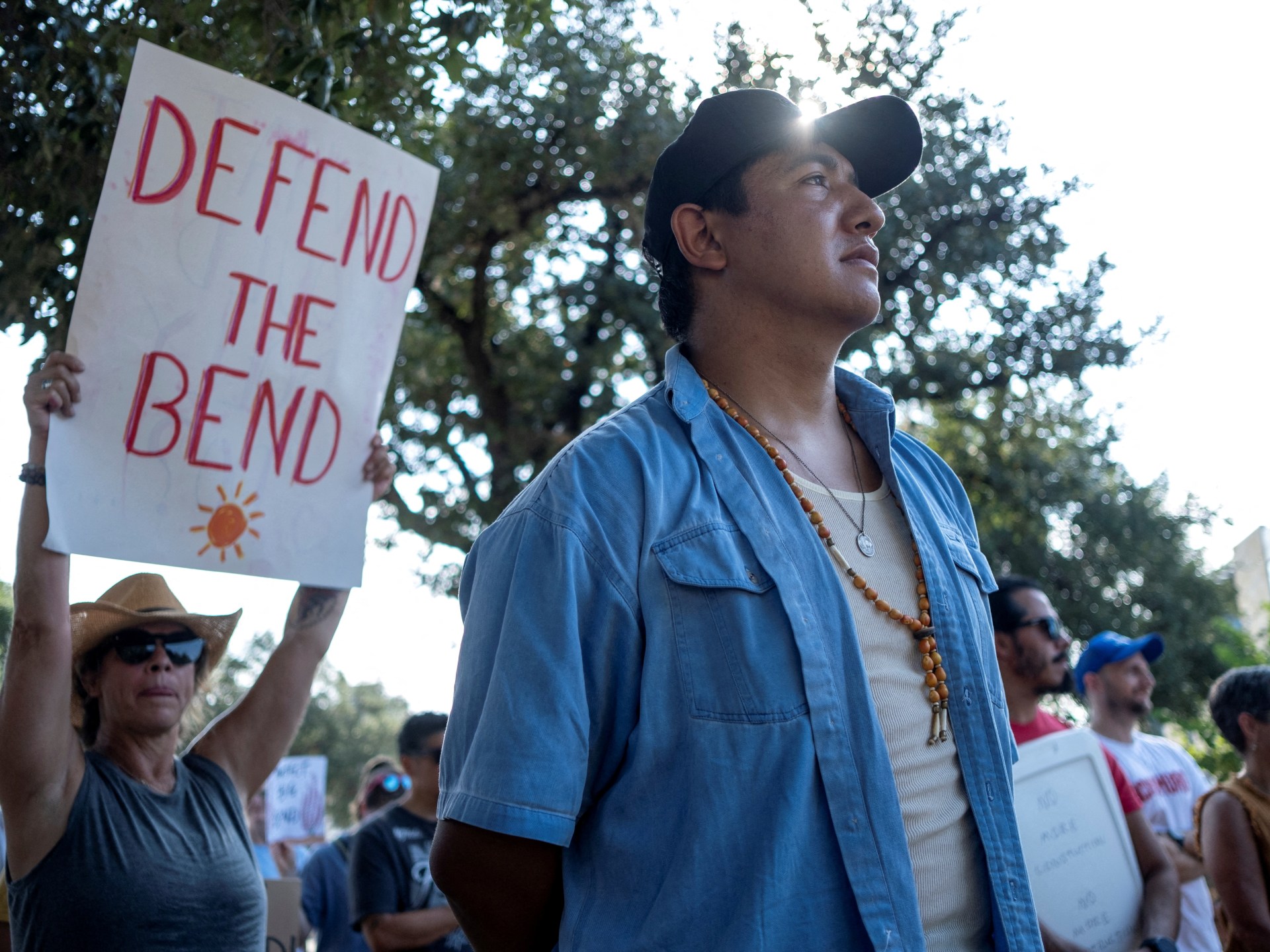
The United States Supreme Court has given the green light to the Trump administration's plans to construct a border wall in a remote section of Big Bend National Park, West Texas. In a decision on Monday, the court lifted an injunction that had halted construction, stating it impedes the government's "compelling interests" in border security and integrity. The move is part of President Trump's long-standing initiative to restrict immigration into the U.S., with the border wall serving as a signature component of his presidential platform. However, the decision has faced pushback from conservationists, local officials, and some members of Trump's own Republican Party due to concerns about the ecological and cultural disruption it may cause in the park, which is home to endangered species like the Mexican long-nosed bat. The administration argues that the project is essential for national security and immigration control, with the Big Bend area being depicted as a major artery for irregular border crossings and drug trafficking. However, U.S. District Judge Kathleen Cardone previously blocked construction, stating that while the Big Bend sector makes up over 25 percent of the U.S.-Mexico border, it accounts for only a small percentage of migrant apprehensions. The Supreme Court ruled in favor of the government's argument that lower courts lack jurisdiction under the 1996 Illegal Immigration Reform and Immigrant Responsibility Act to rule on border barriers, limiting their ability to hear claims alleging violations of the U.S. Constitution. Justice Ketanji Brown Jackson was the only justice to indicate she would have denied the government's request, without providing an explanation for her reasoning. The lawsuit challenging the waivers used by the Department of Homeland Security to fast-track border construction and sidestep environmental and conservation laws was brought by organizations such as the Center for Biological Diversity, Friends of the Ruidosa Church, a local river guide, and landowner. Without these waivers, construction would have to comply with laws like the Endangered Species Act, the National Environmental Policy Act, and the National Historic Preservation Act to alter the landscape in "one of the most remote and ecologically and culturally significant landscapes in the United States".
Filed underPolitics
More stories
Politics
Trump Signals De-escalation with Iran, Hints at Negotiations for Regional Peace
Global Trend Scope Desk
Politics
Cameroon Announces Long-Awaited Legislative and Local Elections for February 2023
Global Trend Scope Desk
Politics
Accusations of Model Agency's Role in Putting Abuse Victim at Risk Emerge Amidst Epstein Inquiry
Global Trend Scope Desk
Politics
US-Iran Conflict: Trump Signals Potential De-escalation, Amid Middle Eastern Allies' Pressure for Status Quo
Global Trend Scope Desk
Politics
Massie Pursues Impeachment Vote on Defense Secretary Hegseth to Check Executive Overreach
Global Trend Scope Desk
Politics
Trump Questions Midterm Election Integrity, Despite Previous Statements on Results Acceptance
Global Trend Scope Desk