Trump Administration's 'Intelligence-Led Barrier System': A $46 Billion Surveillance and Technology-Enhanced Border Strategy
In a significant development, the Trump administration is expediting the construction of a sophisticated "intelligence-led barrier system" along the U.S.-Mexico border, blending 30-foot-tall steel…
By Global Trend Scope Desk
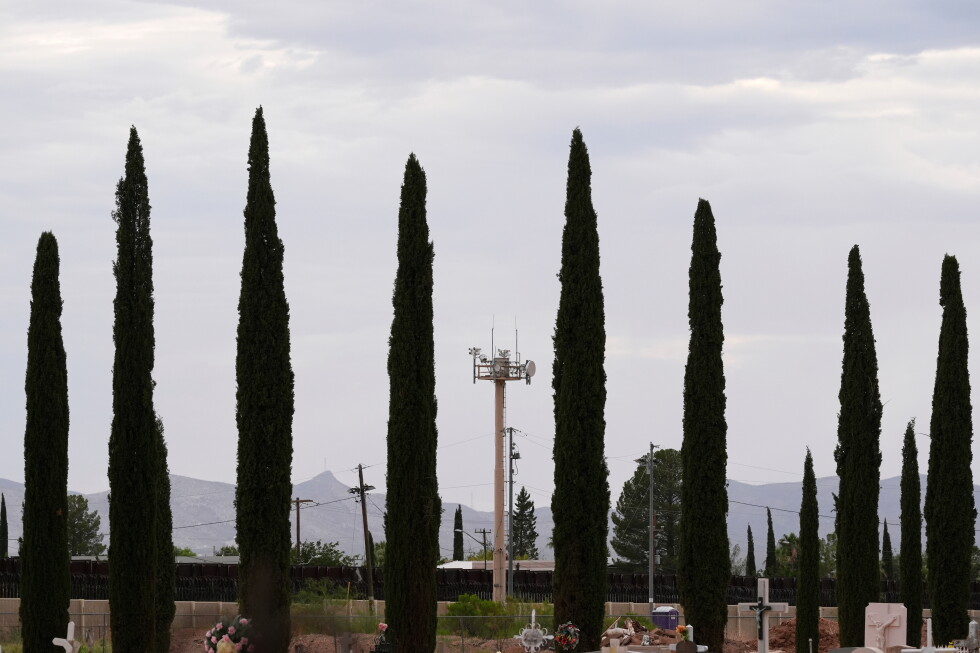
In a significant development, the Trump administration is expediting the construction of a sophisticated "intelligence-led barrier system" along the U.S.-Mexico border, blending 30-foot-tall steel fencing with advanced technology such as sensors, cameras, and towers for enhanced surveillance. The project, which has sparked debate over its astronomical cost at a time when border crossings are at their lowest in decades, is anticipated to be completed by the end of next year, according to Homeland Security Secretary Markwayne Mullin. Critics argue that this initiative amounts to militarization and poses threats to local communities due to potential privacy intrusions and the displacement of migrants towards more dangerous routes. The technology-enhanced barrier aims to augment border patrol agents' capabilities by optimizing resource allocation, as asserted by Customs and Border Protection Commissioner Rodney Scott during recent congressional testimony. Since Trump's reinstatement in office last year, CBP has secured contracts worth tens of billions of dollars for the project, with 74 miles already constructed and plans to build hundreds more. The unbuilt sections will feature ground sensors and towers due to the existing rugged terrain acting as a natural barrier. Additionally, technology is being retrofitted onto previously built walls, along with the addition of lights and roads, particularly in long stretches of river in Texas. However, concerns over privacy rights, surveillance intrusions on private property, and the creation of hostile environments for locals and migrants persist among advocacy groups such as the Southern Border Communities Coalition and the Electronic Frontier Foundation.
Filed underPolitics
More stories
Politics
Trump Signals De-escalation with Iran, Hints at Negotiations for Regional Peace
Global Trend Scope Desk
Politics
Cameroon Announces Long-Awaited Legislative and Local Elections for February 2023
Global Trend Scope Desk
Politics
Accusations of Model Agency's Role in Putting Abuse Victim at Risk Emerge Amidst Epstein Inquiry
Global Trend Scope Desk
Politics
US-Iran Conflict: Trump Signals Potential De-escalation, Amid Middle Eastern Allies' Pressure for Status Quo
Global Trend Scope Desk
Politics
Supreme Court Clears Path for Border Wall Construction in Big Bend National Park
Global Trend Scope Desk
Politics
Massie Pursues Impeachment Vote on Defense Secretary Hegseth to Check Executive Overreach
Global Trend Scope Desk