Supreme Court Clears Path for Potential Mail Voting Restrictions Ahead of Midterms, Sparking Legal Controversy
In a recent decision, the U.S. Supreme Court has opened the door for potential implementation of mail-voting restrictions proposed by President Donald Trump's executive order, although it remains…
By Global Trend Scope Desk
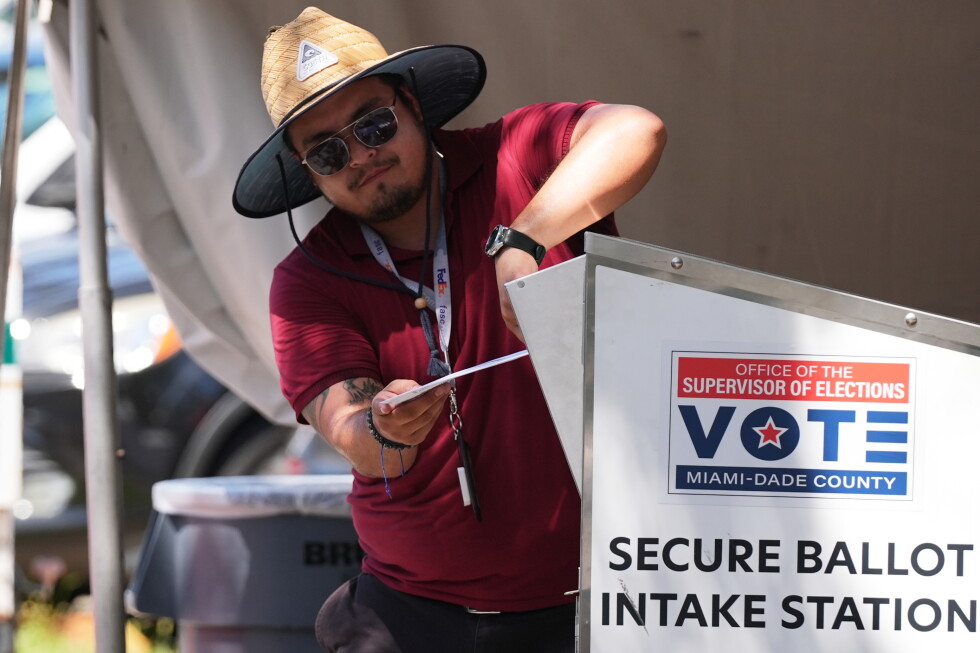
In a recent decision, the U.S. Supreme Court has opened the door for potential implementation of mail-voting restrictions proposed by President Donald Trump's executive order, although it remains uncertain how much can be implemented before the upcoming midterm elections. The conservative majority in the court ruled that states challenging the order did not have the legal right to do so, leaving room for further legal challenges that could potentially slow the implementation process. Mail balloting has long been a contentious issue for Trump, who claims it encourages fraud, despite strong evidence to the contrary. The executive order, signed in March, calls for the creation of lists of eligible voters and for the U.S. Postal Service to deliver mail ballots only to those on the lists. However, time is running short, and states like North Carolina have already begun sending out ballots for overseas and military voters. Democratic officials in 23 states and the District of Columbia have sued to block the order, arguing that it infringes upon states' and Congress' constitutional power to run elections and could lead to chaos and partisan abuse. The court's decision has sparked promises of further legal fights from state officials, with New York Attorney General Letitia James calling it a "painful setback." Meanwhile, the administration is expected to begin action to restrict mail voting, but this could lead to more litigation that could potentially freeze the federal government. This development comes as mail balloting has become increasingly significant amidst concerns over voter safety and accessibility during the COVID-19 pandemic.
Filed underPolitics
More stories
Politics
Trump Signals De-escalation with Iran, Hints at Negotiations for Regional Peace
Global Trend Scope Desk
Politics
Cameroon Announces Long-Awaited Legislative and Local Elections for February 2023
Global Trend Scope Desk
Politics
Accusations of Model Agency's Role in Putting Abuse Victim at Risk Emerge Amidst Epstein Inquiry
Global Trend Scope Desk
Politics
US-Iran Conflict: Trump Signals Potential De-escalation, Amid Middle Eastern Allies' Pressure for Status Quo
Global Trend Scope Desk
Politics
Supreme Court Clears Path for Border Wall Construction in Big Bend National Park
Global Trend Scope Desk
Politics
Massie Pursues Impeachment Vote on Defense Secretary Hegseth to Check Executive Overreach
Global Trend Scope Desk