Sudan's Evolving Warfront: Military Advances, Defections, and Political Maneuvers Shaping a New Political Landscape
Recent developments in Sudan's conflict are signaling a potential shift in the nation's war, with the Sudanese Armed Forces (SAF) making territorial gains in North Kordofan state, the Rapid Support…
By Global Trend Scope Desk
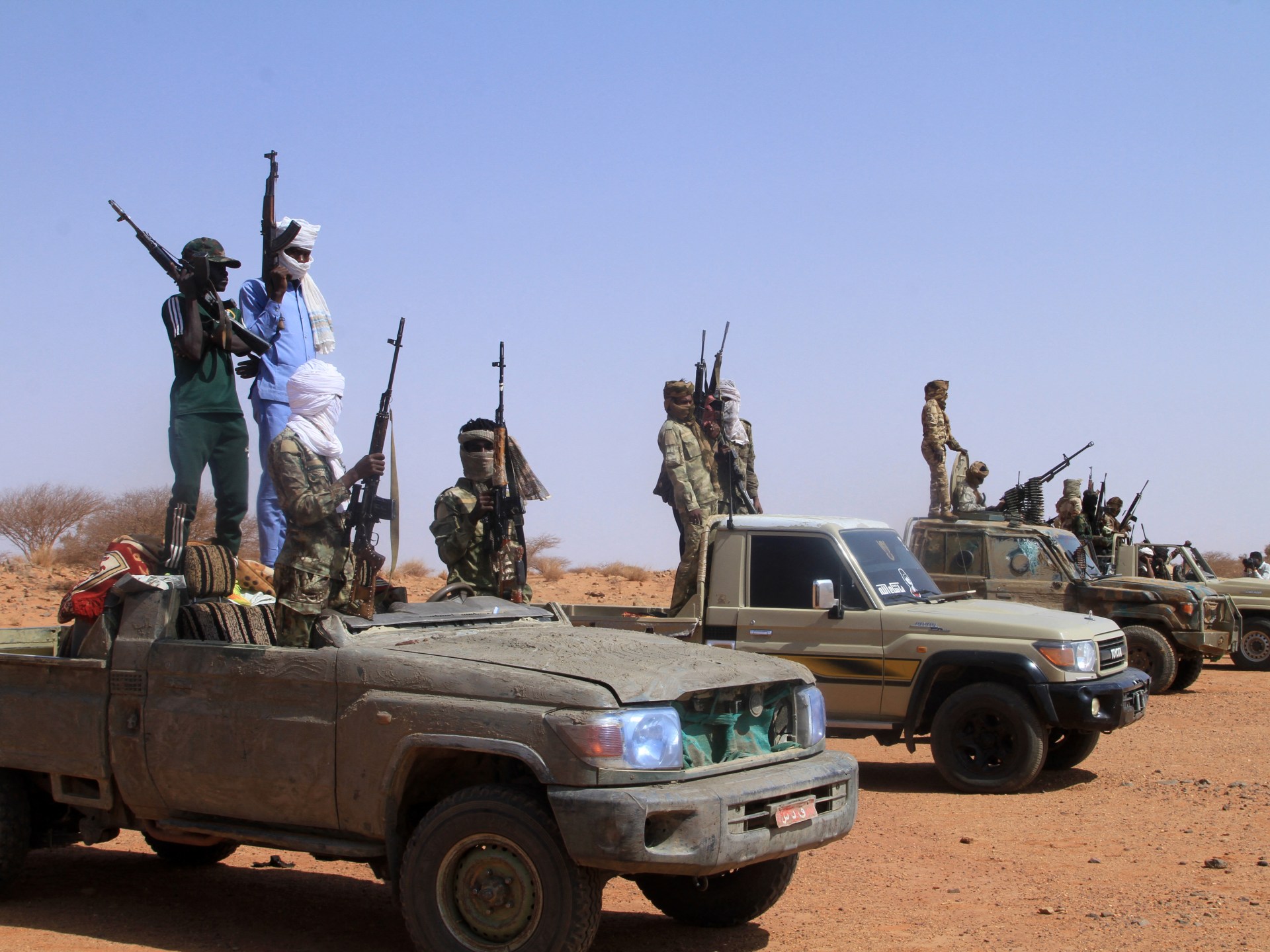
Recent developments in Sudan's conflict are signaling a potential shift in the nation's war, with the Sudanese Armed Forces (SAF) making territorial gains in North Kordofan state, the Rapid Support Forces (RSF) experiencing an escalating wave of defections, and army chief General Abdel Fattah al-Burhan spearheading political initiatives. Army advances, particularly the capture of key routes like the National Exports Road, have added pressure on RSF supply lines and strengthened the SAF's position in North Kordofan. The rising defections from the RSF are being linked to a combination of factors, including internal issues within the force, social and tribal dynamics, and the impact of military pressure. The political initiative by al-Burhan seeks to establish a national dialogue, offering temporary immunity and guarantees to participants, while the military campaign continues with the aim of dismantling rebel groups. However, the RSF's collapse is not imminent, as the trend in defections does not necessarily indicate organizational breakdown. Al-Burhan emphasizes that peace talks exclude the RSF and the conflict will persist until the rebellion ends. The government remains resolute in its stance, with Malik Agar, deputy chairman of the Transitional Sovereignty Council, articulating the government's position more explicitly.
Filed underPolitics
More stories
Politics
Trump Signals De-escalation with Iran, Hints at Negotiations for Regional Peace
Global Trend Scope Desk
Politics
Cameroon Announces Long-Awaited Legislative and Local Elections for February 2023
Global Trend Scope Desk
Politics
Accusations of Model Agency's Role in Putting Abuse Victim at Risk Emerge Amidst Epstein Inquiry
Global Trend Scope Desk
Politics
US-Iran Conflict: Trump Signals Potential De-escalation, Amid Middle Eastern Allies' Pressure for Status Quo
Global Trend Scope Desk
Politics
Supreme Court Clears Path for Border Wall Construction in Big Bend National Park
Global Trend Scope Desk
Politics
Massie Pursues Impeachment Vote on Defense Secretary Hegseth to Check Executive Overreach
Global Trend Scope Desk