Pro-Palestine Activism Resurging in US Elections: A Long-Term Victory Narrative
In a series of recent electoral victories, pro-Palestine candidates have made significant strides in the United States, indicating that activism's success may be more effectively measured in the…
By Global Trend Scope Desk
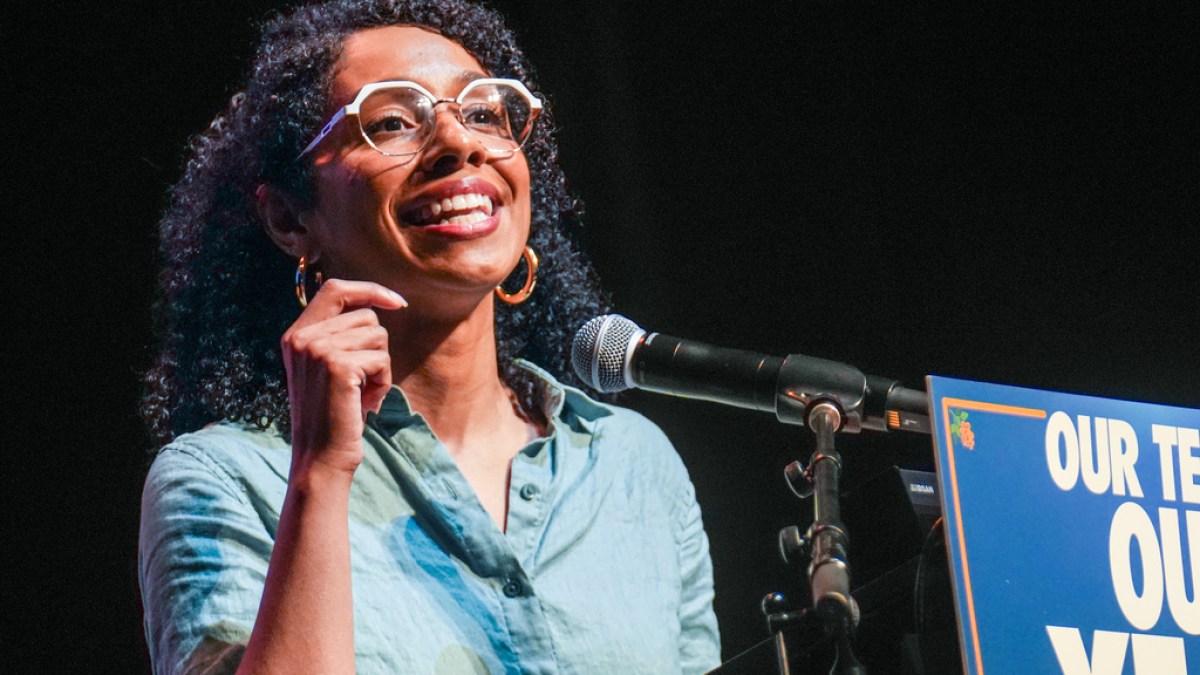
In a series of recent electoral victories, pro-Palestine candidates have made significant strides in the United States, indicating that activism's success may be more effectively measured in the long term. Darializa Avila Chevalier, a former student activist at Columbia University who participated in pro-Palestine protests, won a Democratic congressional primary against a five-term incumbent. This win, along with several others in New York, Colorado, Pennsylvania, and New Jersey, suggests that public opinion has shifted in favor of Palestinian rights. The movement traces its roots to 2024 when students at Columbia University set up the first encampment in support of Palestinians, sparking a national movement. Despite facing arrests, academic disciplinary action, and smear campaigns, these student activists have managed to foster a "new wave of hope" with their efforts. Avila Chevalier's victory is particularly significant as she is likely to represent large parts of Columbia University's campus, where the protests originated. This election season has provided activists with renewed optimism, demonstrating that despite facing immense repression and operating in a hostile environment, grassroots movements can still achieve remarkable results over time.
Filed underPolitics
More stories
Politics
Trump Signals De-escalation with Iran, Hints at Negotiations for Regional Peace
Global Trend Scope Desk
Politics
Cameroon Announces Long-Awaited Legislative and Local Elections for February 2023
Global Trend Scope Desk
Politics
Accusations of Model Agency's Role in Putting Abuse Victim at Risk Emerge Amidst Epstein Inquiry
Global Trend Scope Desk
Politics
US-Iran Conflict: Trump Signals Potential De-escalation, Amid Middle Eastern Allies' Pressure for Status Quo
Global Trend Scope Desk
Politics
Supreme Court Clears Path for Border Wall Construction in Big Bend National Park
Global Trend Scope Desk
Politics
Massie Pursues Impeachment Vote on Defense Secretary Hegseth to Check Executive Overreach
Global Trend Scope Desk