Morocco's Football Minister Lekjaa's Political Move Signals Shift in National Politics
As Morocco gears up for parliamentary elections on September 23, the political landscape is evolving, with public figures like Fouzi Lekjaa, the minister delegate for budget and president of the…
By Global Trend Scope Desk
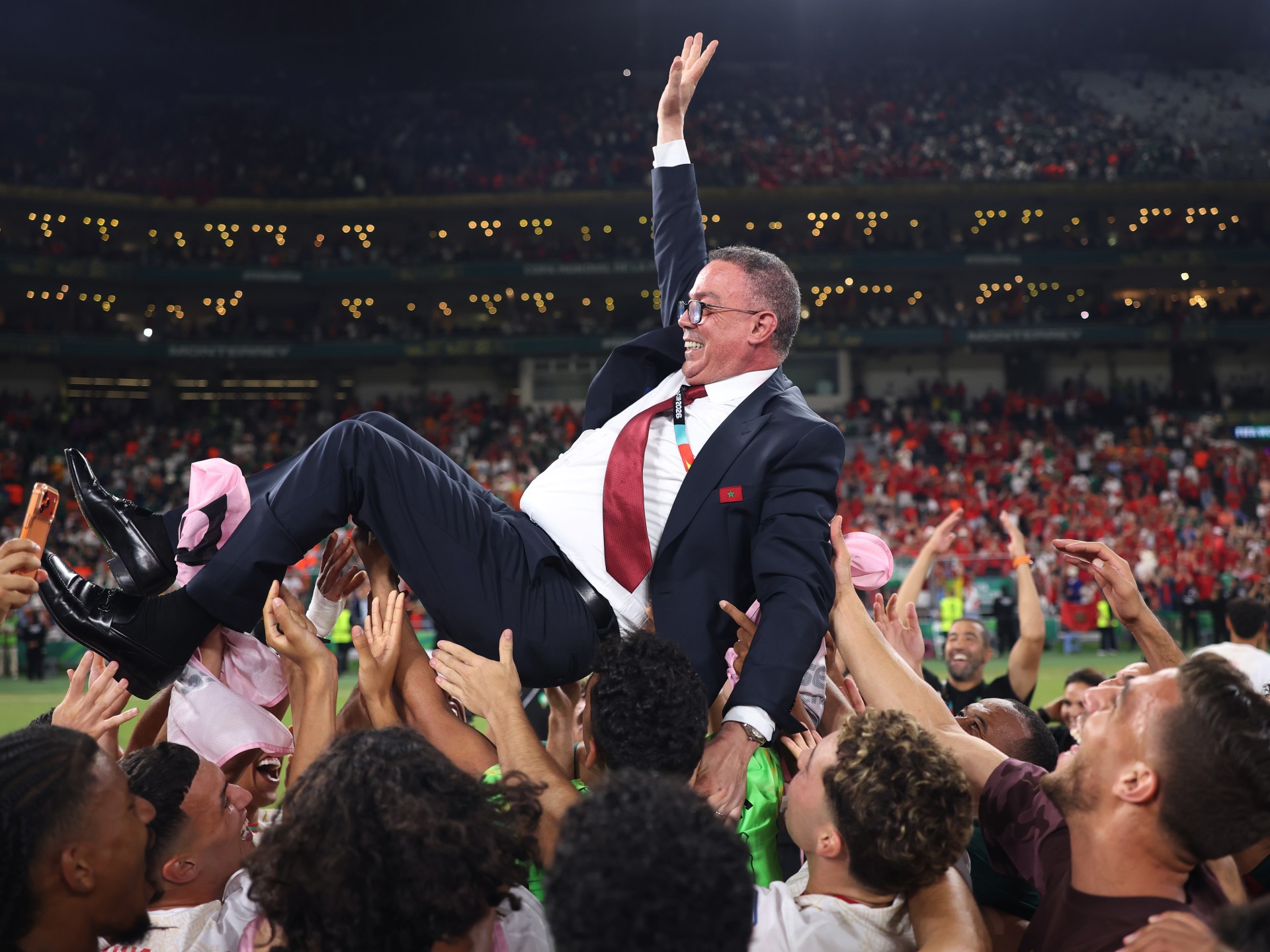
As Morocco gears up for parliamentary elections on September 23, the political landscape is evolving, with public figures like Fouzi Lekjaa, the minister delegate for budget and president of the Royal Moroccan Football Federation (FRMF), entering partisan politics. Lekjaa's recent affiliation with the Authenticity and Modernity Party (PAM) has sparked intense debate, as he is seen as a symbol of managerial competence and national prestige in Morocco's political sphere. His move reflects a broader trend where successful public officials are becoming increasingly important sources of political legitimacy. With the upcoming 2030 FIFA World Cup co-hosting opportunity looming, Lekjaa's influence over major infrastructure projects and football renaissance has positioned him as a potential asset for the next administration. However, this trend raises questions about the role of political parties in nurturing future leaders and fostering citizen engagement. The growing personification of politics is also evident in the increasing scepticism towards traditional party structures among younger Moroccans, with many expressing their concerns through social media activism and protests. Despite no official confirmation, speculation surrounds Lekjaa's potential role as head of government post-elections, drawing parallels with Prime Minister Aziz Akhannouch, who also entered partisan politics after building his reputation outside traditional party structures, potentially raising questions about internal party democracy.
Filed underPolitics
More stories
Politics
Trump Signals De-escalation with Iran, Hints at Negotiations for Regional Peace
Global Trend Scope Desk
Politics
Cameroon Announces Long-Awaited Legislative and Local Elections for February 2023
Global Trend Scope Desk
Politics
Accusations of Model Agency's Role in Putting Abuse Victim at Risk Emerge Amidst Epstein Inquiry
Global Trend Scope Desk
Politics
US-Iran Conflict: Trump Signals Potential De-escalation, Amid Middle Eastern Allies' Pressure for Status Quo
Global Trend Scope Desk
Politics
Supreme Court Clears Path for Border Wall Construction in Big Bend National Park
Global Trend Scope Desk
Politics
Massie Pursues Impeachment Vote on Defense Secretary Hegseth to Check Executive Overreach
Global Trend Scope Desk