Libyan Factions Ink Preliminary Election Accord Amidst Persistent Mistrust and Institutional Divides
A newly formed joint committee consisting of four representatives from the House of Representatives, based in eastern Libya, and four representatives from the High Council of State, linked to the…
By Global Trend Scope Desk
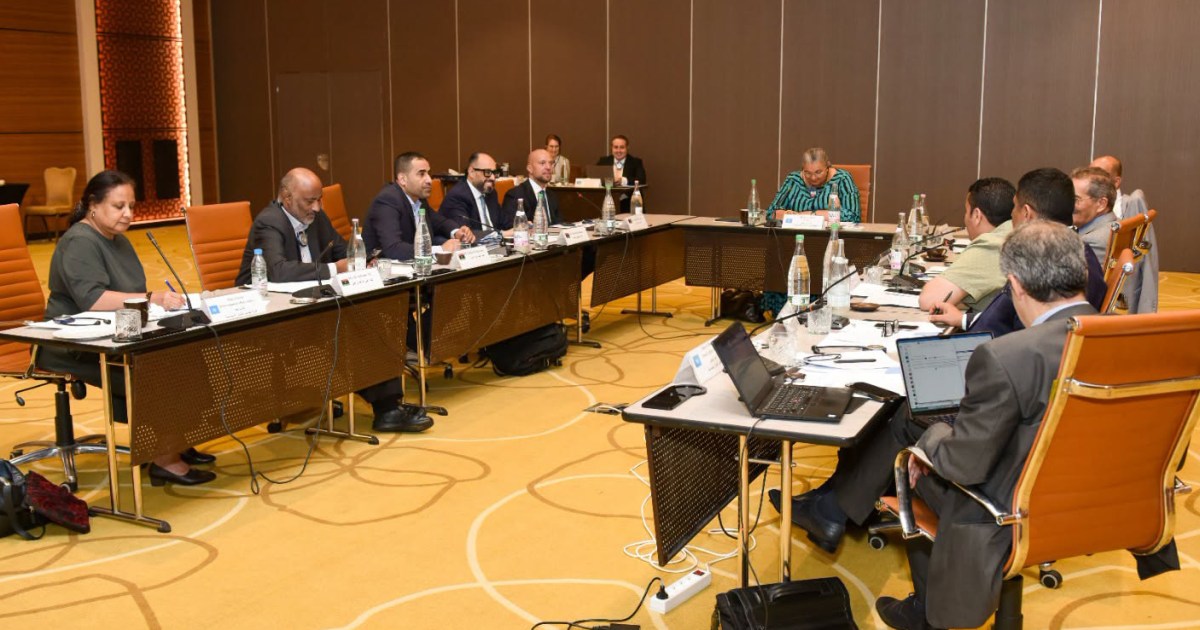
A newly formed joint committee consisting of four representatives from the House of Representatives, based in eastern Libya, and four representatives from the High Council of State, linked to the internationally-recognised Government of National Unity in Tripoli, have signed a preliminary election pact on August 20th in Tunis. The agreement covers electoral laws and the restructuring of the national elections commission, marking a significant step towards ending years of political divisions within Libya. However, the execution of this pact is threatened by divided state institutions and legal voids, as key legislative bodies and politicians have reservations about the negotiations. Legal expert Al-Mahdi Kashbour highlighted a gap between the powers of the parties that signed the agreement and the institutions with the authority to implement it, while Libya political analyst Elias Al-Barouni emphasized that the pact does not make any concrete plans for the country’s elections. Furthermore, there is equal skepticism about the arrangement from members of the eastern and western authorities due to alleged secrecy over its proceedings. Despite criticism and ongoing mistrust, United Nations spokesman Mohammad al-Asadi deemed the pact an “important step” towards ending the political crisis in Libya. The final signing and public release of the document are expected to take place after addressing concerns regarding transparency in negotiations.
Filed underPolitics
More stories
Politics
Trump Signals De-escalation with Iran, Hints at Negotiations for Regional Peace
Global Trend Scope Desk
Politics
Cameroon Announces Long-Awaited Legislative and Local Elections for February 2023
Global Trend Scope Desk
Politics
Accusations of Model Agency's Role in Putting Abuse Victim at Risk Emerge Amidst Epstein Inquiry
Global Trend Scope Desk
Politics
US-Iran Conflict: Trump Signals Potential De-escalation, Amid Middle Eastern Allies' Pressure for Status Quo
Global Trend Scope Desk
Politics
Supreme Court Clears Path for Border Wall Construction in Big Bend National Park
Global Trend Scope Desk
Politics
Massie Pursues Impeachment Vote on Defense Secretary Hegseth to Check Executive Overreach
Global Trend Scope Desk