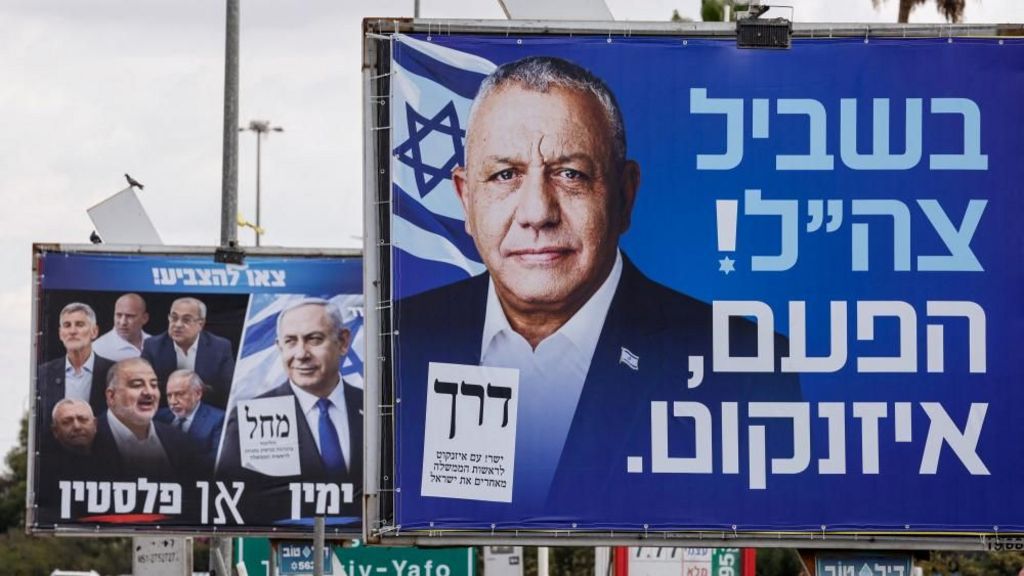
Israel's newly elected parliament convened, with opposition leader Gadi Eisenkot tasked to form a government and potentially unseat caretaker Prime Minister Benjamin Netanyahu. Following the October elections, Eisenkot's four-party alliance secured 48 seats, while Netanyahu's bloc garnered 53 seats, falling short of the majority in the 120-seat Knesset. Over the next 28 days (with a possible two-week extension), Eisenkot will negotiate coalition building.
In the election, often viewed as a referendum on Netanyahu's leadership, nearly half of the newly elected MKs were political newcomers, and Arab-led parties saw a record number of seats. However, Netanyahu has expressed opposition to governing with these parties, and three of Eisenkot's supporting parties have similarly voiced reservations.
Eisenkot advocated for a "national emergency government," appealing to parties to set aside ideological differences to oust Netanyahu. To join his proposed government, parties must agree to four principles: recognizing Israel as a Jewish and democratic state, accepting the values of the Declaration of Independence, backing mandatory military service, and designating Hamas as a terrorist organization.
The implementation of these principles could pose challenges for potential partners, particularly regarding the conscription of ultra-Orthodox Jewish men and recognition of Hamas by Arab parties. The Arab parties might help Eisenkot form a minority government, with some expressing willingness to participate or offer parliamentary support. However, securing agreement from other parties within his bloc could prove difficult, especially given the demands that ultra-Orthodox parties may make in return for their support.
Netanyahu, Israel's longest-serving leader, has continued to advocate for a government of national unity, expressing concerns over relying on Arab parties due to their alleged ties with Hamas. The outcome of this political maneuvering will determine who forms the next Israeli government and potentially shape the country's domestic and foreign policies in the coming years.