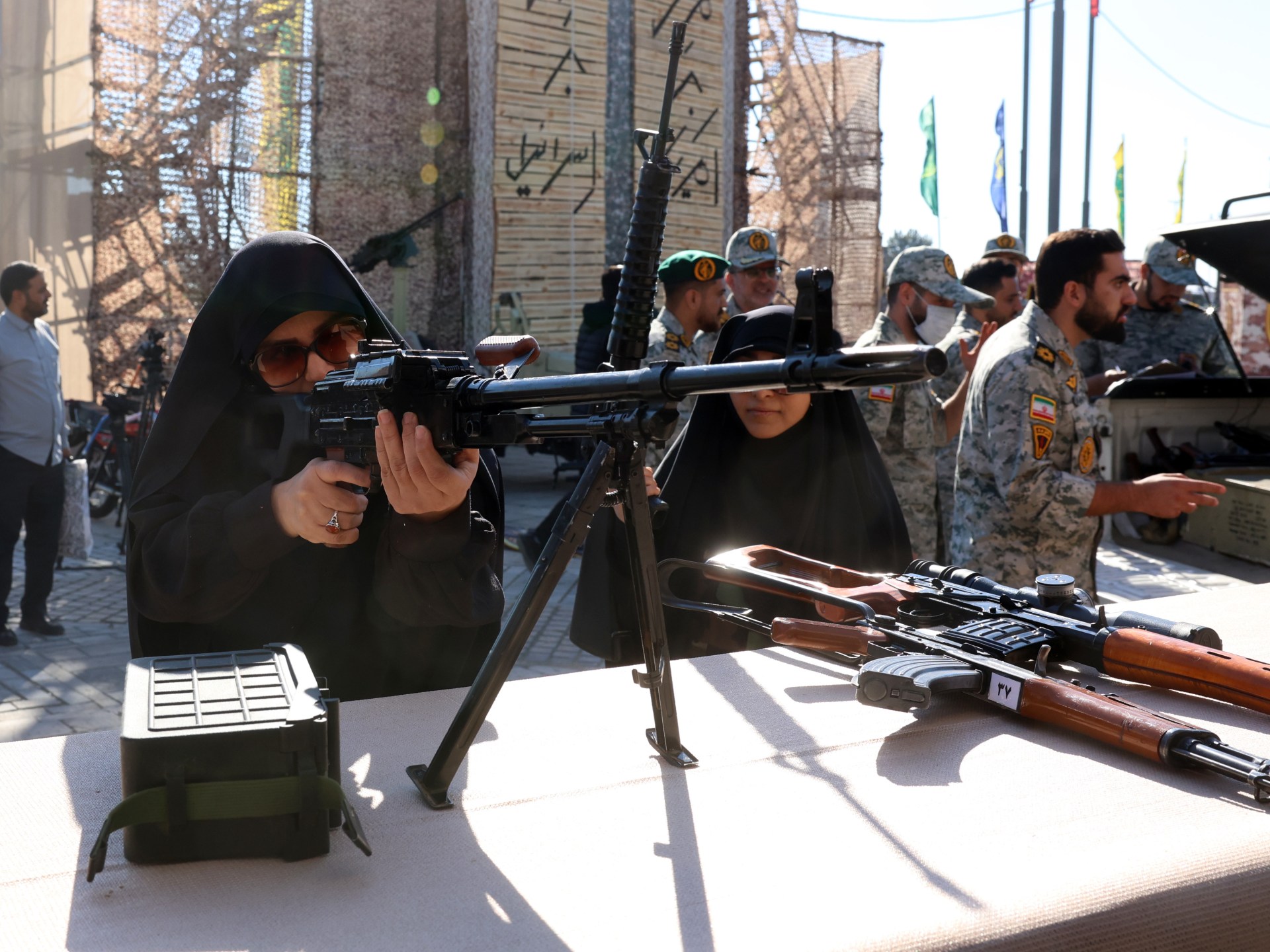
In a significant development, Israeli military preparations have been stepped up in anticipation of potential attacks on Iran, according to recent reports. This escalation comes as Tehran has issued warnings that it will broaden the conflict if attacked, potentially igniting a regional war. On Wednesday evening, Israel's security cabinet, chaired by Prime Minister Benjamin Netanyahu, ordered the military to intensify its readiness for an attack on Iran. However, these directives have been met with caution from opposition leader Gadi Eisenkot, who urged Netanyahu not to deploy the military without a "direct and immediate threat."
As diplomatic efforts intensify to prevent further conflict, US President Donald Trump has expressed his readiness to resume war if a diplomatic track fails. Iran's security chief Mohsen Rezaei has threatened that any military bases involved in aggression against Iran would be legitimate targets for Iranian strikes. Meanwhile, in Tehran, discussions are underway regarding the appointment of hawkish figure Mohsen Rezaei as Iran's new chief negotiator. Current lead negotiator, Iranian Parliament Speaker Mohammad Bagher Ghalibaf, has commented on Iran's determination to move beyond the current "no war, no peace" status through "sustainable deterrence" if negotiations fail.
In Washington DC, there is ongoing debate about the necessity of large-scale military engagement against Iran. US Secretary of State Marco Rubio claims that the Trump administration's economic pressure campaign against Iran is proving effective, negating the need for resumption of large-scale military operations. Despite these debates, US forces continue to maintain a strong presence in the Strait of Hormuz, enforcing a naval blockade against Iran. The potential for increased oil prices has been indicated due to Tehran's rejection of a US proposal to transfer its stockpile of 60 percent enriched uranium to a third country.
The ongoing tension between Israel and Iran continues to escalate, with Israel reportedly preparing its military for potential strikes on Iranian targets. This development comes as Iran has threatened to expand the conflict if attacked, potentially leading to a broader regional war. The Israeli security cabinet, led by Prime Minister Benjamin Netanyahu, has ordered the military to increase its readiness for an attack on Iran. However, opposition leader Gadi Eisenkot has urged caution, warning against deploying the military without a "direct and immediate threat."
As diplomatic efforts attempt to prevent further conflict, US President Donald Trump has expressed his willingness to return to war if a diplomatic solution fails. In response, Iran's security chief Mohsen Rezaei has threatened that any military bases involved in aggression against Iran would be legitimate targets for Iranian strikes. Discussions are underway in Tehran regarding the appointment of hawkish figure Mohsen Rezaei as Iran's new chief negotiator. Current lead negotiator, Iranian Parliament Speaker Mohammad Bagher Ghalibaf, has commented on Iran's determination to move beyond the current "no war, no peace" status through "sustainable deterrence" if negotiations fail.
In Washington DC, there is ongoing debate about the necessity of large-scale military engagement against Iran. US Secretary of State Marco Rubio claims that the Trump administration's economic pressure campaign against Iran is proving effective, negating the need for resumption of large-scale military operations. Despite these debates, US forces continue to maintain a strong presence in the Strait of Hormuz, enforcing a naval blockade against Iran. The potential for increased oil prices has been indicated due to Tehran's rejection of a US proposal to transfer its stockpile of 60 percent enriched uranium to a third country.
Recent reports suggest that Israel is preparing its military for potential strikes on Iran, escalating tensions in the region. This development comes as Iran has threatened to expand the conflict if attacked, potentially leading to a broader regional war. The Israeli security cabinet, led by Prime Minister Benjamin Netanyahu, has ordered the military to increase its readiness for an attack on Iran. However, opposition leader Gadi Eisenkot has urged caution, warning against deploying the military without a "direct and immediate threat."
As diplomatic efforts attempt to prevent further conflict, US President Donald Trump has expressed his willingness to return to war if a diplomatic solution fails. In response, Iran's security chief Mohsen Rezaei has threatened that any military bases involved in aggression against Iran would be legitimate targets for Iranian strikes. Discussions are underway in Tehran regarding the appointment of hawkish figure Mohsen Rezaei as Iran's new chief negotiator. Current lead negotiator, Iranian Parliament Speaker Mohammad Bagher Ghalibaf, has commented on Iran's determination to move beyond the current "no war, no peace" status through "sustainable deterrence" if negotiations fail.
In Washington DC, there is ongoing debate about the necessity of large-scale military engagement against Iran. US Secretary of State Marco Rubio claims that the Trump administration's economic pressure campaign against Iran is proving effective, negating the need for resumption of large-scale military operations. Despite these debates, US forces continue to maintain a strong presence in the Strait of Hormuz, enforcing a naval blockade against Iran. The potential for increased oil prices has been indicated due to Tehran's rejection of a US proposal to transfer its stockpile of 60 percent enriched uranium to a third country.