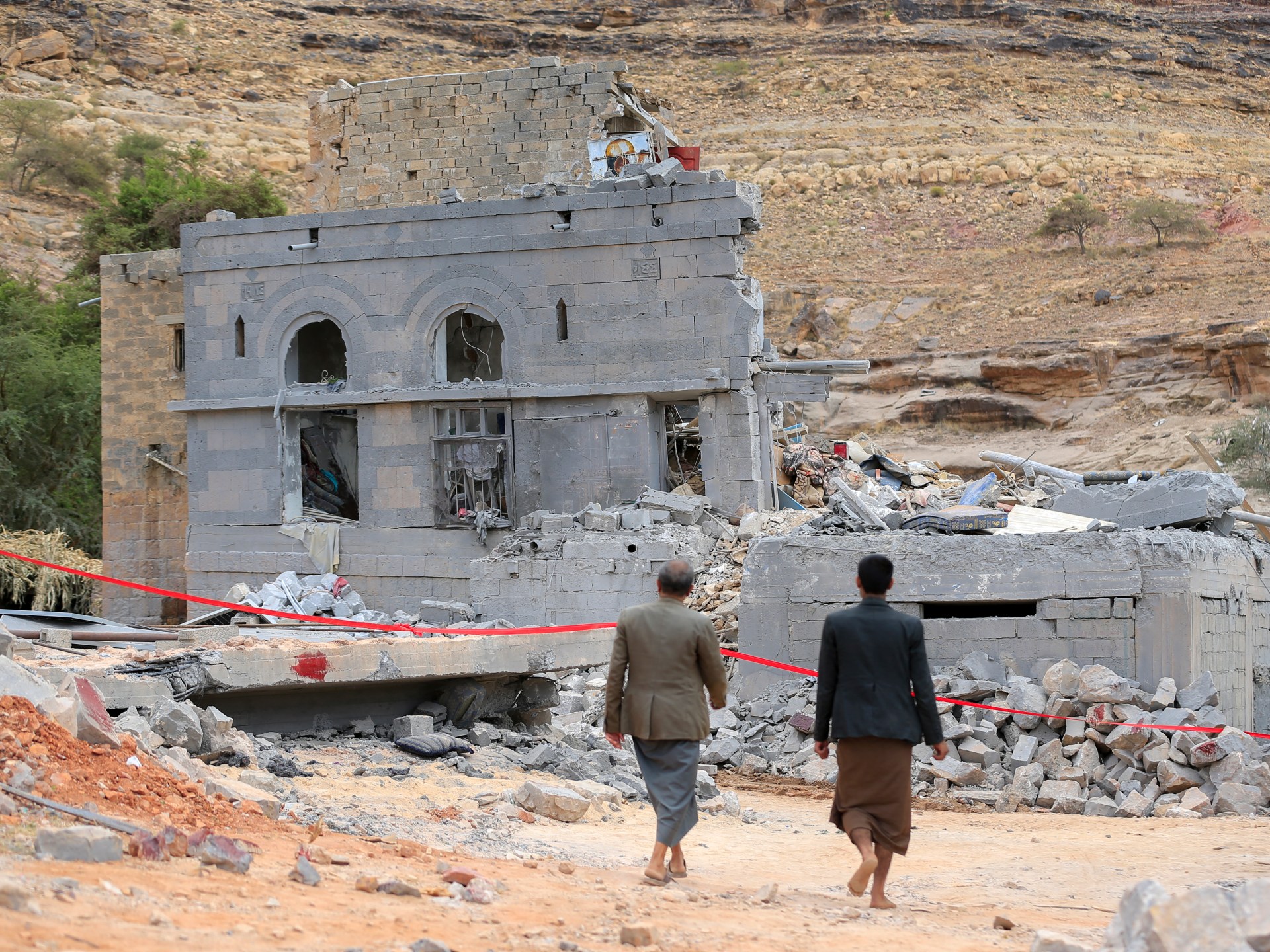
A surge of displacement, violence, and allegations of international law violations characterize the ongoing conflict in Yemen, as fighting between the Saudi-backed government forces and the Iran-allied Houthis intensifies. Over 320,000 people have been uprooted from their homes since August 1st, according to the World Health Organization (WHO). The Houthis have vehemently denied allegations by Saudi Arabia that they targeted Mecca, instead admitting to launching a drone at a pumping station in Yanbu and three cruise missiles towards Riyadh's King Khalid International Airport. The Saudi-led coalition, on the other hand, reports intercepting these missiles and drones targeting both Mecca and southern regions of Saudi Arabia.
The recent escalation of hostilities has resulted in significant casualties among Houthi forces, with over 138 fighters reportedly killed or wounded in hundreds of targeted attacks, according to Yemen's army spokesperson Majed Abdullah al-Nuzaili. The Saudi-backed forces have retaliated with numerous air strikes and artillery attacks across several governorates, including al-Jawf, Marib, al-Bayda, and Taiz. However, Houthi missile strikes persistently target civilian areas, such as Aden's al-Buraiqa district, where the internationally recognized government is based.
The ongoing conflict has taken a heavy toll on Yemen's civilian population, with over 11,755 casualties reported as of November 8th, according to the WHO. More than 2,000 casualties were recorded in just nine days, primarily affecting Marib and Lahij governorates. Critical fuel shortages are disrupting emergency medical services in Taiz, while strikes on health facilities and ambulances continue to exacerbate the humanitarian crisis. Despite ongoing efforts to provide medical supplies and vaccinate nearly one million children, significant gaps remain in trauma care, rehabilitation, and mental health services.