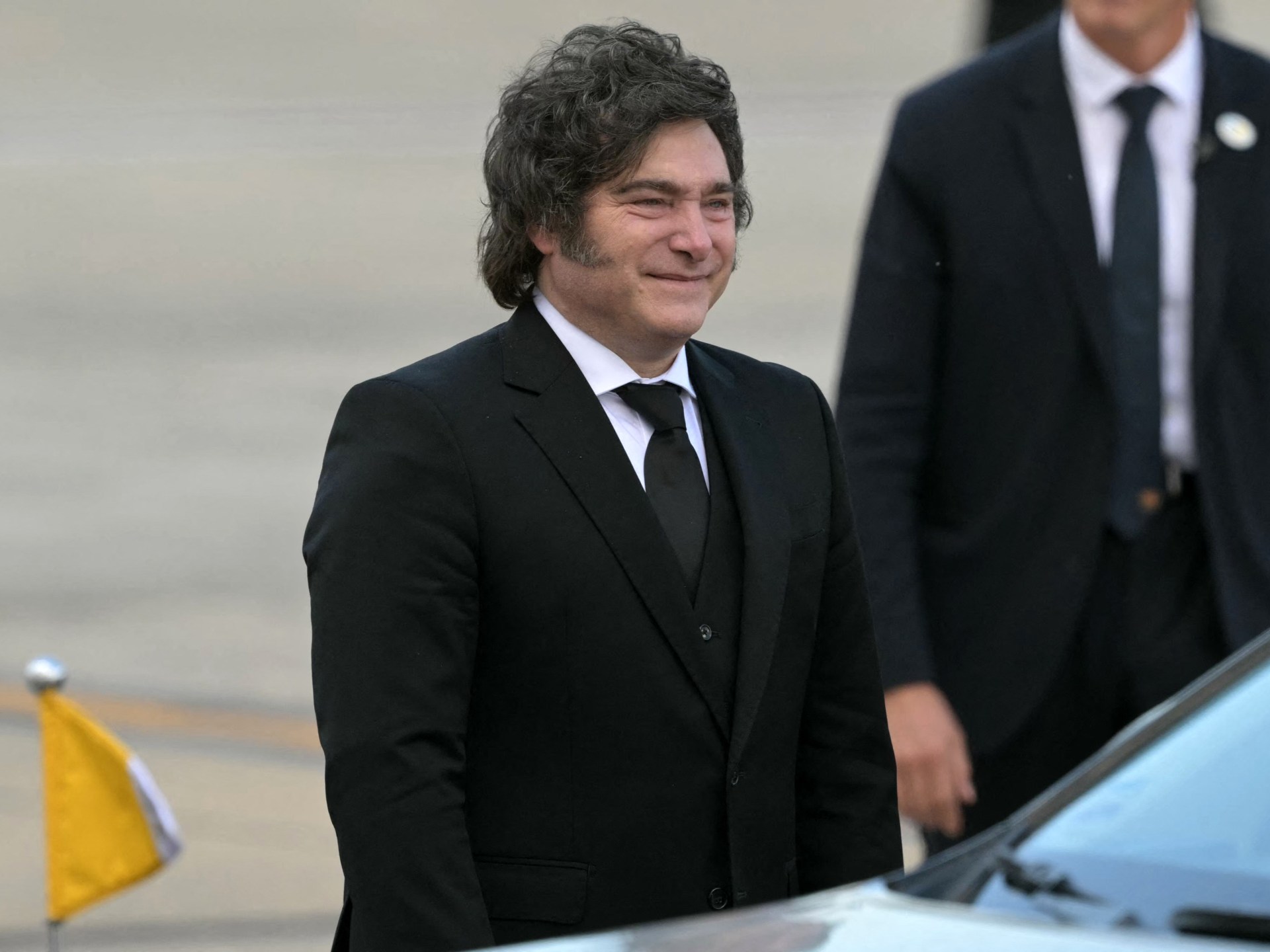
Iran has retaliated against Argentina's designation of its Islamic Revolutionary Guard Corps (IRGC) as a "terrorist organization" by reciprocally labeling the South American country's naval and air forces as such. This move comes in response to Argentina's action in March, which was in retaliation for an attack on the AMIA Jewish community center in Buenos Aires in 1994, an incident that Argentina blames on Iran-backed group Hezbollah. The announcement by Iran's Ministry of Foreign Affairs, made on Wednesday, does not include the Argentine army in this designation. Argentina has categorically rejected this designation, calling it baseless and unacceptable.
The historical tension between the two countries extends beyond this recent escalation. President Javier Milei of Argentina issued the "terrorist" designation against the IRGC on March 31, with the intention of settling a debt of more than three decades with the families of the victims of the AMIA bombing. This decision also aligns with the push by then-US President Donald Trump to isolate Iran. The US and Israel launched a war against Iran on February 28, and both countries have called upon international allies to support their offensive.
Argentina's stance, under President Milei, has been firmly in favor of the US and Israel. However, this position has sometimes put Argentina at odds with other regional countries, including key economic players like Brazil. Additionally, President Milei has revived his country's dispute with the United Kingdom over the Falkland Islands, which Argentina refers to as Las Malvinas and claims as part of its national territory.
In this latest round of escalation, both parties have pointed fingers at each other, with Iran stating that it will bear no responsibility for any consequences arising from this matter, while Argentina has responded by reiterating the baselessness of Iran's designation. The international community will be watching closely to see how this situation unfolds.
In a significant geopolitical move, Iran has designated the naval and air forces of Argentina as "terrorist organizations," in a tit-for-tat response to Argentina's designation of Iran's Islamic Revolutionary Guard Corps (IRGC) as such earlier this year. This latest development underscores the complex web of global alliances and conflicts, with both nations accusing each other of fostering terrorism.
The escalation can be traced back to a deadly bombing attack on the AMIA Jewish community center in Buenos Aires in 1994, an incident that Argentina alleges was perpetrated by Iran-backed group Hezbollah. This historical tension has been further fueled by President Javier Milei's decision to align Argentina with the US and Israel, a stance that has sometimes brought him into conflict with other regional countries.
The designation of the IRGC as a "terrorist organization" also reflects a broader push under former US President Donald Trump to isolate Iran. The US and Israel have been engaged in an offensive against Iran since February 28, calling upon international allies to support their actions.
As the global community watches this evolving situation, it serves as a reminder of the intricate dance of geopolitical power, with nations often employing reciprocal designations to exert influence and pressure on one another. The repercussions of these decisions can have far-reaching effects, potentially impacting regional stability and international relations.
In a significant development that highlights the complexities of global politics, Iran has responded to Argentina's designation of its Islamic Revolutionary Guard Corps (IRGC) as a "terrorist organization" by reciprocally labeling Argentina's naval and air forces as such. This tit-for-tat move follows an attack on the AMIA Jewish community center in Buenos Aires in 1994, an incident that Argentina alleges was perpetrated by Iran-backed group Hezbollah.
The decision by Iran to designate the Argentine military branches as "terrorist organizations" comes amidst a broader push under former US President Donald Trump to isolate Iran. The US and Israel have been engaged in an offensive against Iran since February 28, calling upon international allies to support their actions.
This latest escalation underscores the strained relations between Iran and Argentina, with both parties accusing each other of fostering terrorism. President Javier Milei's decision to align Argentina with the US and Israel has sometimes put his country at odds with other regional players, including key economic powers like Brazil. The international community will be watching closely as this situation unfolds, with potential repercussions for regional stability and international relations.