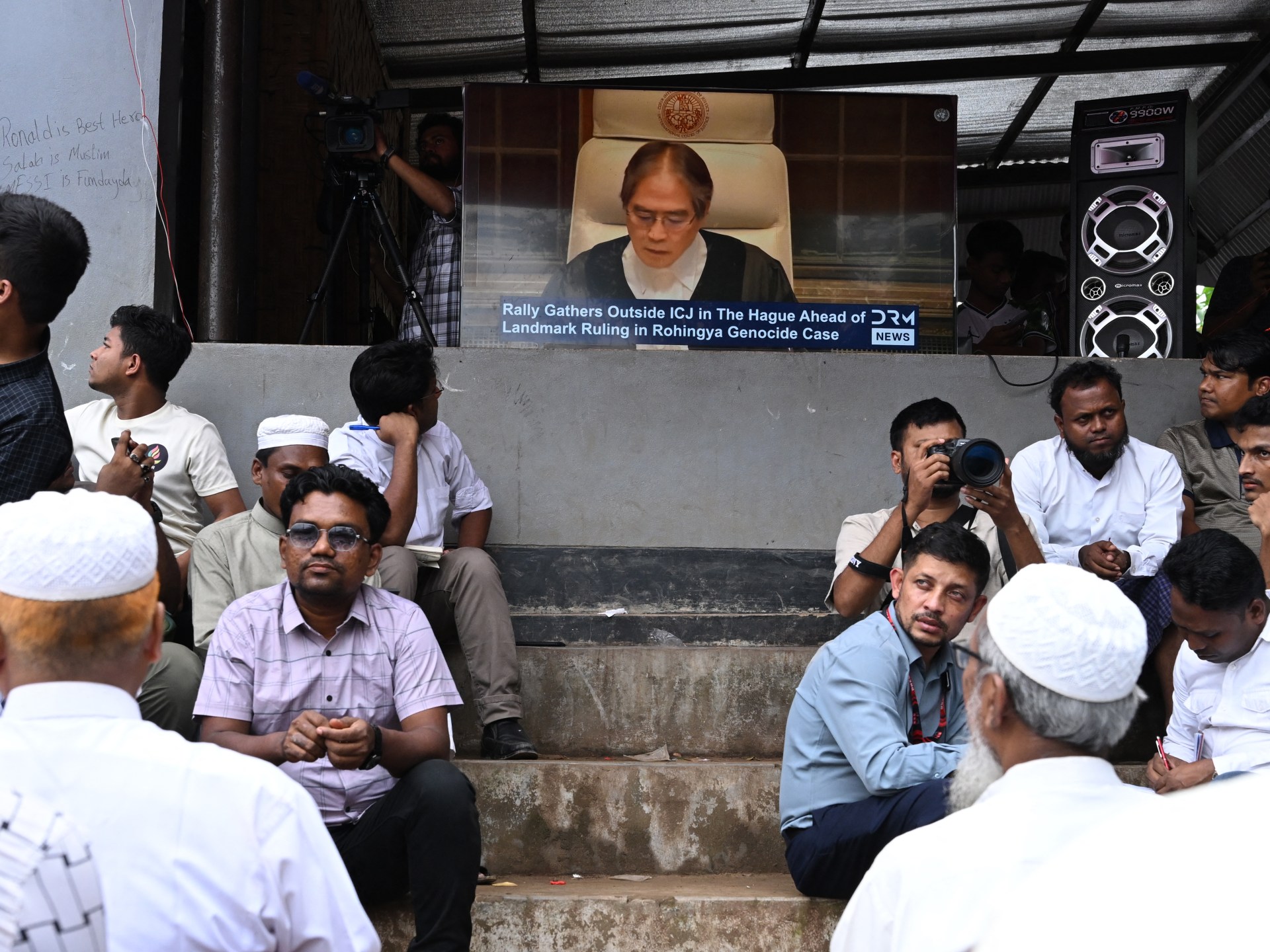
In a groundbreaking decision, the International Court of Justice (ICJ) has determined that Myanmar is responsible for genocide against the predominantly Muslim Rohingya minority in 2017. This landmark judgement, handed down on Thursday at The Hague, represents the first time a state has been held accountable for such crimes under the ICJ. The case was initiated by Gambia in 2019 and closely monitored by various governments, legal experts, human rights groups, and Rohingya communities. The court ordered Myanmar to compensate the victims and prevent future atrocities.
Key parties have reacted with satisfaction and calls for action. The National Unity Government, comprising remnants of Aung San Suu Kyi's National League for Democracy party, acknowledged the ICJ's ruling and pledged to uphold accountability and prevent further violations. The Gambia welcomed the decision as a "historic day for international justice," emphasizing the responsibility shared by all states under the 1948 Genocide Convention. United Nations Secretary-General Antonio Guterres described the ruling as a reaffirmation of international justice, while the Organization of Islamic Cooperation commended the ICJ's judgement and called on Myanmar to comply fully and without delay.
World leaders and human rights groups have expressed their support for the Rohingya people, emphasizing the gravity of the court's findings. The United Kingdom announced the expulsion of Myanmar's defense attache and summoned the country's charge d'affaires, calling for an urgent UN Security Council session to discuss the ruling. Activists called for justice in the form of Rohingya citizenship recognition, identity affirmation, and a safe and dignified return home. The human rights group Amnesty International hailed the decision as a "historic and authoritative recognition" of the atrocities committed against the Rohingya, marking a rare moment of justice for survivors, victims, and their families.