In a groundbreaking move towards global health security, Africa's first clinical trial of an mRNA vaccine against the deadly Bundibugyo strain of Ebola has commenced in Uganda. This trial, led by the state-run Uganda Virus Research Institute (UVRI) in collaboration with Moderna, a US-based pharmaceutical company, marks a significant stride in epidemic preparedness and response efforts. The trial aims to test the vaccine's safety and efficacy in children aged one year and above, a demographic often disproportionately affected by Ebola outbreaks yet historically overlooked in vaccine development. This trial expands upon initial human trials conducted by Moderna in Canada targeting adults between 18 to 65 years old. The Coalition for Epidemic Preparedness Innovations (CEPI), a key funder of the vaccine, emphasizes the importance of including children in the trial process to ensure comprehensive protection against Ebola.
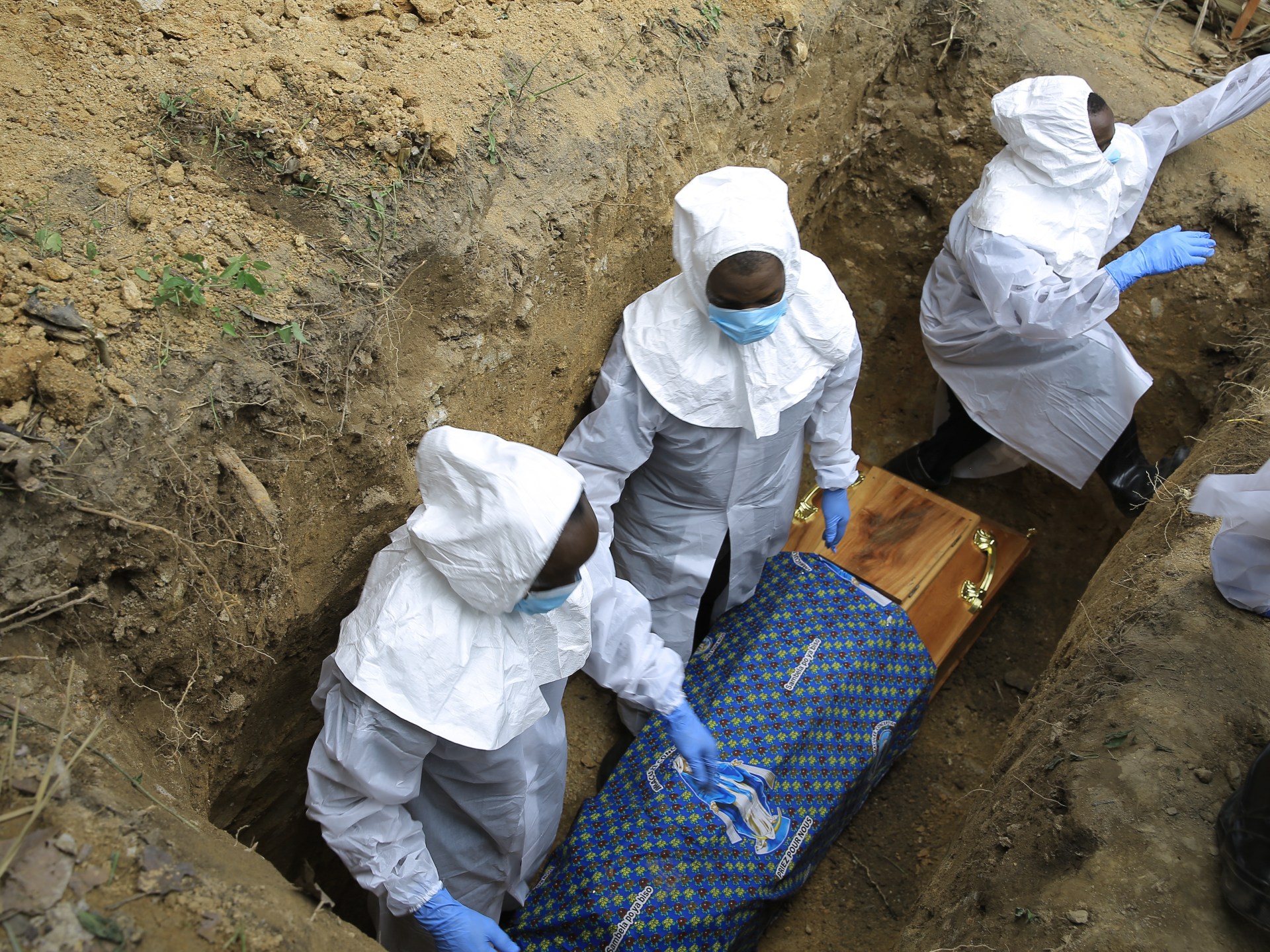
Meanwhile, another potential vaccine candidate, the ChAdOx1 adenoviral vector vaccine developed by India's Serum Institute and the University of Oxford, is set to commence testing in the Democratic Republic of the Congo (DRC) on Monday. In anticipation of successful trials, Gavi, the Vaccine Alliance, has committed to purchasing 1.5 million doses of ChAdOx1. If approved by the World Health Organization and the DRC government, Gavi hopes to deploy "hundreds of thousands" of these doses swiftly. The ongoing Ebola outbreak in the DRC, with over 12,000 confirmed cases and nearly 6,000 deaths since May, underscores the urgent need for effective vaccines. Uganda successfully declared its Ebola outbreak over on July 28, having recorded only 20 infections and two deaths, according to the Ministry of Health.
This collaborative effort between governments, research institutions, and pharmaceutical companies exemplifies the global community's commitment to combating infectious diseases and enhancing epidemic preparedness. The successful deployment of these vaccines could significantly reduce the impact of future Ebola outbreaks, particularly in regions most affected by the disease.
Uganda has launched a groundbreaking clinical trial of an mRNA vaccine targeting the Bundibugyo strain responsible for a deadly Ebola outbreak in the Democratic Republic of the Congo (DRC). The trial, spearheaded by the Ugandan government's Uganda Virus Research Institute (UVRI) and US-based pharmaceutical company Moderna, is Africa's first mRNA vaccine trial. This collaboration aims to test the vaccine's safety and ability to trigger an immune response in children aged one year and above, a demographic often hardest hit during Ebola outbreaks but overlooked in previous vaccine development. The trial builds upon initial human trials conducted by Moderna in Canada targeting adults between 18 to 65 years old.
Meanwhile, another potential vaccine candidate, the ChAdOx1 adenoviral vector vaccine developed by India's Serum Institute and the University of Oxford, is set for testing in the DRC on Monday. In preparation for successful trials, Gavi, the Vaccine Alliance, has pledged to purchase 1.5 million doses of ChAdOx1. If approved by both the World Health Organization and the DRC government, Gavi hopes to swiftly deploy "hundreds of thousands" of these doses. The ongoing Ebola outbreak in the DRC, with over 12,000 confirmed cases and nearly 6,000 deaths since May, highlights the pressing need for effective vaccines. Uganda managed to declare its Ebola outbreak over on July 28, having recorded only 20 infections and two deaths, as reported by the Ministry of Health.
This collaborative initiative between governments, research institutions, and pharmaceutical companies signifies a significant step towards global health advancement and strengthened epidemic preparedness. Successful deployment of these vaccines could drastically reduce the impact of future Ebola outbreaks in affected regions.
Africa's first clinical trial of an mRNA vaccine against the deadly Bundibugyo strain of Ebola has commenced in Uganda, marking a significant milestone in the global race to combat infectious diseases. The collaboration between the Ugandan government's Uganda Virus Research Institute (UVRI) and US-based pharmaceutical company Moderna aims to test the vaccine's safety and efficacy in children aged one year and above, a demographic often disproportionately affected by Ebola outbreaks but historically overlooked in vaccine development. This trial expands upon initial human trials conducted by Moderna in Canada targeting adults between 18 to 65 years old.
As the world continues to grapple with the ongoing Ebola outbreak in the Democratic Republic of the Congo (DRC), another potential vaccine candidate, the ChAdOx1 adenoviral vector vaccine developed by India's Serum Institute and the University of Oxford, is set for testing in the DRC on Monday. In anticipation of successful trials, Gavi, the Vaccine Alliance, has pledged to purchase 1.5 million doses of ChAdOx1. If approved by both the World Health Organization and the DRC government, Gavi hopes to swiftly deploy "hundreds of thousands" of these doses. The ongoing Ebola outbreak in the DRC, with over 12,000 confirmed cases and nearly 6,000 deaths since May, underscores the urgent need for effective vaccines. Uganda successfully declared its Ebola outbreak over on July 28, having recorded only 20 infections and two deaths, as reported by the Ministry of Health.
This collaborative effort between governments, research institutions, and pharmaceutical companies exemplifies the global community's commitment to combating infectious diseases and enhancing epidemic preparedness. Successful deployment of these vaccines could significantly reduce the impact of future Ebola outbreaks, particularly in regions most affected by the disease.