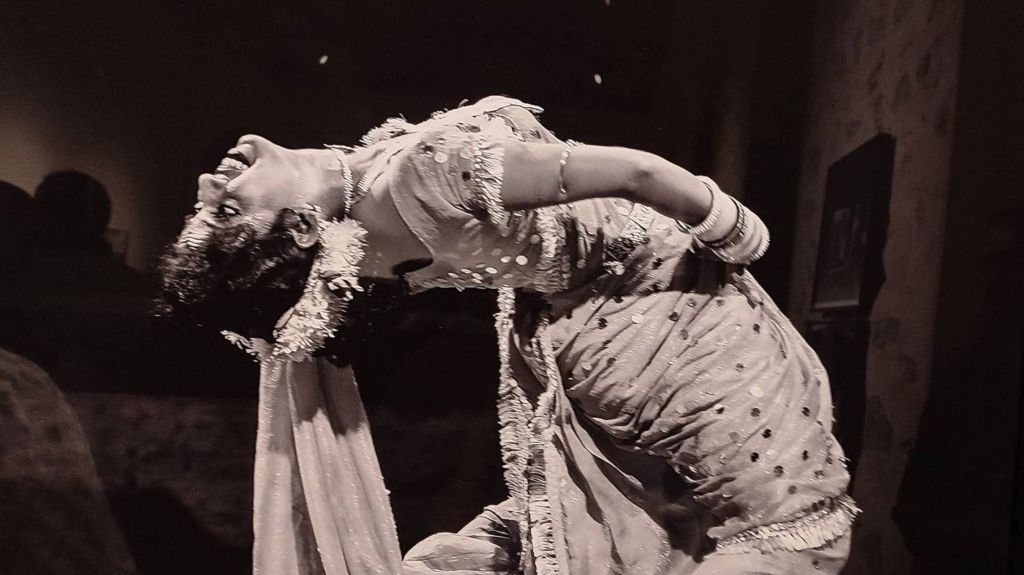
In a forthcoming Bollywood musical, Eetha, Indian actress Shraddha Kapoor portrays the life of Vithabai Narayangaonkar, a revered figure in Maharashtra's folk theatre known as Tamasha. Born during a performance in 1935, Vithabai was an outstanding dancer, singer, and troupe leader whose career spanned several decades. Known as the Tamasha Samradnyi or the empress of Tamasha, she captivated audiences with her performances despite facing discrimination due to her caste origins. The film, directed by Laxman Utekar, is based on Yogiraj Bagul's Marathi book chronicling Vithabai's life.
Rooted in devotional poetry, Tamasha evolved into a lively fusion of music, dance, comedy, and drama, with Lavani at its core. A blend of music and dance, Lavani features lyrics that can be bawdy or politically incisive, set to the rhythm of the dholki. Eetha aims to evoke the essence of Tamasha in its heyday, with Kapoor learning to dance while wearing anklets weighing 4kg each for the role.
However, the film's authenticity has been questioned due to the decision to rename the protagonist Vithabai Bhau Gavkar instead of Vithabai Bhau Mang Narayangaonkar, a change that critics argue erases important aspects of her identity and history. The original name included 'Mang,' which identified her with the historically oppressed Dalit community, and 'Narayangaonkar,' a reference to her family's roots in Narayangaon village. These details were significant in the name of the troupe she inherited from her father – Bhau-Bapu Mang Narayangaonkar Tamasha Mandal.
Vithabai was known for her outspokenness and her songs that addressed caste and the indignities faced by Tamasha artists, themes that also surfaced in her performances. Despite offers from prominent filmmakers and roles in Marathi cinema, Vithabai chose to remain loyal to theatre, supporting over 50 families with her troupe. Her life story is marked by perseverance, talent, and a deep connection with her audience.