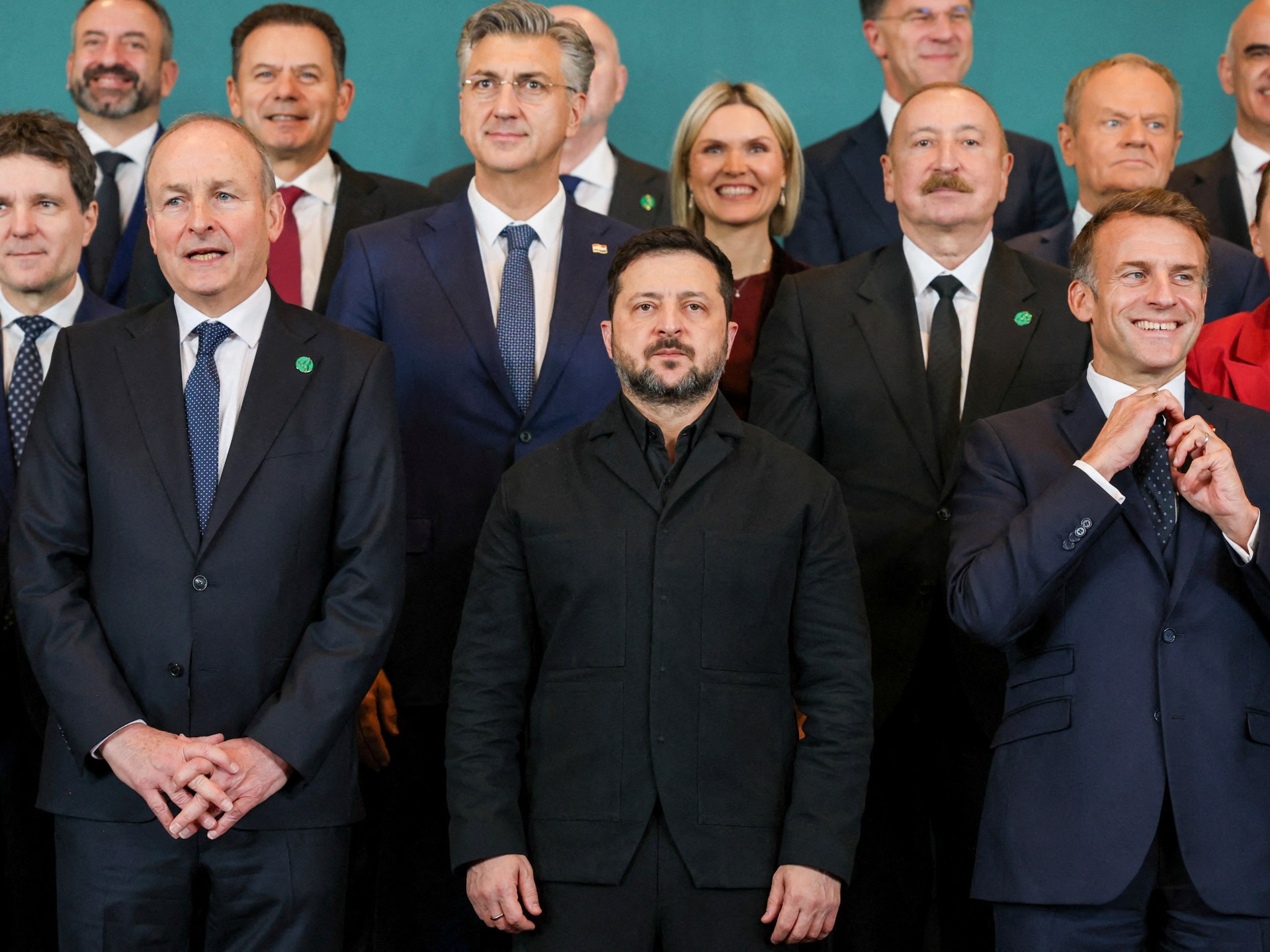
In a bid to deescalate the intensifying conflict between Russia and Ukraine, high-level diplomatic discussions have been held between Ukrainian officials, the United States, and European nations. The talks took place on Monday, just hours before Kyiv's mayor reported strikes on two bridges in the capital city. Ukrainian President Volodymyr Zelenskyy described the online conversations with US envoys Steve Witkoff and Jared Kushner, as well as European representatives, as challenging but productive. The participants agreed to meet in Berlin with the "Coalition of the Willing," a group of countries supporting Ukraine, as the US and Europe ramp up peace talks this week.
The discussions follow last week's negotiations in Abu Dhabi, where US, Ukrainian, and Russian officials met for the first time in nine months. Although an agreement on a prisoner exchange was reached during these negotiations, there was no breakthrough regarding ending the war. The planned meeting in Berlin will serve as an opportunity for Ukraine and its allies to align their next negotiating steps. However, Russia has yet to accept the proposed representation of the Ukrainian-led coalition in the talks that are expected to follow.
Amidst these diplomatic efforts, both sides have continued military operations. On Monday, Ukraine reportedly struck a key bridge and targeted oil refineries, marking one of the biggest overnight drone attacks on Russia since the full-scale war began in 2022. Meanwhile, the Crimea Bridge was again hit with nearly 200 drones intercepted near Moscow. The Kremlin, for its part, has expressed a desire for lasting peace rather than a temporary ceasefire that would only allow Ukraine to recover from the damage inflicted by Russian forces.
As global powers engage in these talks, European governments are simultaneously preparing their negotiating team while maintaining pressure on Moscow. Irish Foreign Minister Helen McEntee, speaking ahead of Monday's meeting of EU foreign ministers in Brussels, welcomed the renewed talks and the agreement on EU representation but expressed concern that Russia has not changed its position. She also announced that 113 new sanctions on Russia would be imposed to maintain pressure on Moscow "as it intensified attacks on civilians and critical infrastructure during the winter."