Global Alert: El Nino to Intensify, Spurring Extreme Weather Events Worldwide
The World Meteorological Organization (WMO) has issued a stern warning to governments and humanitarian organizations worldwide, urging them to prepare for an increase in extreme weather events such…
By Global Trend Scope Desk
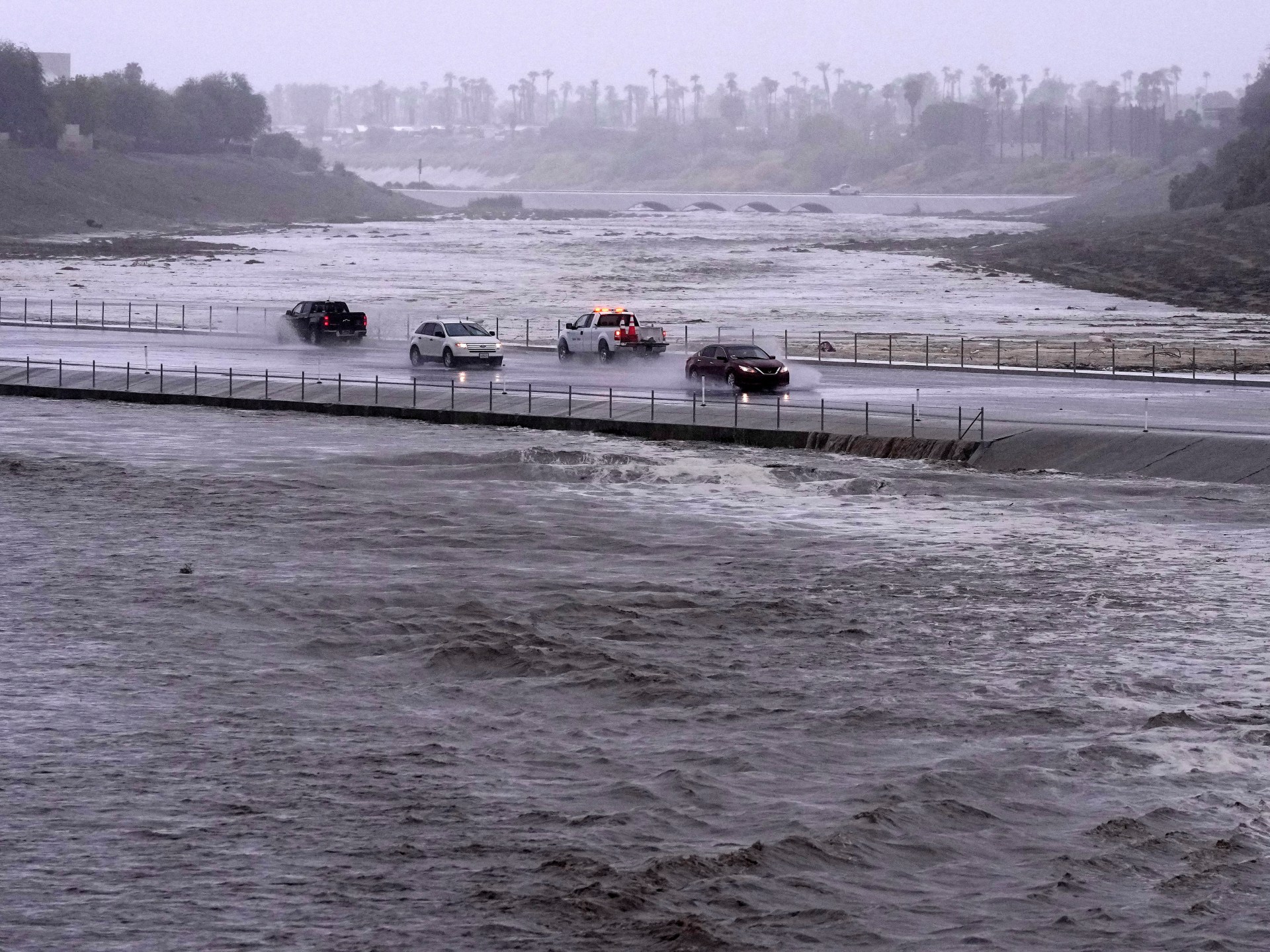
The World Meteorological Organization (WMO) has issued a stern warning to governments and humanitarian organizations worldwide, urging them to prepare for an increase in extreme weather events such as heatwaves, droughts, and heavy rainfall. These events are anticipated due to the El Nino weather phenomenon, which is expected to strengthen significantly between July and September this year. The UN agency has taken proactive measures by activating climate information services and early warning systems to help governments and aid agencies in providing support to farmers and vulnerable communities. WMO Secretary-General Celeste Saulo stated that these conditions, already underway, are forecasted to intensify the risks of drought, heavy rainfall, and heatwaves across various global regions. Early warnings and advanced seasonal forecasts, according to Saulo, are crucial in saving lives, mitigating economic impact, and protecting communities from the harsh effects of El Nino. El Nino is a natural climate event that warms surface temperatures in the central and eastern equatorial Pacific Ocean, causing global changes in winds, pressure, and rainfall patterns. Typically occurring every two to seven years, El Nino events last between nine and 12 months. However, not all regions are affected equally. The phenomenon oscillates between El Nino and its opposite, La Nina, with neutral conditions in between. Even during neutral ENSO (El Nino-Southern Oscillation) phases, extreme weather can still occur. In June, the WMO reported that global ocean temperatures reached a new high, partly driven by the ongoing El Nino phenomenon. The last El Nino event contributed to making 2023 the second-hottest year on record and 2024 the all-time high, at approximately 1.55 degrees Celsius (2.79 degrees Fahrenheit) above the pre-industrial average of 1850-1900.
Filed underClimate
More stories
Climate
Global Analysis: New Delhi's Diwali Fireworks Aggravate Chronic Air Pollution Crisis
Global Trend Scope Desk
Climate
Global Analysis: Reno Wildfire Contained but Persistent Threat Looms amidst Unfavorable Weather Conditions
Global Trend Scope Desk
Climate
Catastrophic Tornado Ravages Southwestern French Village, Leaves Over Three Dozen Injured and Hundreds of Homes Damaged
Global Trend Scope Desk
Climate
Record Heatwave Claims Life of French Tourist in Death Valley's Inhospitable Terrain
Global Trend Scope Desk
Climate
Nevada Wildfire Containment Progress, but Fears Persist as Fire Approaches Reno
Global Trend Scope Desk
Climate
British Columbia Wildfires Threaten Homes and Livestock Amidst Drought Conditions
Global Trend Scope Desk