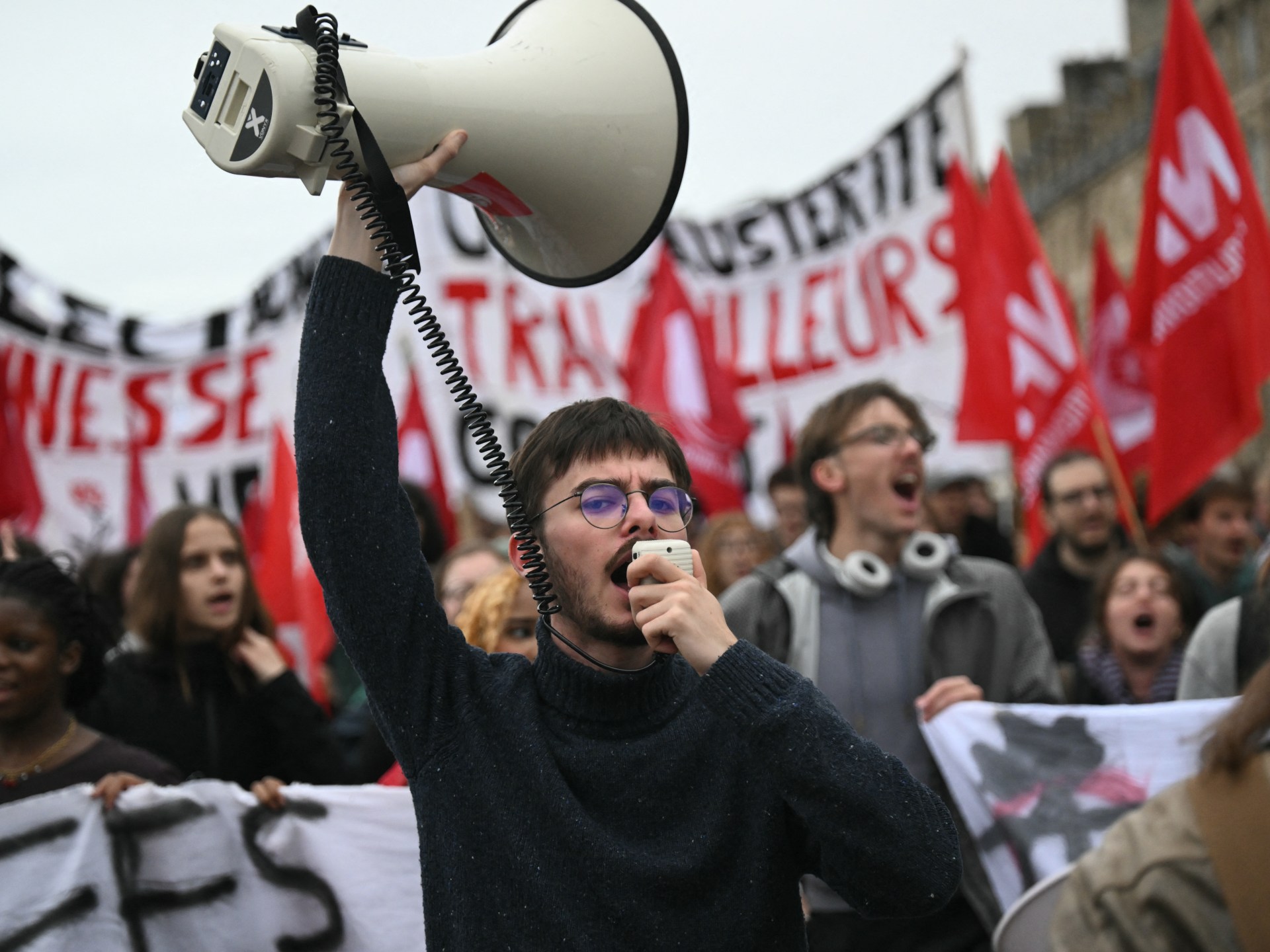
France experienced another wave of nationwide protests on Tuesday, as more than 100,000 individuals took to the streets in a demonstration against the rising cost of living and demands for pay increases. The Interior Ministry reported that a total of 146,000 people participated in the rallies, with over 28,000 in Paris alone. However, the CGT trade union estimated a nationwide participation of over half a million demonstrators. The protests were spearheaded by public sector workers who expressed dissatisfaction with the outcomes of their negotiations with Prime Minister Sébastien Lecornu on Friday.
The unions have been advocating for an across-the-board pay increase since last week's enhancement to the minimum wage for private-sector employees. The union representatives left the meeting organized by Lecornu stating that the proposed measures failed to address the urgency of the pay situation. Tuesday's rally marked the third call for a unified day of action and strikes in the public sector since September, as unions push for higher wages, lower living costs, and better public services.
France’s 5.8 million public sector employees have been motivated to mobilize due to an alleged loss of purchasing power for public servants by 16 percent since 2017, leading to increasing numbers of public employees ending up on or close to the minimum wage against a backdrop of inflation. The government's financial situation is constrained by France’s ballooning debt, and they are in the process of pushing through a budget with cost-cutting measures.
Public-sector workers aim to pressure the government to unfreeze the pay scale point used to calculate their basic salary. However, the government has ruled out any general pay rise for the fourth consecutive year in its draft budget. The protests are expected to continue as demonstrations have roiled the country for over a month, with student-led protests demanding better education conditions evolving into a broader movement covering issues such as high fuel prices, wages, and social housing. Protests for higher wages, lower costs of living, and better public services have also spread across Europe.